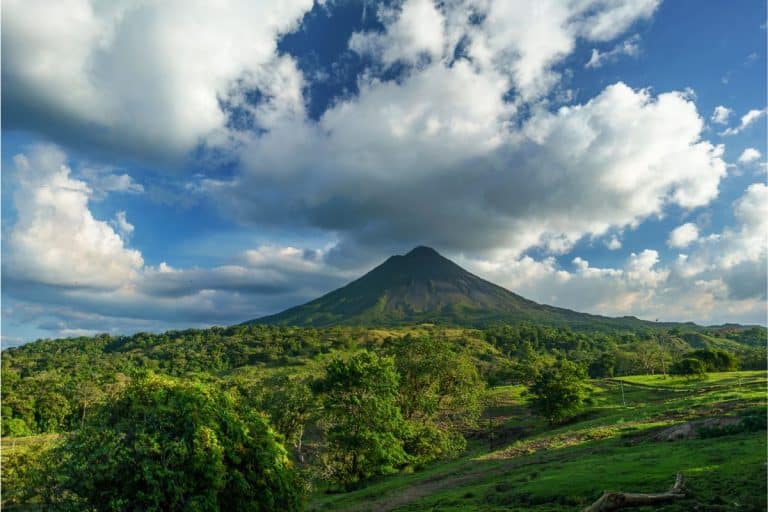
15 Costa Rica Travel Mistakes to Avoid for First-Time Visitors
Want to avoid common Costa Rica travel mistakes? Read this!
Costa Rica is an incredible destination, but there are a few common mistakes that can catch first-time visitors off guard.
Even though it’s a warm-weather country, it’s very different from places like the Caribbean and those differences can impact how you plan your trip.
In this guide, we’ll walk you through some of the most common Costa Rica travel mistakes to avoid. We’ll also share practical tips and a few lesser-known details that can make all the difference in your trip.
Need Help With Planning Your
Trip to Costa Rica?
Planning a trip to Costa Rica can feel a bit overwhelming at first, especially with all the logistics involved. These are a few things we’ve found really helpful when putting a trip together:
🚗 Best Ways to Get Around Costa Rica
- Renting a Car – Find deals and compare car rental rates all in one spot here.
- Shared or Private Transfers – Skip the driving and book a transfers here.
🏨 Explore Hotels in Costa Rica – Compare hotels amenities and prices here.
🌴 Discover Top Experiences & Activities – Book popular tours before they sell out here.
🧳 Travel Insurance – Protect yourself with travel insurance.

A Flair For Travel contains affiliate links and is a member of the Amazon Services LLC Associates program. We may earn a commission from any purchases you choose to make from our links, at no additional cost to you. For more information, please refer to our privacy policy.
Quick Things to Know Before
Visiting Costa Rica
If you’re planning a trip to Costa Rica, you probably have a lot of questions. Let’s start with some basics that a lot of people want to know.
Currency
Costa Rica’s official currency is the colón (CRC), but U.S. dollars and credit cards are widely accepted, especially in tourist-heavy areas.
Honestly, aside from our very first trip to Costa Rica, we’ve never bothered to exchange money and it’s never been an issue.
That said, don’t make the mistake of going completely cashless. You should definitely have a small amount of cash on hand for things like tips, small shops, or more local spots where cards might not be accepted.
Electricity
Costa Rica uses the same Type A and Type B outlets as the U.S., so if you’re traveling from North America, you typically don’t need a plug adapter or converter at all.
If you’re coming from outside the U.S., it’s worth double-checking your devices before you go. But for most travelers from North America, this is one “travel essential” you can probably leave at home.
Internet
In Costa Rica, internet is generally fine at most hotels and in popular tourist areas.
However, once you start heading into more remote regions or staying at eco-lodges, the connection can get spotty or disappear entirely.
It’s not uncommon to hit long stretches of weak signal if you’re driving between destinations.
If you’re doing a self-drive trip, don’t rely completely on live navigation. A simple workaround is downloading offline maps ahead of time so you’re not stuck when you lose service. Apps like Google Maps make this easy and it can save you a lot of stress on the road.
Language
Spanish is the official language of Costa Rica, and while English is widely spoken in hotels and other tourist-focused spots, it’s not guaranteed everywhere.
Once you head into more rural or remote areas, that’s when you’ll notice it’s less common.
That said, in our experience, it’s rarely been a real issue. People are generally patient and helpful, and even a few basic Spanish phrases can go a long way.
Common Costa Rica Travel Mistakes to Avoid
This section is all about the things travelers don’t always expect when they arrive in Costa Rica. They’re not necessarily “problems,” but they can definitely catch you by surprise if you’re not prepared.
Most visitors come in with a pretty general idea of beaches, rainforest, and adventure but some practical realities tend to stand out once you’re there.

Mistake #1: Not Planning for a 4×4 in the Rainy Season
Costa Rica’s rainy season runs from May through November, and during this time road conditions can change quickly, particularly in rainforest and mountain regions.
It’s not uncommon to run into muddy roads, flooding, or sections that are temporarily washed out.
In many areas, especially off the main highways, a 4×4 vehicle makes a noticeable difference in safety and flexibility. It gives you more confidence on steep or unpaved roads and reduces the risk of getting stuck when conditions are wet.
If you’re traveling during the rainy season, it’s a good idea to look for vehicles that can handle rougher road conditions.
If this all sounds like more than you want to take on, you can book transfers between destinations instead. There are shared or private services available. This is a great option to take the stress out of navigating variable road conditions altogether.
Mistake #2: Assuming Every Hotel Will Have Air Conditioning
While many hotels in Costa Rica do offer air conditioning, it’s not guaranteed everywhere, especially outside of larger resorts or more modern properties.
In higher-altitude areas like Monteverde, it’s not always needed since temperatures stay cooler year-round.
You’ll also find some eco-lodges or remote stays that focus more on natural ventilation and open-air design rather than full climate control.
It’s definitely worth checking ahead of time if air conditioning is important to you, especially if you’re traveling during hotter months or staying in lower-elevation coastal areas. Make sure to check room details carefully and filter for it when booking. You can browse hotels and compare options here.
Want to know which hotels offer air conditioning in Monteverde? Check out our full guide.
👉 Where to Stay in Monteverde, Costa Rica: 6 Standout Stays
Mistake #3: Not Driving Defensively
On paper, driving in Costa Rica probably looks like a breeze. They drive on the right-hand side of the road, just like in the U.S., so most people assume it’ll be a piece of cake.
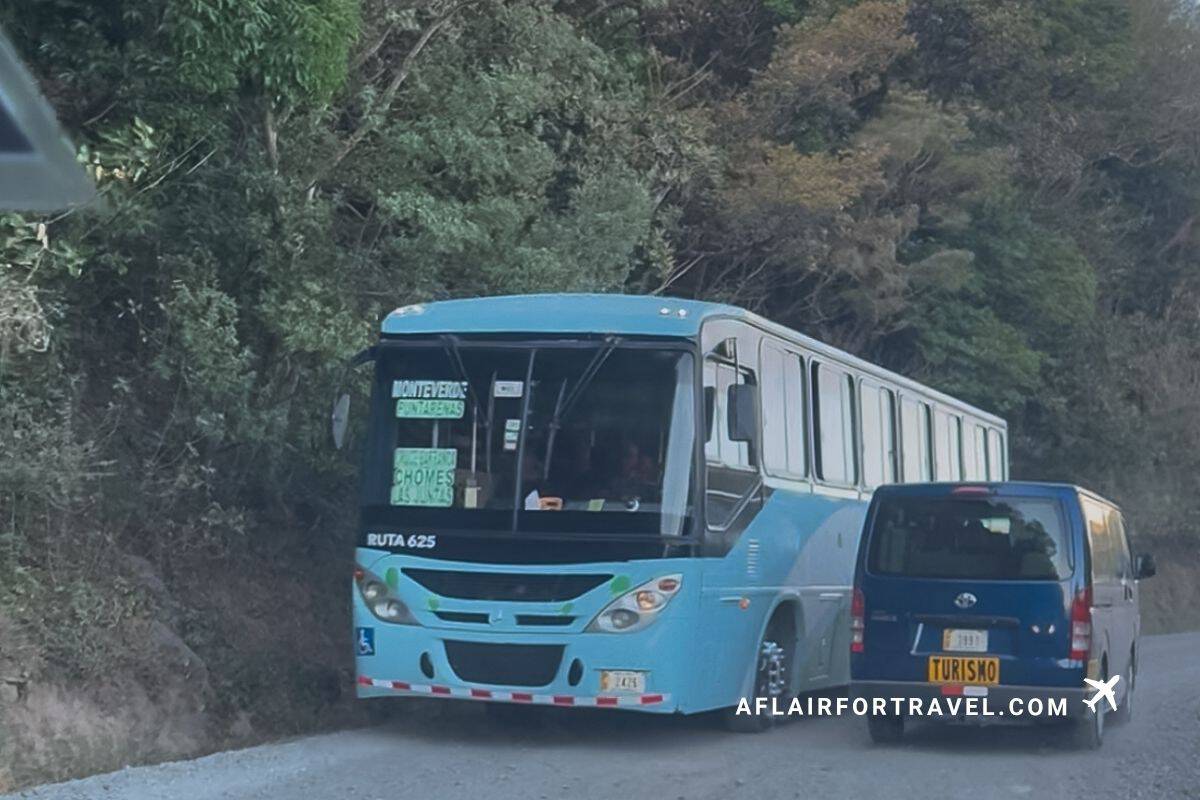
While roads near cities and along the coast are generally straightforward, things change quickly once you head inland. You’ll often run into narrow roads, sharp curves, steep inclines, and stretches that may be unpaved or poorly maintained.
In mountainous areas especially, visibility can be limited around corners, and passing oncoming traffic can require extra caution since roads aren’t always wide enough for two vehicles to comfortably pass.
It’s still very doable to drive in Costa Rica, but it requires more attention and patience than many visitors expect.
If you’re still in the planning stages, we’ve found it helpful to use a platform that shows multiple rental companies in one place.
Read our complete guide for tips on driving in Costa Rica.
👉 Driving in Costa Rica: Essential Tips & Best Transport Alternatives
Mistake #4: Flying Into the “Wrong” Airport for Your Itinerary
Costa Rica actually has two main international airports: one in Liberia (LIR) and one in San José (SJO).
They serve very different regions, and choosing the wrong one can mean starting your trip with a long drive, sometimes 5 to 6 hours or more to reach your first destination.
In general, Liberia is more convenient for the Guanacaste beaches and northwest coast, while San José is better for accessing the central valley, Caribbean coast, and many rainforest and inland destinations.
Before booking, it’s worth mapping out your first stop and matching it to the most logical airport. It’s a small detail that can save you a lot of time and hassle.
It’s also worth comparing prices for transfers for when you get there if you’re not planning a self-drive itinerary.
Discover which Costa Rica airport makes the most sense for your itinerary with our full guide!
👉 How to Choose the Best Airport in Costa Rica
Mistake #5: Not Planning for Costa Rica’s Microclimates

Costa Rica isn’t a one-weather-fits-all destination. The climate can change a lot depending on where you are. The coast, rainforest, and mountain regions all have their own conditions, and sometimes they’re only within a couple of hours of one another.
For example, you might have hot, sunny beach weather on the coast, while a place like Monteverde can feel cool, cloudy, and rainy on the very same day.
If you’re moving between regions, you’ll want to be ready for those shifts in weather rather than expecting consistent conditions throughout your trip.
Find out everything you need to know about Costa Rica’s seasons with our complete guides!
👉 What to Expect During Costa Rica’s Rainy Season
👉 What Costa Rica’s Dry Season is Really Like
👉 Best Time to Visit Costa Rica: The Ultimate Seasonal Travel Guide
Mistake #6: Depending on Street Signs for Navigation
Many streets simply don’t have clear signage, which can make navigation more challenging than expected in Costa Rica.
This tends to be more common in mountainous or rural areas, but you can run into it in cities too. Even when you are using navigation apps, they aren’t always perfectly accurate, which can add to the confusion.
It’s a good idea to build in a little extra time when you’re driving between places, just in case.
Mistake #7: Relying on Domestic Flights for Long Distance Travel
Costa Rica is bigger and more spread out than many travelers expect, so getting between far-flung regions like Guanacaste and Puerto Viejo can take a full day or more by road. Domestic flights can save a lot of time in these cases.
The trade-off is that they’re not always the most flexible option. Flights are typically on small aircraft with limited seats and strict baggage allowances (often around 25 lbs). They can also be fairly expensive.
It’s also worth noting that these flights are highly weather-dependent. Delays and cancellations can happen, especially during rainy conditions.
So while domestic flights can be a great way to maximize your time, you might not want to rely too heavily on them.
Because schedules can change and delays aren’t uncommon, it’s a good idea to build some flexibility into your itinerary.
With that unpredictability in mind, having travel insurance is something we’d strongly recommend for Costa Rica. It can give you a bit of peace of mind if plans shift or unexpected issues come up.

Mistake #8: Expecting “No Wildlife” Indoors
Even in higher-end hotels, it’s fairly common to encounter different types of critters in or around your room.
You may find things like geckos, frogs, or the occasional insect that finds its way inside. We’ve found all of these things and more.
To this day, we still don’t know what made it’s way into one of our rooms. We never actually saw what it was, only heard it. All we know is that it was much larger than a frog or gecko.
For most travelers, it’s more surprising than it is a real issue but it’s definitely something to be aware of so it doesn’t catch you off guard.
Mistake #9: Underestimating Drive Times Between Destinations
This is a very common planning mistake when visiting Costa Rica.
On a map, distances can look short, so it’s easy to assume you can hop between destinations quickly.
In reality, travel times are often much longer due to winding mountain roads, changing terrain, and stretches that may be unpaved or slower to navigate.
Even relatively “short” routes can take 3–4 hours or more, especially when you’re moving between popular regions or heading into rainforest and highland areas.
Because of that, it’s best to start drives early in the day whenever possible. Not only does that give you more flexibility, but it also helps you avoid being on unfamiliar mountain roads after dark where visibility is limited, lighting is minimal, and road signage can be inconsistent or nonexistent.
If you’re leaning towards a self-drive vacation, we recommend comparing options in advance to make sure you’re getting the right vehicle for Costa Rica’s road conditions.
Mistake #10: Relying Only on Google Maps for Navigation
You’ll find that most locals in Costa Rica tend to use Waze for driving because it often provides more up-to-date routing, traffic alerts, and road condition updates than other apps. Many rental car companies will even recommend it for this reason.
While Google Maps can still be helpful (and we used it too), it isn’t always accurate in Costa Rica, especially in rural areas where roads change, are unmarked, or have alternative local routes that aren’t always reflected correctly.
For the smoothest experience, it’s best to use Waze as your primary navigation tool and keep Google Maps as a backup.
Mistake #11: Double-Tipping at Restaurants Without Realizing It
In Costa Rica, a 10% service charge is automatically added to restaurant bills. This is standard practice and is meant to function as the gratuity which is distributed among staff.
Some people may leave an additional large tip without realizing the service charge is already included.
That said, if the service is exceptional, you can absolutely leave a little extra but it’s not expected or required.
Mistake #12: Assuming All Beaches Are Safe for Swimming


Costa Rica is famous for its beautiful coastline, but people often assume that every beach is calm and swimmable.
In reality, many beaches have strong currents, steep drop-offs, or rough surf that can make swimming unsafe, even if they look picture-perfect. This is especially true on certain stretches of the Pacific coast.
It’s important to pay attention to local warnings and conditions before getting in the water. Some beaches are great for surfing or scenic walks but not ideal for swimming at all.
That said, there are still plenty of calm, swimmable beaches. You just have to know which ones to look for.
Mistake #13: Expecting Costa Rica to Be a Budget Destination
A lot of travelers still go in expecting Costa Rica to be a “cheap” destination, but that’s one of the biggest misconceptions.
While it used to be a very affordable destination, prices have steadily increased over the years for accommodations, tours, transportation, and even dining.
Today, peak season pricing (particularly during winter months, holidays, and school vacation weeks) can easily be on par with popular Caribbean destinations.
Even mid-range travel can add up quickly depending on where you stay and what you do.
That doesn’t mean you can’t find good value. You still can, especially in the off-season, but it’s important to budget realistically so you’re not surprised once you arrive.
Want the complete guide for the best time to visit Costa Rica?
👉 Best Time to Visit Costa Rica: The Ultimate Seasonal Travel Guide
Mistake #14: Assuming Beaches Are Private or Hotel-Only
In Costa Rica, all beaches are public by law. That means no hotel or resort can block access to the shoreline, even if they’re located right on the water.
While some properties may feel more secluded or have limited entry points, the actual beach itself is always open to the public.
Mistake #15: Expecting Full Facilities at Every Beach
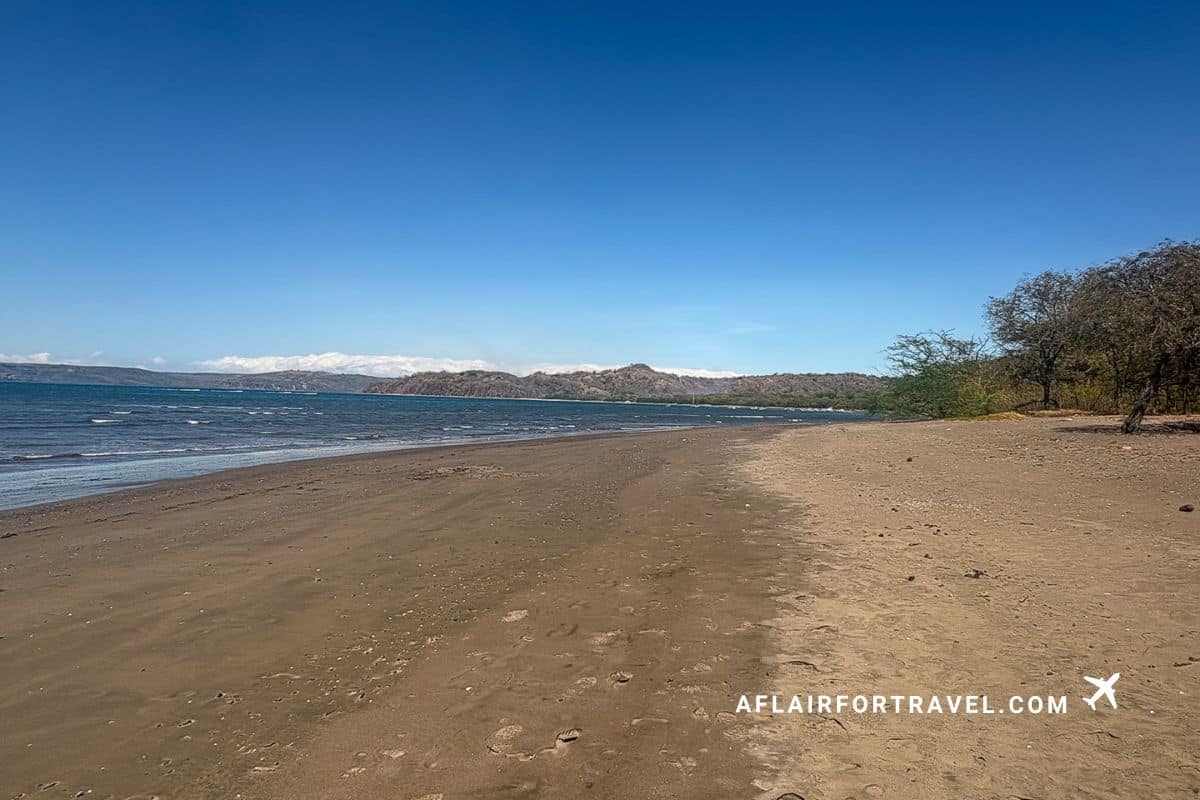
In Costa Rica, many beaches are completely natural and undeveloped, which means you won’t always find things like bathrooms, changing rooms, or even food vendors nearby.
Some of the more popular or tourist-heavy beaches will have limited services, but many others are more of the “bring what you need and leave no trace” type spots.
If you’re planning to spend a full day at the beach, it’s best to come prepared with water, snacks, sunscreen, and anything else you might need because once you’re there, options can be limited.
Answering Your Questions About Costa Rica

Is Costa Rica friendly to Americans?
Yes, Costa Rica is a friendly place for Americans.
Is Costa Rica expensive?
Costa Rica can be expensive. Although you can still find bargains if you travel in the off-season but peak season can be expensive.
Do I need a car to travel around Costa Rica?
While a car offers flexibility, you don’t need one to get around Costa Rica. You can easily book shared shuttles or private transfers between destinations.
More Costa Rica Travel Guides
Planning Guides
- Best Time to Visit Costa Rica: The Ultimate Seasonal Travel Guide
- Costa Rica Airports Guide 2026: Which Airport to Fly Into & Why
- Driving in Costa Rica: Essential Tips & Best Transport Alternatives
- Costa Rica Dry Season: Travel Guide for December to April
- Costa Rica Rainy Season: Travel Guide for May to November
Destination Guides
Food & Experiences
Our Final Take: Costa Rica Travel Mistakes to Avoid
So there you have it, our list of Costa Rica travel mistakes to avoid.
It might seem like a lot at first, but these are exactly the kinds of details that can make your trip feel a lot smoother once you’re there.
And honestly, while a few of these things might feel a little off-putting at first, they’re also part of what makes Costa Rica feel so different and part of why we ended up loving it in the first place.
If you’re someone who doesn’t mind a bit of unpredictability and has a bit of an adventurous spirit, you’ll probably love it too.
If you have any questions while planning your trip, feel free to reach out!
Talk soon!