Explore
Costa Rica
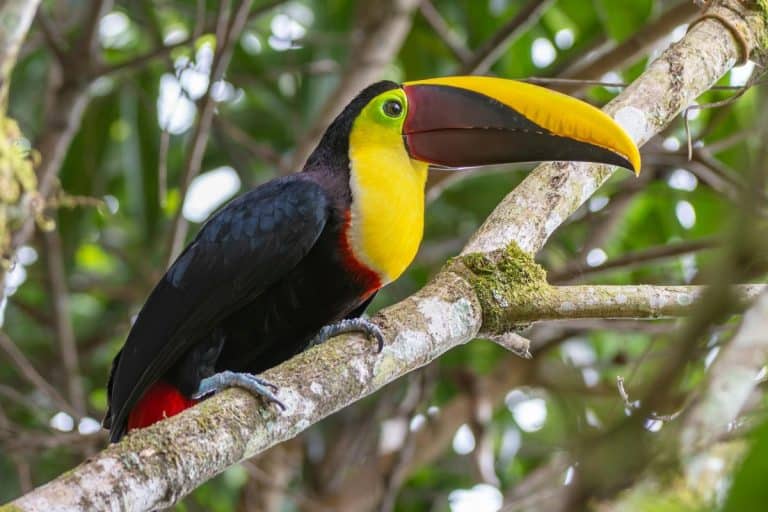
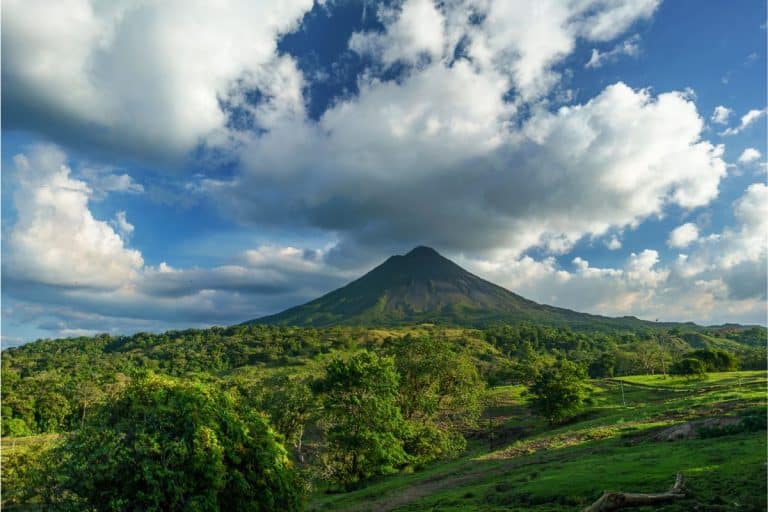
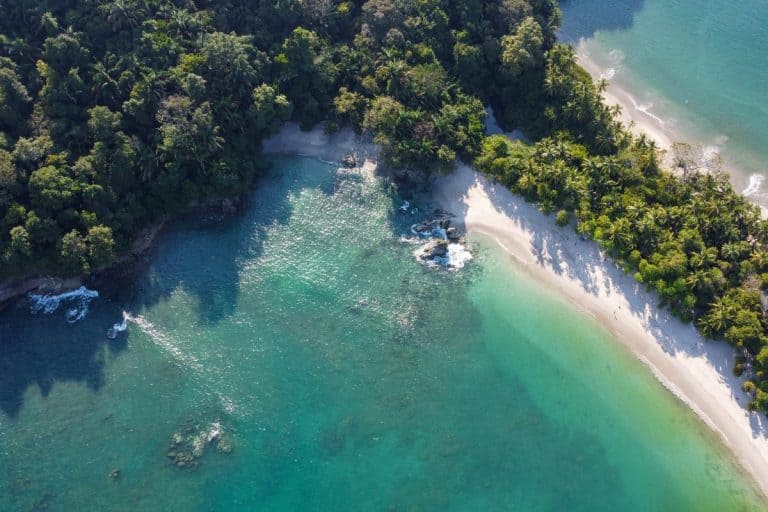
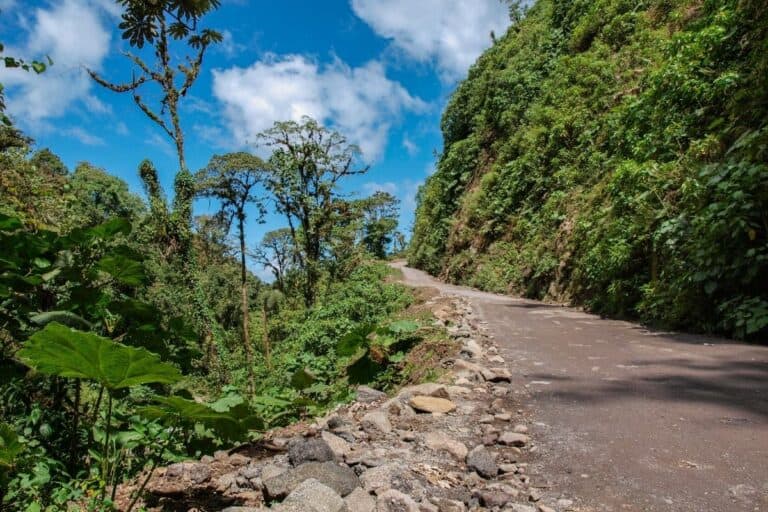
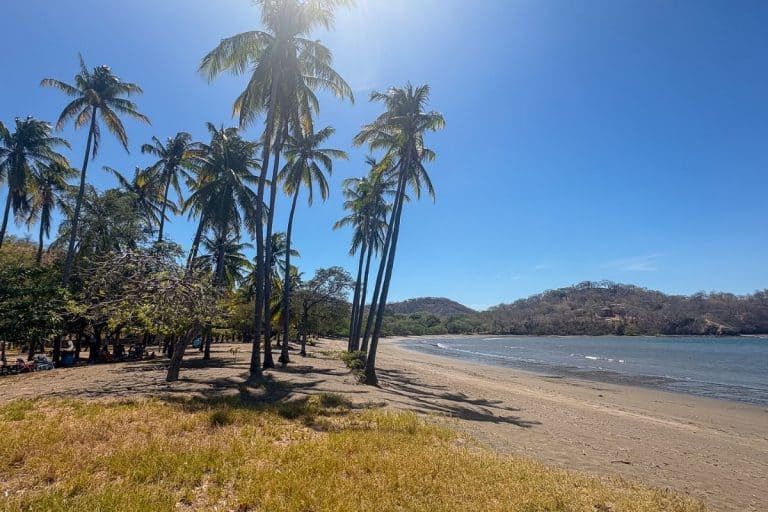
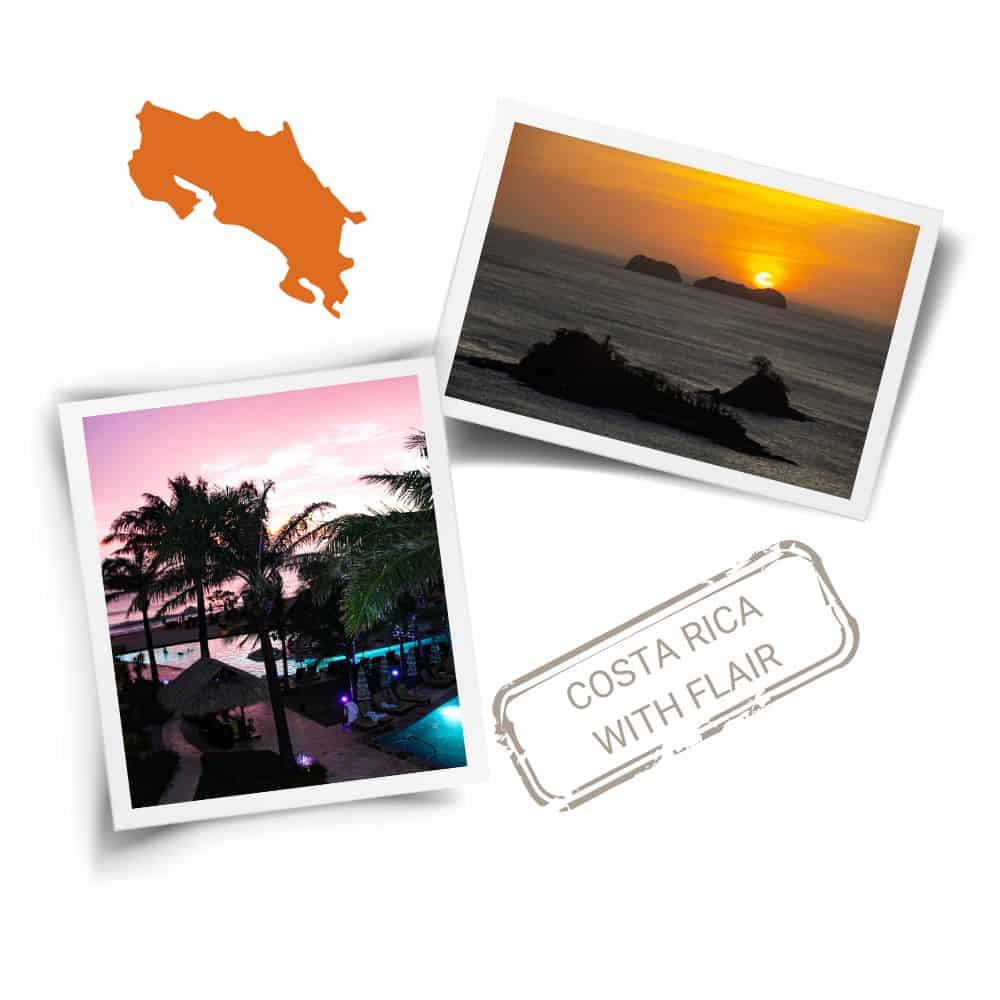
Costa Rica is a tropical paradise known for its lush rainforests, stunning beaches, and amazing wildlife. It’s the perfect destination for adventure and nature lovers, offering everything from zip-lining and surfing to peaceful hikes and eco-lodges.

Las Catalinas
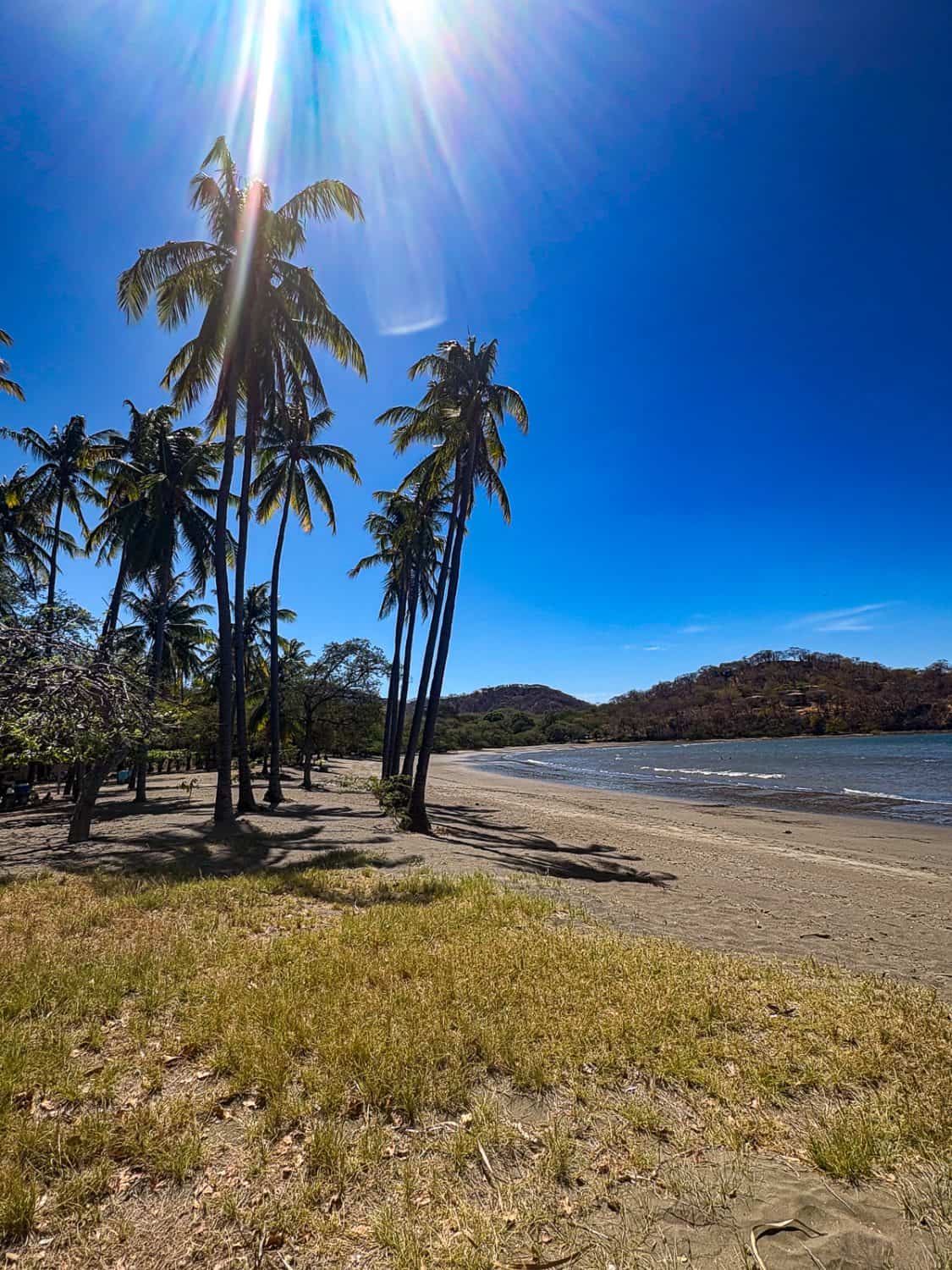
Playa Hermosa
Language:
The official language of Costa Rica is Spanish but English is widely spoken.
Currency:
The currency of Costa Rica is the Colón however the U.S. dollar is widely accepted.
Weather:
Costa Rica has a warm, tropical climate with a dry season from December to April and a rainy season from May to November. Coastal areas are hot, while highlands are cooler. For more information about the best time to visit Costa Rica, click here.
Electricity:
Costa Rica uses 120 volts (V) at 60 Hertz with type A and B outlets. This is the same as the U.S. so an adapter or converter isn’t necessary. All your devices should be fully compatible with the Costa Rican outlets.
ATMs/Credit Cards:
You’ll find ATMs available in all the major tourist areas of Costa Rica. Credit cards are widely accepted by most businesses. There may be some businesses in smaller towns that don’t accept credit cards so be sure to have some cash on-hand.
Tipping:
Most restaurants in Costa Rica automatically add a 10% service charge to the bill. You’re able to leave an additional tip for excellent service.
At a Glance
Our Experience In Costa Rica
Most people that travel extensively, have their favorite destinations that keep pulling them back time and time again. Costa Rica is one of those places for us.
From the long stretches of beaches and fantastic food to the endless outdoor activities and friendly locals, there isn’t anything we don’t love about Costa Rica.
We’ve been visiting Costa Rica since well before it became a staple warm-weather destination for visitors from the U.S. looking to escape the harsh winter months.
From the minute we landed, it pulled us in with it’s ability to mold to whatever kind of destination you need it to be whether it’s a relaxing beach destination or a getaway filled with nonstop adventure.
Why You Should Visit
Costa Rica As A Vacation Destination
Costa Rica is located in Central America sandwiched between Nicaragua to the north and Panama to the south.
Before it became a hotspot for tourists, it was thought that the Caribbean coast would be the main draw. However, it’s actually the Pacific coast that has become the main beach destination for families, honeymooners and anyone looking for a tropical getaway.
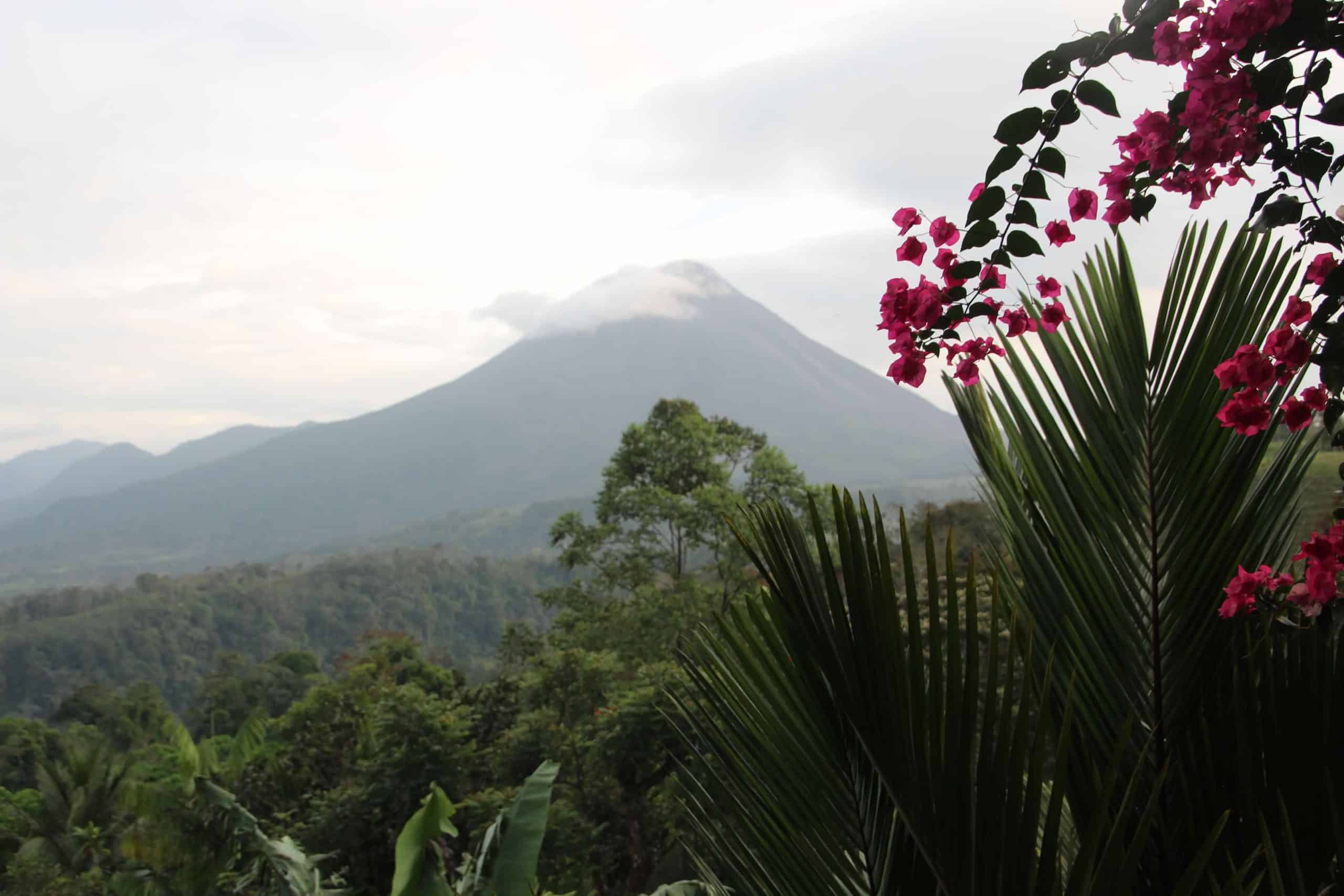
The beauty doesn’t stop at the beaches though. Travel inland and you’ll be rewarded with lush, green rainforests, calm lakes, steaming hot springs and amazing wildlife.
One of our favorite things about Costa Rica is the stark contrast between different locations. Each one feels like a separate vacation.
If you’re looking for a relaxing tropical getaway, a week of adventure or a combination of both, Costa Rica is the perfect destination for you.



Know Before You Go
Best Time To Visit
The best time to visit Costa Rica is during the dry season, from mid-December to April, when the weather is sunny and ideal for beaches, hiking, and outdoor activities.
This is also the busiest and most expensive time, especially around Christmas, New Year’s, Easter and the spring break period.
The rainy or “green” season runs from May to November. It brings lusher landscapes, fewer crowds, and lower prices. Rain will usually fall in the afternoons, with May, June, and November offering a good balance of sun and savings.
The Caribbean coast has a different pattern than the rest of the country. September and October are actually the driest months there, making them perfect for visiting places like Tortuguero or Puerto Viejo.
Wildlife sightings, like sea turtles and whales, vary by region and season, and surfing is great year-round depending on the coast. Overall, the best time depends on your interests, weather preferences, and budget.
If you’d like to read more about the best time to visit Costa Rica, check out our detailed post here.
Weather In Costa Rica
Average Temperature & Rain
The chart below will give you a general idea of what to expect for weather during any given month.
Temperatures and rainfall will vary considerably depending on the location.
The Pacific coast is typically dryer and warmer than the mountainous areas located further inland.
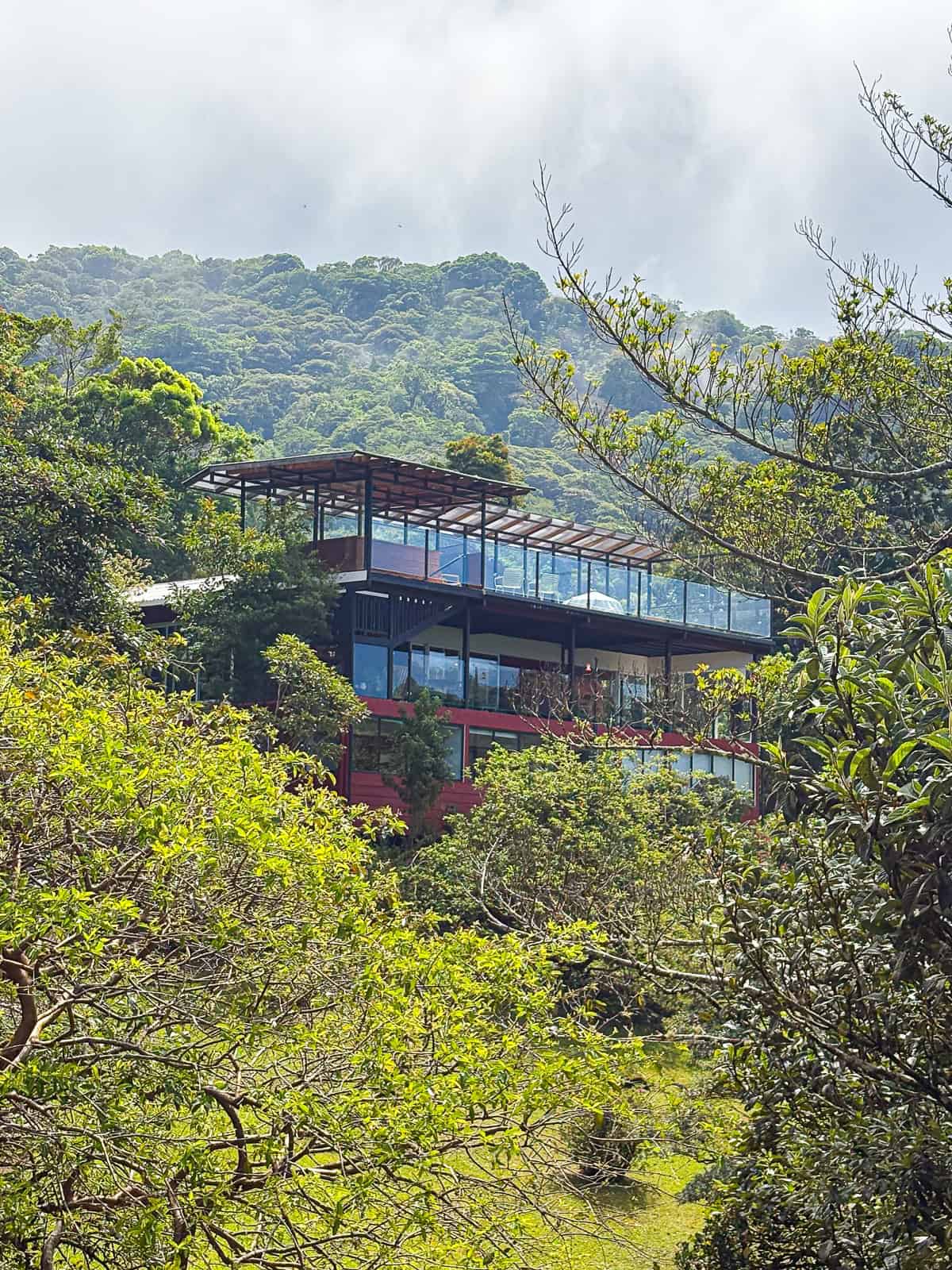
The cloud forest region can experience much lower temperatures, more rain and higher winds any time of year.
|
MONTH |
AVERAGE |
AVERAGE |
|---|---|---|
|
JANUARY |
64°F (18°C)-81°F (27°C) |
4.4 inches (112mm) |
|
FEBRUARY |
64°F (18°C)-82°F (28°C) |
2.9 inches (73 mm) |
|
MARCH |
66°F (19°C)-84°F (29°C) |
2.8 inches (72mm) |
|
APRIL |
68°F (20°C)-86°F (30°C) |
5 inches (126mm) |
|
MAY |
68°F (20°C)-84°F (29°C) |
11.6 inches (294mm) |
|
JUNE |
66°F (19°C) to 82°F (28°C) |
13.9 inches (329mm) |
|
JULY |
66°F (19°C) to 82°F (28°C) |
12.7 inches (322mm) |
|
AUGUST |
66°F (19°C) to 82°F (28°C) |
13.4 inches (340mm) |
|
SEPTEMBER |
66°F (19°C) to 81°F (27°C) |
14.5 inches (369mm) |
|
OCTOBER |
64°F (18°C)-81°F (27°C) |
16.5 inches (418mm) |
|
NOVEMBER |
64°F (18°C)-79°F (26°C) |
10.8 inches (274mm) |
|
DECEMBER |
64°F (18°C)-79°F (26°C) |
6.9 inches (176mm) |