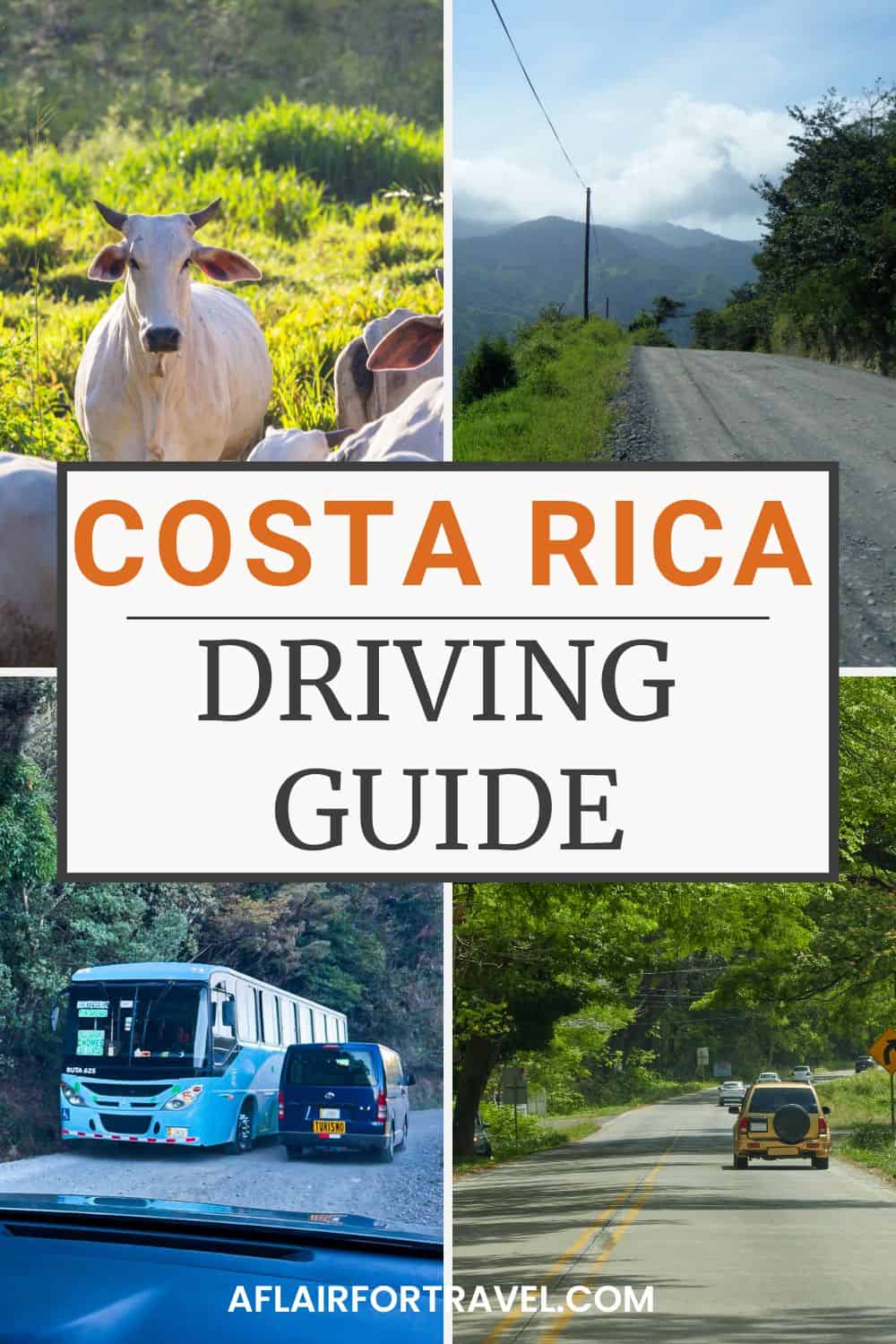
Driving in Costa Rica: 15 Things to Know Before You Rent a Car
Thinking of driving in Costa Rica?
Driving in Costa Rica is one of our favorite ways to explore the country because it lets us travel at our own pace. It also gives us the freedom to visit off-the-beaten-track locations, stop whenever we want, and discover places that many tourists never see.
That said, driving there is always an adventure. We never have the same experience twice. Between mountain roads, potholes, tropical downpours, and occasional road closures, it’s definitely not for the faint of heart.
The good news? With a little preparation, driving in Costa Rica can be a safe and fun experience. However, it’s important to know what to expect before you get behind the wheel.
In this guide, we’ll walk you through our list of things everyone should know before renting a car in Costa Rica. By the end, you’ll know exactly what to expect once you hit the road.
A Flair For Travel contains affiliate links and is a member of the Amazon Services LLC Associates program. We may earn a commission from any purchases you choose to make from our links, at no additional cost to you. For more information, please refer to our privacy policy.
Planning to Drive Costa Rica’s Roads?
Compare 4×4 options and insurance coverage before you go
Compare Rental Options Here
What to Know Before Renting a Car
Costa Rica is a great country to explore by car. Whether you want to hop from one beach town to another or explore further inland, there are so many amazing places to discover.
However, before signing on the dotted line of that rental agreement, there are a few things you should know about insurance, driving conditions, and safety.
Let’s get started!
1. Your Rental Car Probably Won’t Be at the Airport
Both the Juan Santamaría International Airport (SJO) and Liberia International Airport (LIR)
have rental car desks on-site. However, that doesn’t mean your car will be there.
Usually what happens is that you’ll need to check in at the airport desk, and then you’ll be taken by shuttle to the off-site rental office. It’s usually a quick 5 to 10-minute ride. This is where you’ll sign the contract and get your car.
It’s definitely not a quick process since multiple people arrive at the rental office at the same time. Make sure you account for this additional time in your schedule once you arrive.
Many of the major car rental companies can be found at both international airports including Hertz, Alamo, Dollar, Thrifty, Sixt and Budget.
Be sure to check pricing at all of them, because it can vary significantly from one to the other.
Flying into San José? → Compare rental car prices at SJO
Flying into Liberia? → Compare rental car prices at LIR
2. There’s Usually an Age Requirement
Like most countries, you usually need to be at least 21 years old to rent a car in Costa Rica.
However, there are rental companies that require you to be older than 21. You’ll need to check with the individual car companies to see what their requirements are.
Some rental companies may charge an additional fee for driver’s under a certain age. This is pretty standard in any country.
3. Liability Insurance is Mandatory
Liability Protection Insurance is a additional mandatory fee when renting a car in Costa Rica. This is usually billed as a daily fee along with the standard rental fee.
This insurance will give you limited liability protection coverage for damages and injuries if there are any incidents involving a third party.
Since each rental car company has their own policy regarding insurance coverage, be sure to fully understand the requirements prior to signing the agreement.
Make sure to ask the car rental agent to explain anything you don’t completely understand before signing the rental agreement.

4. You’ll Need to Decide on Loss and Damage Coverage
Loss and Damage Coverage is usually referred to as LDW. You can either purchase this from the rental company as standard or extended coverage, but you may also be able to use the coverage provided by your credit card company.
If you plan to decline the rental company’s LDW coverage, be sure the credit card you use does, in fact, offer coverage.
Pro Tip:
If you use your credit card LDW, and you’re involved in an accident, you will most likely need to pay for all damages up-front before leaving the country. You would then need to file a claim with your credit card company to recoup your money.
5. You Probably Don’t Need an International Driver’s License
An International Driving Permit (IDP) isn’t required to rent a car in Costa Rica unless your license is not in the Latin Alphabet. This means if you’re visiting from the United States, you don’t need one.
That being said, we always travel with one. I don’t know why. It’s easy to get and doesn’t cost much, so why not?
You will need to bring your regular driver’s license with you though, and it needs to be valid for the length of your stay.
If you’d like to get an IDP, be sure to go through the American Automobile Association (AAA). They’re the only authorized issuer of IDPs. You can obtain one in person or by mail for a fee.
6. Road Conditions Vary by Location
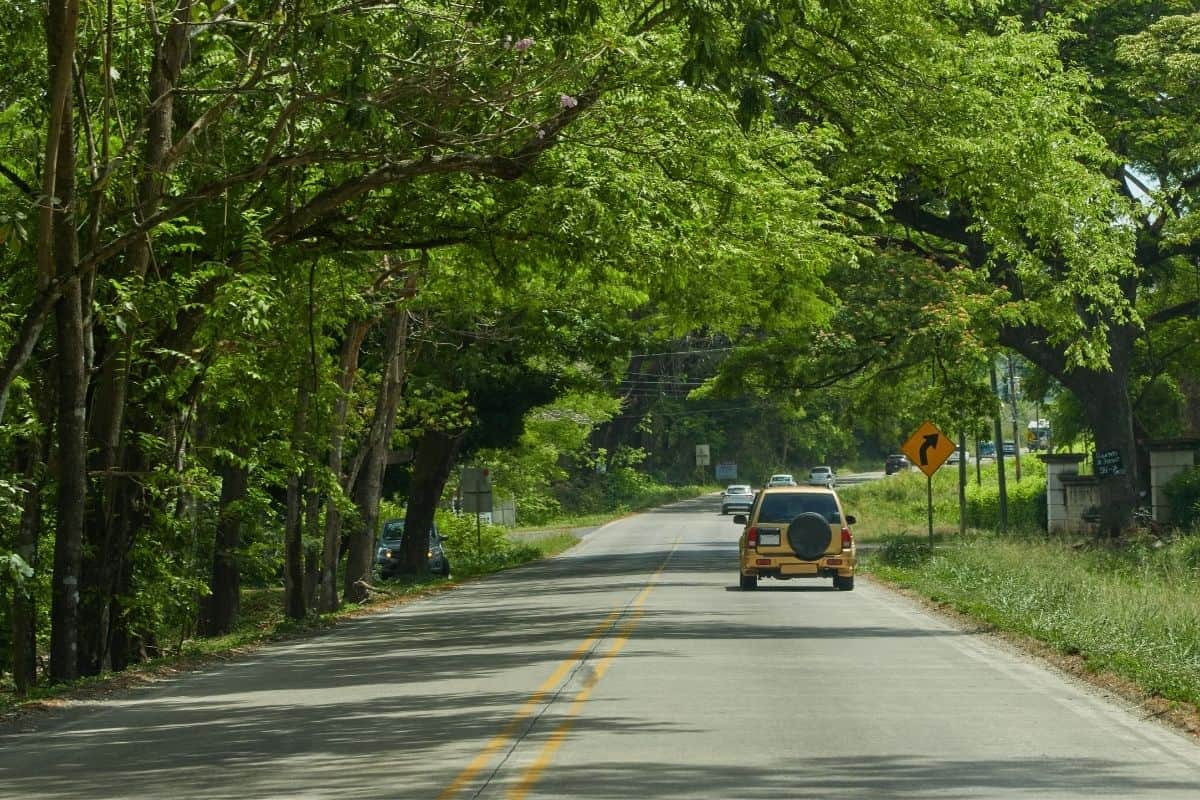
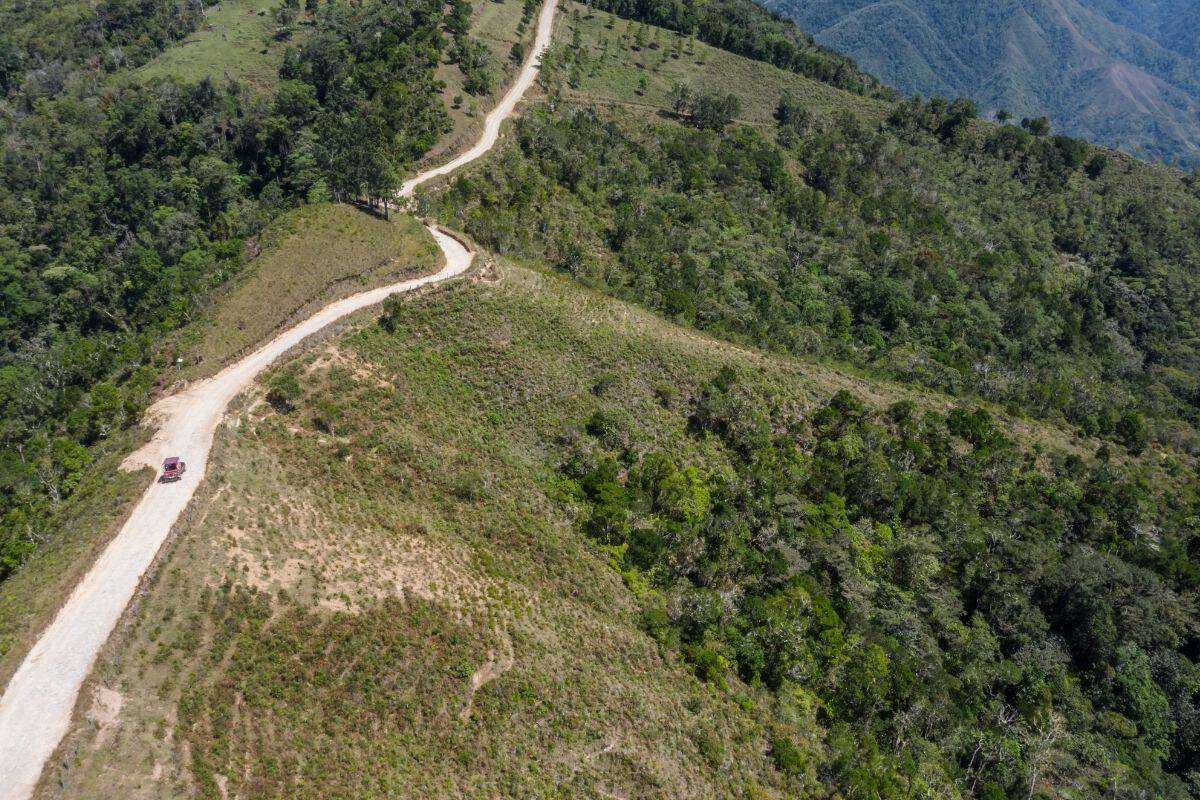
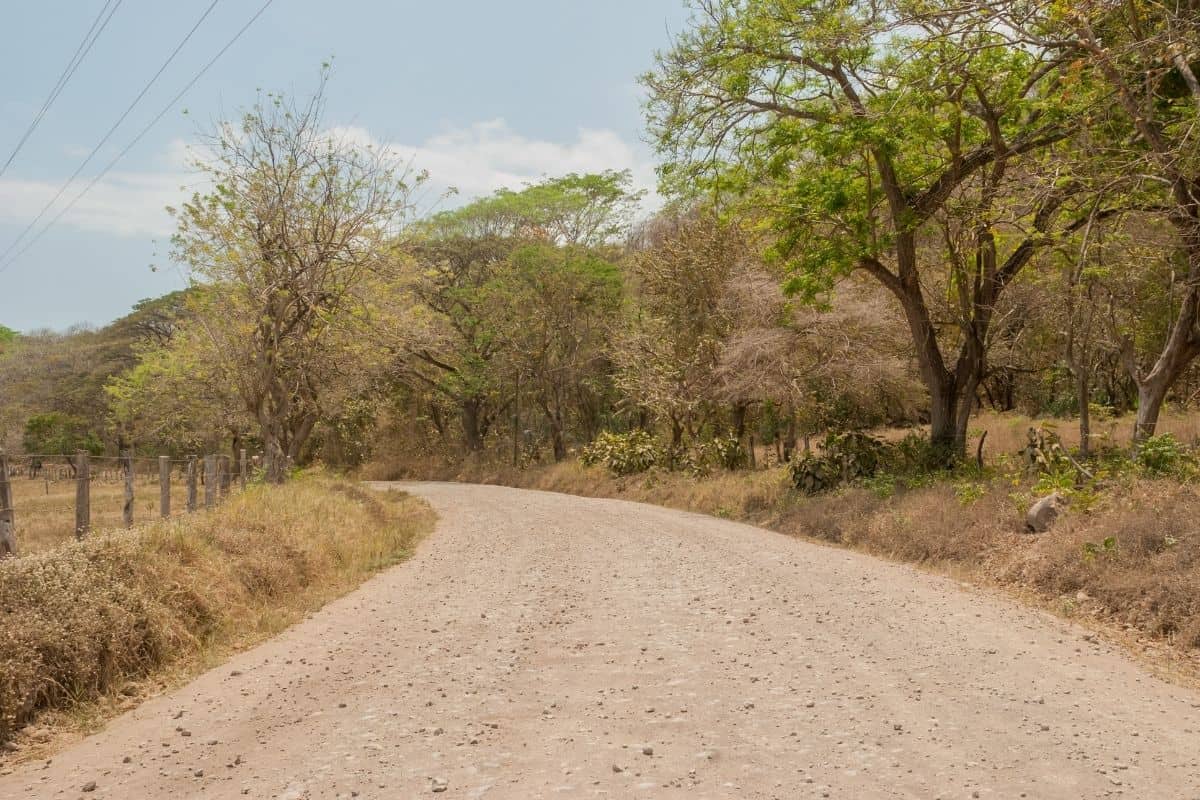
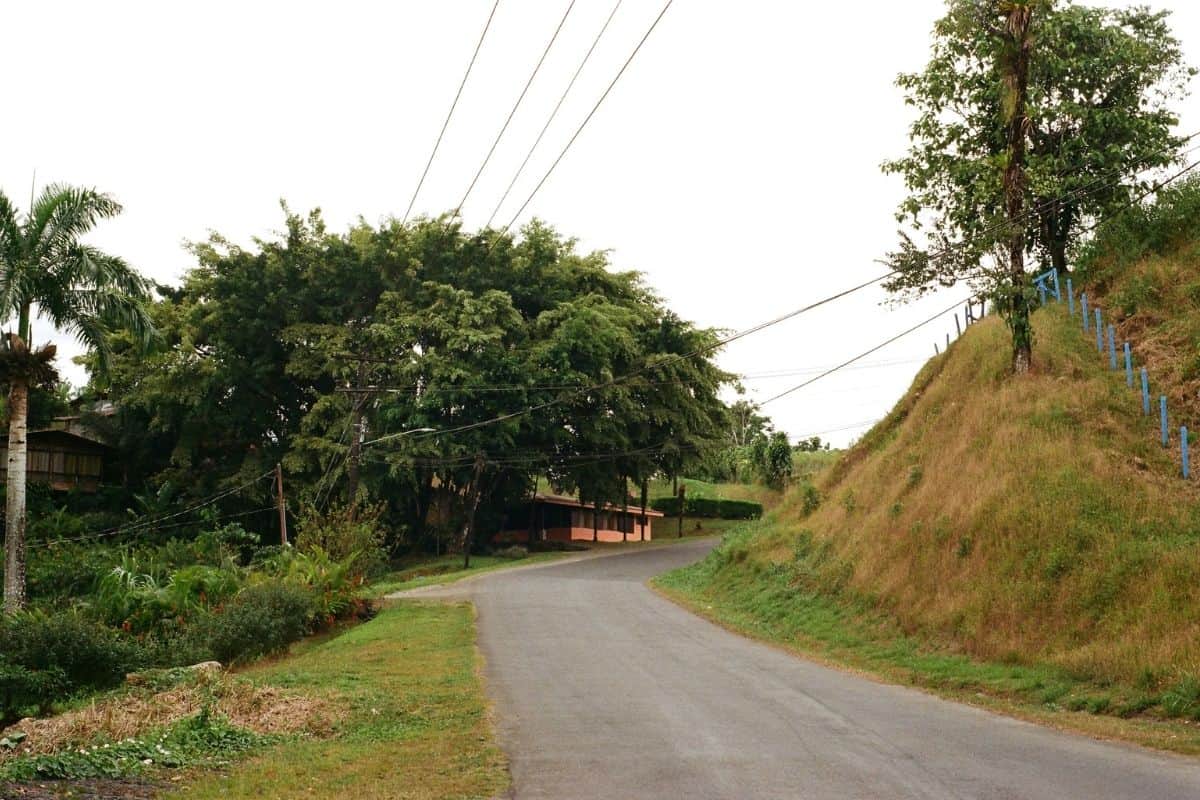
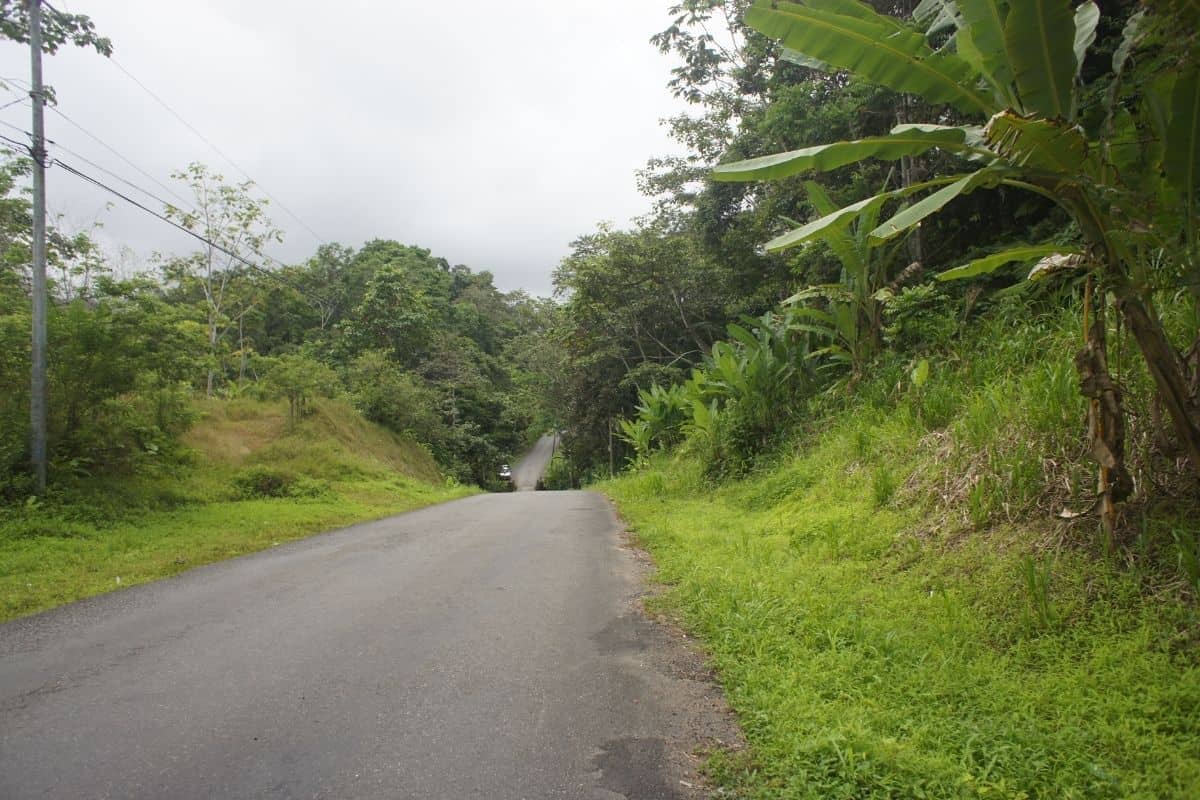
The only consistent thing about roads in Costa Rica is that they’re inconsistent. You’ll find that the roads around the more populated areas tend to be mostly paved. Unfortunately, as you head further inland, dirt and gravel roads are more common.
However, even if you come across some unpaved roads, it’s not something you need to be overly concerned about. You just need to take things a bit more slow.
For example, we’ve stayed at the JW Marriott Guanacaste a few times, and one of the roads to the hotel is dirt and gravel.
It’s not really an issue, but you really can’t go more than 25 mph (40 kph). It definitely adds to the drive time.

7. Road Closures Happen, Especially in Rainy Season
It’s not uncommon to come across road closures in Costa Rica, especially during the rainy season. Sometimes it’s due to flooding, and sometimes portions of a mountain road get completely washed out.
On one of our very first visits to Costa Rica, a road between Liberia Airport and La Fortuna was washed out due to heavy rains. This happened to be in July which falls during the rainy season.
Luckily, we had opted for private transfers for this particular trip. Our driver was aware of the closure so he knew he needed to take a different route. It was a little longer, but not much.
If we had rented a car, we probably would’ve had to backtrack, which could’ve added another hour or so to the drive.
We would’ve been driving around on those narrow mountain roads in the dark, which definitely wouldn’t have been ideal.
Check out our airport and seasonal Costa Rica planning guides you might find helpful:
→ Costa Rica Airports Guide 2026: Which Airport to Fly Into & Why
→Costa Rica Rainy Season: Travel Guide for May to November
→Costa Rica Dry Season: Travel Guide for December to April
8. Road Signs Aren’t Always the Norm
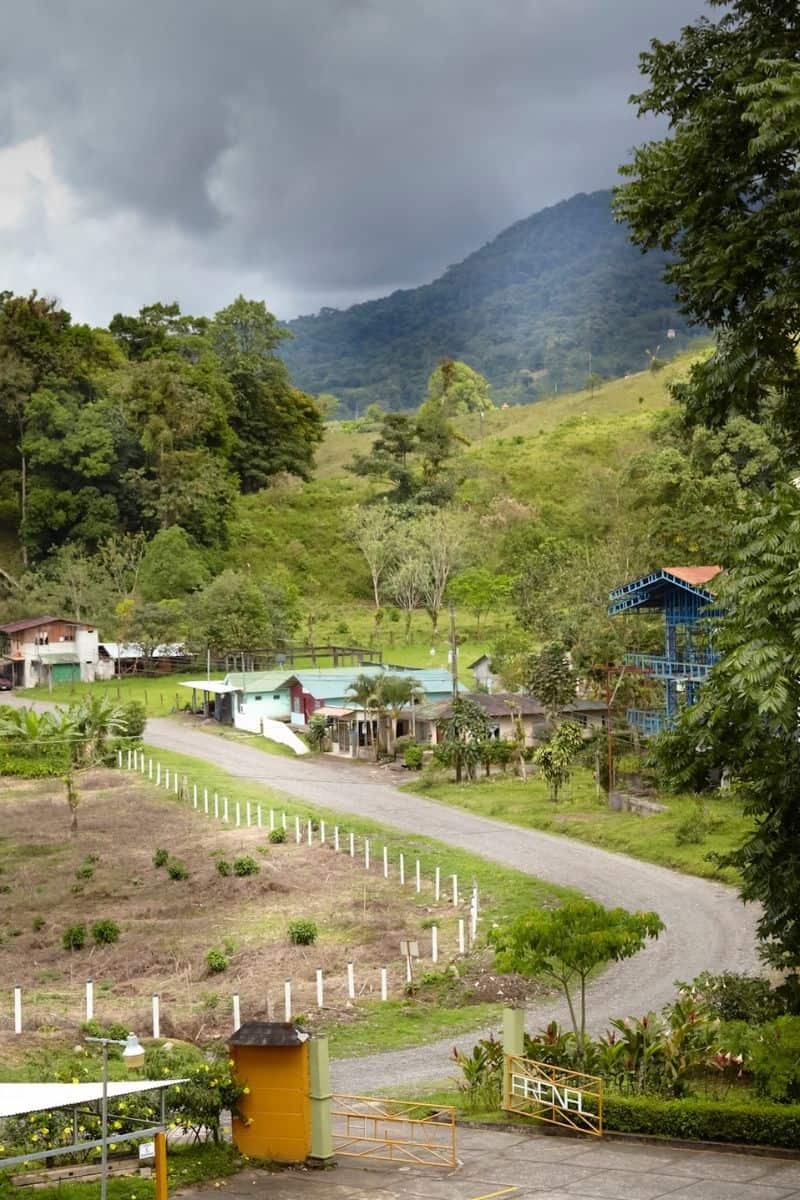
As if driving in Costa Rica isn’t challenging enough, another thing to be aware of is that many roads don’t have road signs. This is true regardless of where you go.
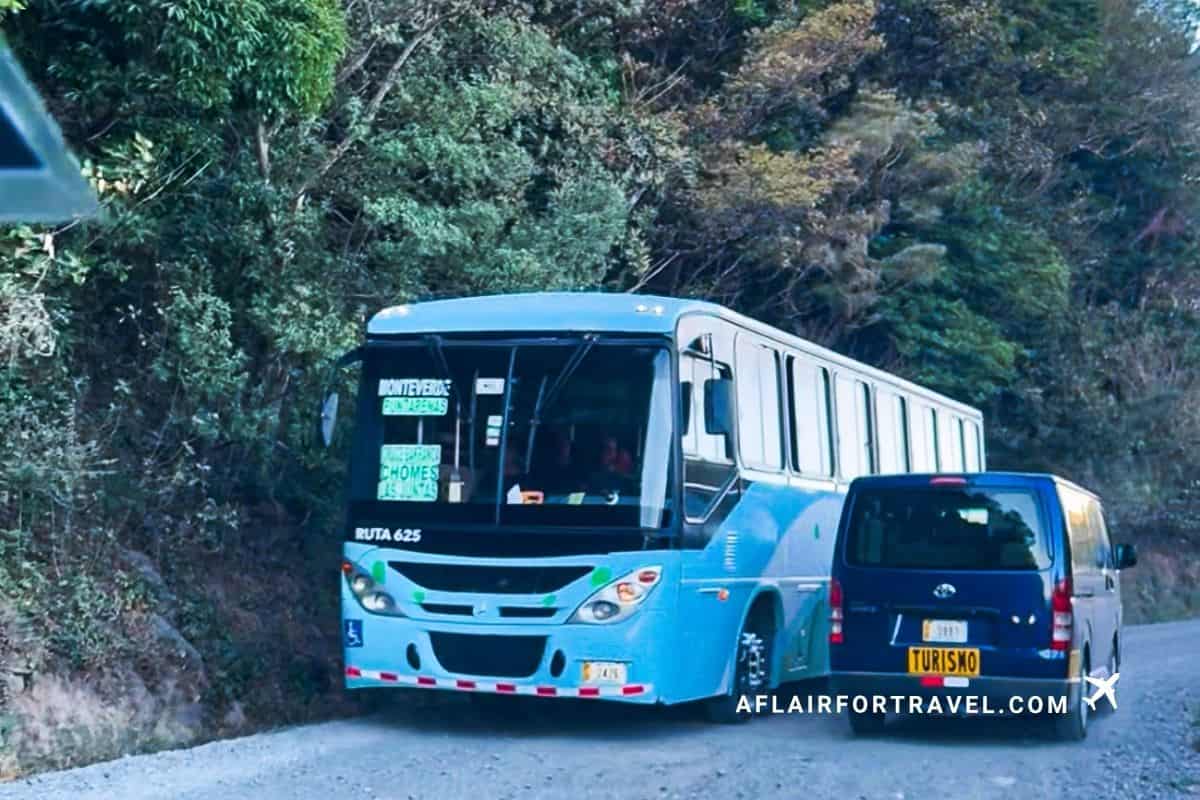
We find it to be more of an issue when we’re driving further inland. Many of the mountain roads are very narrow and some look more like paths as opposed to a road.
There have been many times when we questioned whether we were on a road or in someone’s driveway.
In the end, we always make it to our destination, but we always make sure to allow a little extra time in case we get lost. Although, this isn’t reserved solely for Costa Rica. We have a tendency to get lost everywhere we go.
9. You Might Want to Consider a 4×4
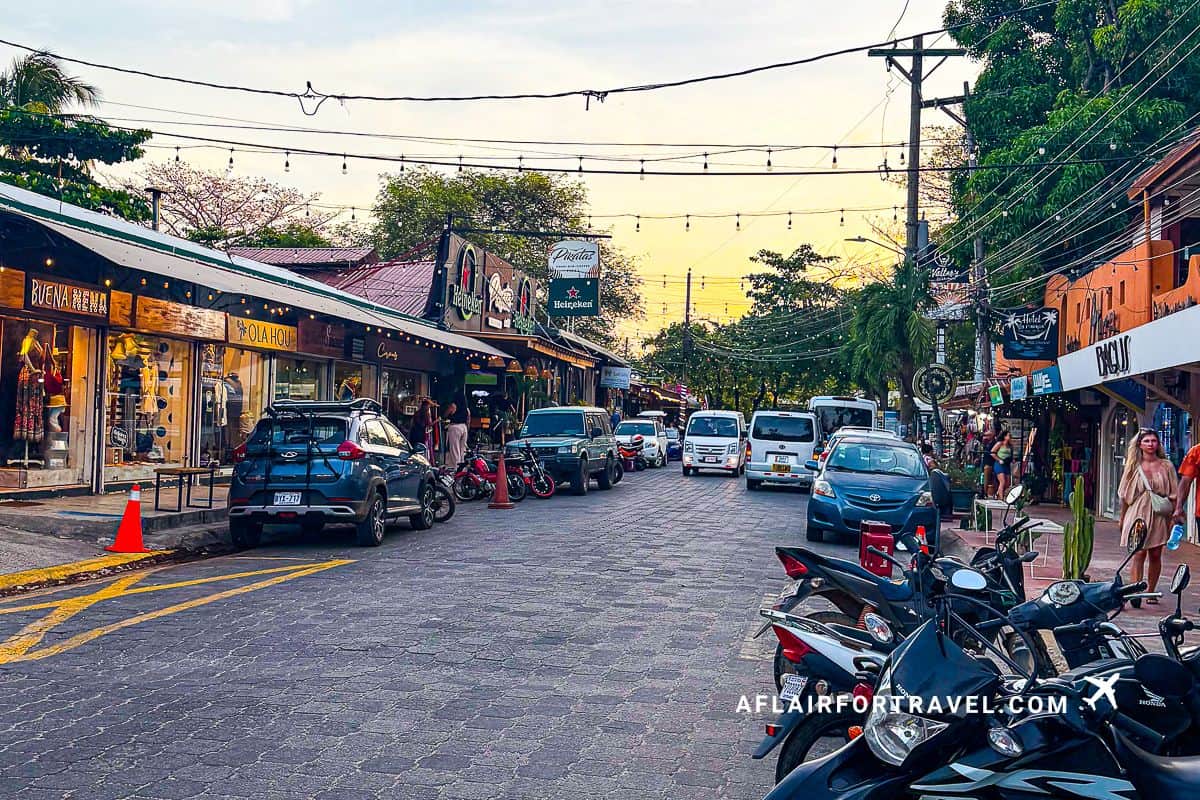
If you decide you want to rent a car in Costa Rica, it’s always a good idea to rent a 4×4, especially if you’re traveling to some of the more mountainous areas.
If you’re staying in any of the beach resort areas or near larger cities or towns, a 4×4 might not be necessary. The roads in and around these areas are mostly paved and easy to navigate.
However, if you plan to head inland to places like Arenal or Monteverde, you should definitely consider renting a 4×4.
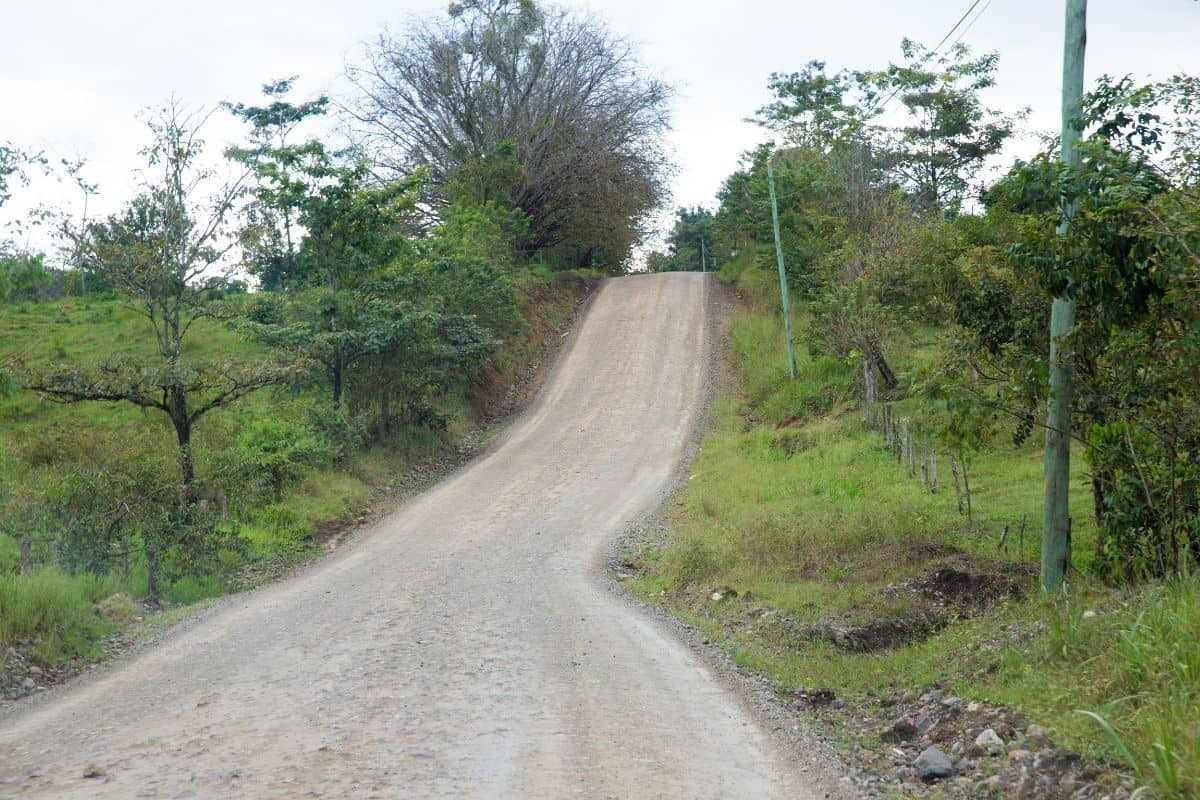
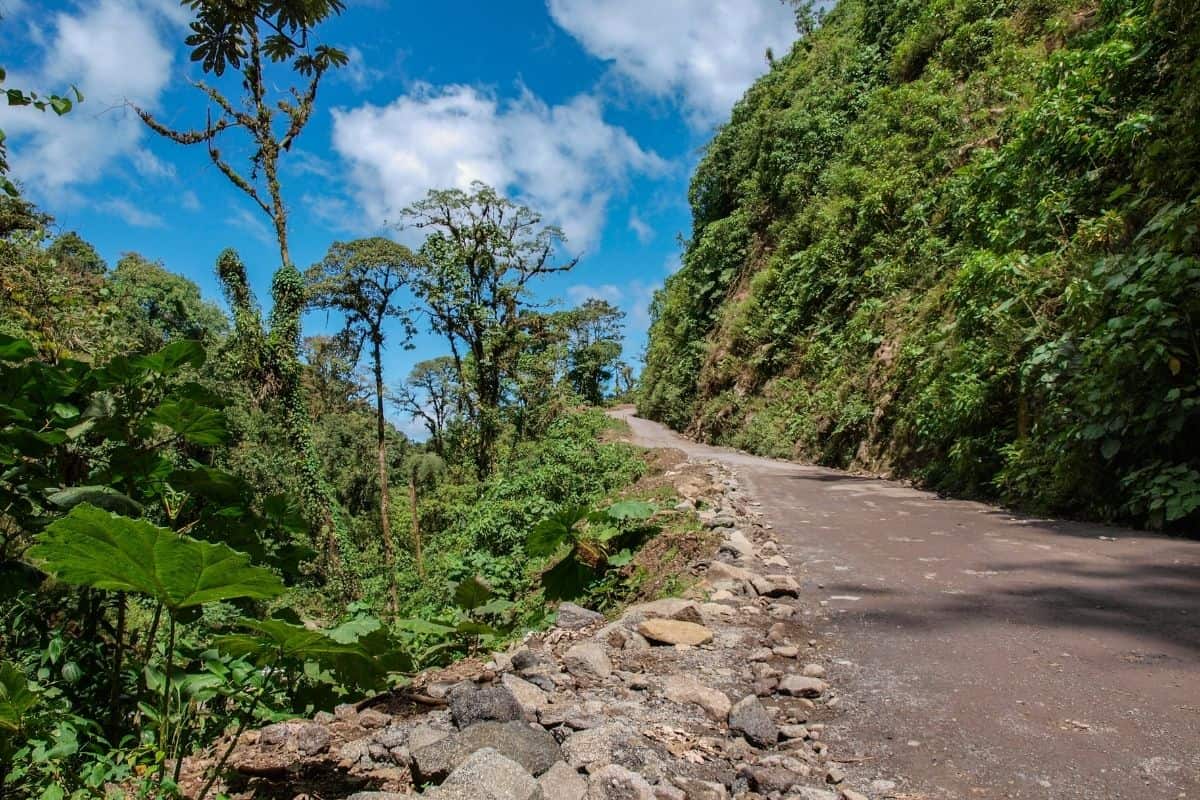
Many roads in these areas are dirt and gravel which can be difficult to navigate, especially in the rainy season. You may also come across very steep hills which are better suited for a 4×4.

10. You’ll Need to Watch for Common Road Hazards
Driving in Costa Rica will definitely challenge your driving skills on many levels. In addition to different road conditions and the lack of road signs, you’ll also need to prepare yourself for some common road hazards.
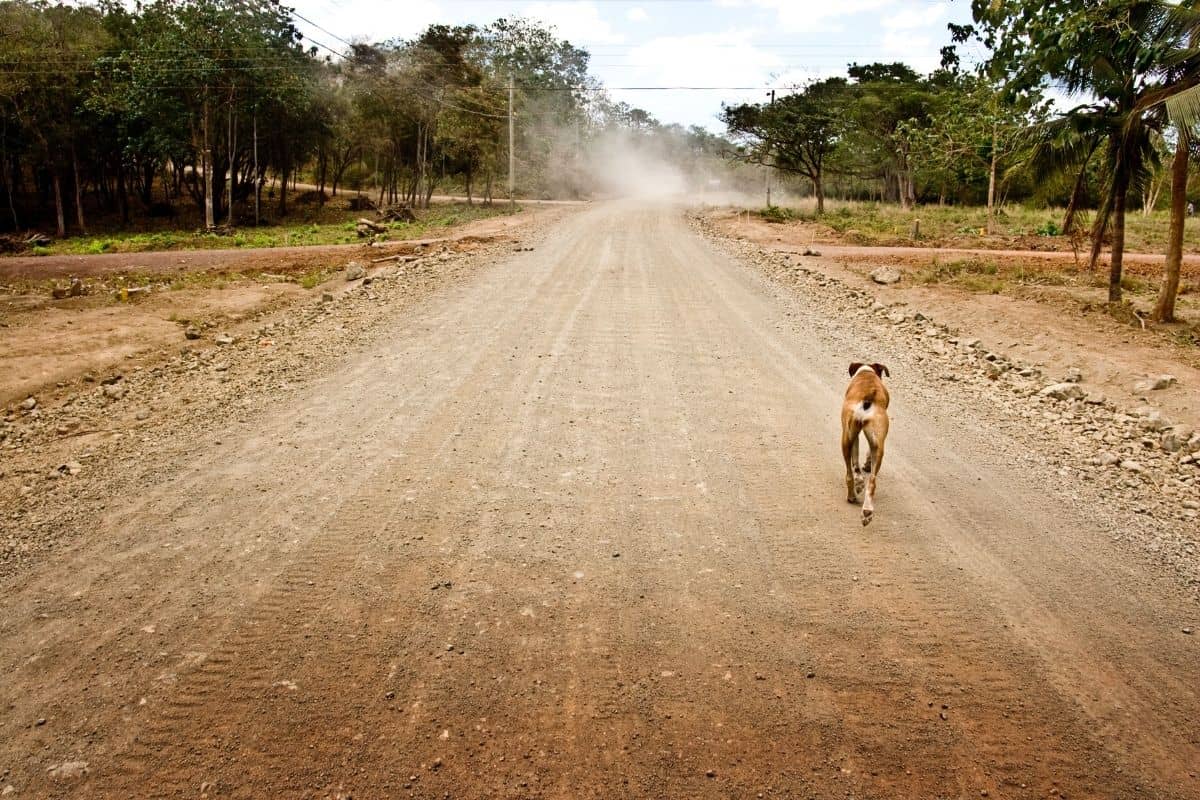
→ Unpaved Roads – We’ve already mentioned this but it’s worth mentioning again. You’ll come across many unpaved roads, especially further inland or in more remote areas.
→ Potholes – There are a lot of potholes, not only on paved roads but unpaved ones as well. Be very careful when driving over them because they can be deeper than you realize and may cause significant damage to the car.
→ Animals – It’s very common to come across animals in the road. We’ve seen cows, chickens, horses, and more. Be sure to use extra caution when passing, especially on the more narrow roads.
→ Weather-Related Hazards – The weather can wreak havoc on the roads in Costa Rica, big time. We’ve come across mudslides, flooding, and complete washouts, which are common, especially in the rainy season.
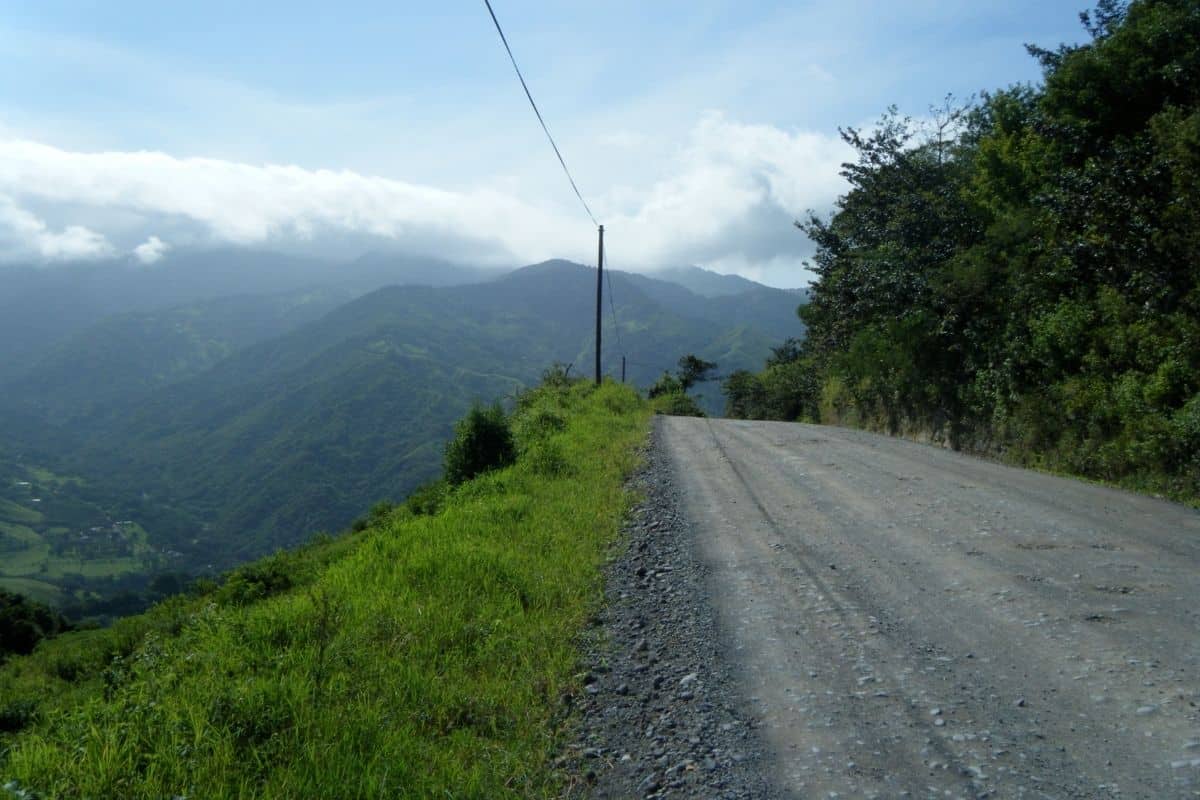
→ Narrow Roads – Some roads can be very narrow in spots, especially in the inland areas. It might not sound like a big deal, but if you’re on a mountain road with a truck coming at you and nothing between your car and the steep drop-off next to you, it can be a little unnerving.
11. Most Car Rentals Have Manual Transmissions
Manual transmissions are not as common in the U.S. as they once were, but you’ll find that they are the norm in Costa Rica. Automatics are available, but they tend to be more expensive than the manual option.
If you absolutely need an automatic, we recommend booking your rental well in advance. These tend to sell out, especially during the peak tourist season and over holiday breaks.
12. You’ll Want GPS, Google Maps, or Waze
If you rent a car in Costa Rica, you’ll definitely want some kind of navigational assistance. We usually use a mix of all three, but Waze is what we use and what most rental agents will typically suggest.
It’s the most popular navigation app in the country, even with locals, because it provides updates on traffic, accidents, police and road closures in real-time.
The catch is that it needs an internet connection, which can be spotty in rural or mountainous areas. We’ve also found that it drains our phone battery pretty fast.
Google Maps is a solid backup because it’s accurate, gives turn-by-turn voice directions, and lets you download offline maps before you head into remote areas. The negative side is that it isn’t always updated for temporary closures.
A standalone GPS unit will work without internet at all, but the units are often outdated and can run $10–15/day to rent.
Best Practices For Navigation in Costa Rica
- Use Waze or Google Maps with mobile data in cities and well-connected areas.
- Download offline maps on Google Maps as a backup before hitting rural roads.
- Consider carrying a physical map or taking screenshots of routes in case of signal loss.
- If renting a GPS, treat it as a backup. It shouldn’t be your only source of navigation.
13. You Should Avoid Driving at Night
Night driving can be extremely difficult in Costa Rica, especially in the mountainous areas. Many roads aren’t lit, and combined with the lack of street signs, makes navigating roads even more difficult.
This is because some of the mountain roads don’t have any barriers along the side, so there’s very little separating your car from the steep drop-offs.
We highly recommend that you plan your schedule so you’re only driving during the day. It will make things much less stressful.
14. Be Cautious in Rural Areas
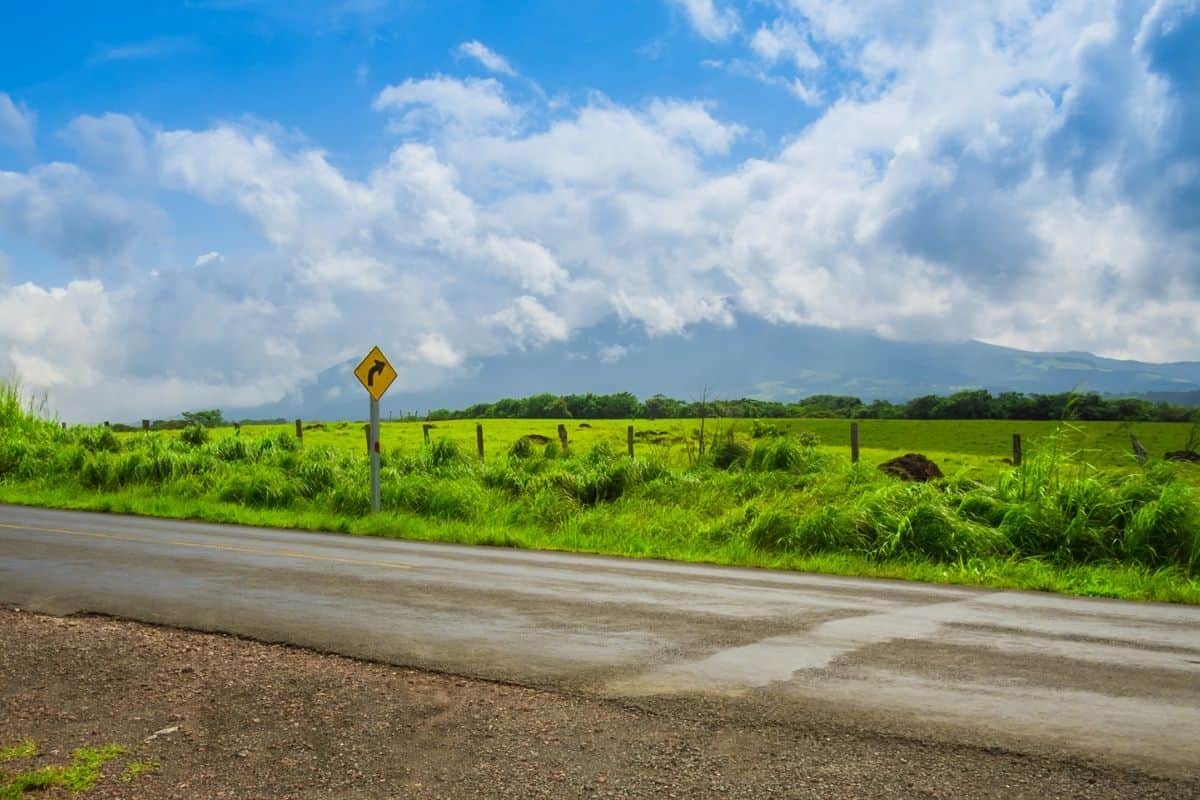
You’ll want to practice defensive driving, especially in rural areas, or if you find yourself driving at night. It’ll be more difficult to spot things like potholes in the dark.
If you hit one at the wrong angle, you may end up with a damaged car and may have difficulty getting help right away.
Be sure to drive slowly and be aware of your surroundings at all times.
15. Make Sure Your Phone is Fully Charged
Generally speaking, your phone charger should be compatible with most rental cars in Costa Rica. However, we suggest making sure you have a full charge before heading out.
We always travel with a portable charger, just to be on the safe side. It saved us on more than one occasion, so it was well worth the investment. You can check pricing for the one we use here.
16. Keep Your Eye Out for Speed Limits
Costa Rica speed limits are in kilometers, not miles. They posted limits are sometimes on a sign, or they could be painted on the road. You’ll need to keep an eye out for them.

17. Know What to do in Case of an Emergency
You’ll want to deal with accidents and breakdowns similar to how you would deal with them at home.
If you’re in an accident, call 911 and turn on your hazard lights, and don’t move your car unless a police officer asks you to.
Stay calm and refrain from getting into any arguments with anyone. Make sure you take photos of any damage, and call your rental car company and insurance company.
If you break down, try to move the car into a safe, well-lit area. Decline assistance from anyone that claims to want to help, and contact your car rental company right away.
Answering Your Questions About Driving in Costa Rica
Is renting a car in Costa Rica a good idea?
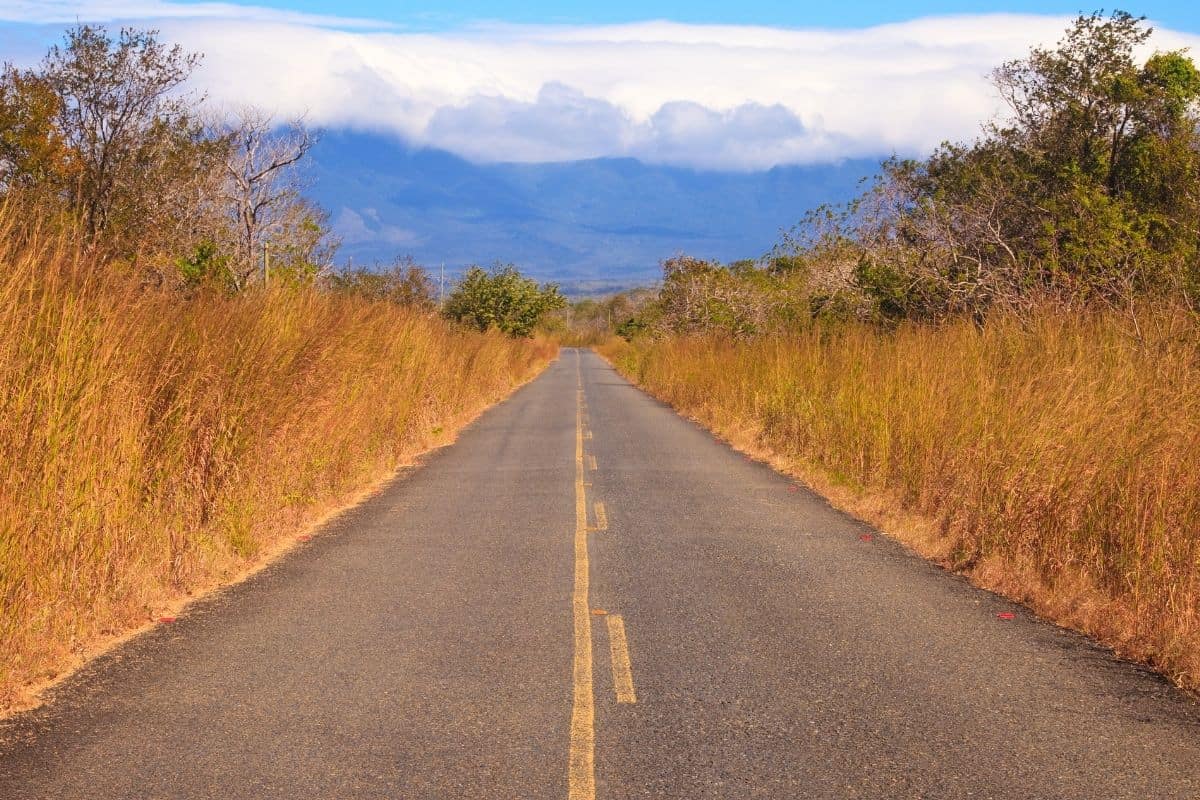
If you want as much flexibility as possible when visiting Costa Rica, renting a car is your best option.
What is the best form of transportation in Costa Rica?
While there isn’t one form of transportation that’s better than another, many people choose to rent a car while in Costa Rica. If you don’t rent a car, shared shuttles or private transfers are the best alternatives.
Can I rent a car without insurance in Costa Rica?
No, you cannot rent a car without insurance in Costa Rica. You’ll need to purchase Liability Protection Insurance through your rental company. In addition, you’ll need loss and damage coverage either through your credit card company or your car rental company.
More Costa Rica Travel Guides
Planning Guides
- Best Time to Visit Costa Rica: The Ultimate Seasonal Travel Guide
- Costa Rica Airports Guide 2026: Which Airport to Fly Into & Why
- Costa Rica Dry Season: Travel Guide for December to April
- Costa Rica Rainy Season: Travel Guide for May to November
- 15 Costa Rica Travel Mistakes to Avoid for First-Time Visitors
- Costa Rica Family Itinerary: 1-Week From San Jose Airport
- 1-Week Costa Rica With Kids Itinerary from Liberia Airport
- How to Get Around Costa Rica: Our Tips From Years of Visiting
Destination Guides
Our Final Take: Driving In Costa Rica
There it is, our list of things you should know before renting a car in Costa Rica. Hopefully we haven’t scared you into not renting a car because, honestly, it can be a really fun experience.
It allows you the freedom to explore areas you may not have seen otherwise, and it also puts you in control of your schedule, not someone else’s.
That said, if you are thinking of driving in Costa Rica, we hope you find these tips helpful. You’ll likely realize that renting a car is one of the best ways to get around the country.
If you have any questions about renting a car in Costa Rica, feel free to reach out at any time.
Talk soon!
Found this helpful? Save it to Pinterest for your Costa Rica trip planning!