17 Tips for Planning a Trip to Slovenia
Planning a trip to Slovenia? Here are a few key things to know before you go.
Slovenia is probably one of the most surprising destinations we’ve been to recently, and it definitely deserves a spot on more bucket lists.
If you’re thinking about going, there are a few important details that can make planning your trip much easier.
In this guide, we’ll walk you through everything you need to know for planning a trip to Slovenia with confidence including tips and suggestions based on what we learned while we were there.
Best Trip Planning Resources
🚗 Renting a car from Ljublijana Airport? Find great pricing on car rentals here.
🏨 Find Great Hotels in Slovenia – Compare hotel amenities and prices here.
🌴 Discover Top Experiences & Activities – Book popular tours before they sell out here.
🧳 Travel Insurance – Protect yourself with travel insurance.
A Flair For Travel contains affiliate links and is a member of the Amazon Services LLC Associates program. We may earn a commission from any purchases you choose to make from our links, at no additional cost to you. For more information, please refer to our privacy policy.
Top Tips for Planning Your Trip to Slovenia
Slovenia might be small, but there’s a lot to see and do.
One of the best parts is that its size makes it easier to fit a lot of things into one trip without feeling rushed.
Before you start planning your itinerary, there are a few key things to keep in mind.
We’re going to walk through practical info, helpful tips, and what we learned during our visit so you can plan your trip with confidence.
Let’s get into it!
1. Try to Use Credit Cards Whenever Possible
Slovenia uses the Euro (€), which is ideal if you’re visiting neighboring countries, like Croatia, which also uses the euro. It can get confusing when you’re visiting multiple countries that use different currencies.
Keep in mind that credit cards are widely accepted in cities and tourist areas. This is usually the best way to pay for purchases since you’ll usually get a better exchange rate.
That said, it’s still a good idea to carry some cash for more out-of-the-way places or for tipping. We usually exchange a small amount of money at our bank before we leave for our trip.
If possible, we suggest avoiding ATMs whenever possible since they tend to have hefty fees attached to them.This is especially true for the ones that aren’t associated with a bank.
2. Be Careful on Mountain Roads
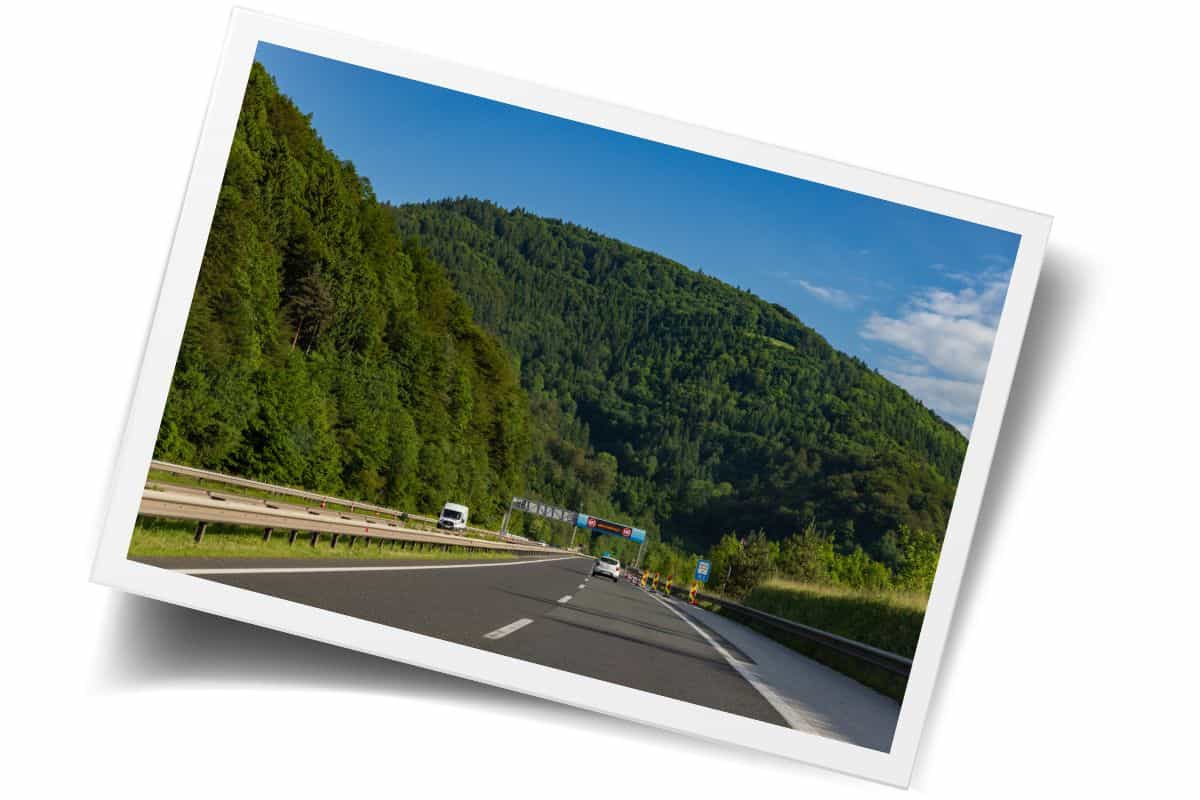
Navigating Slovenia is relatively easy since driving is on the right side and the roads are well-maintained.
We ended up renting a car in Slovenia and we didn’t have any issues making our way around.
Just be aware that mountain routes can be narrow, winding, and dark at night. This can Impact your travel time.
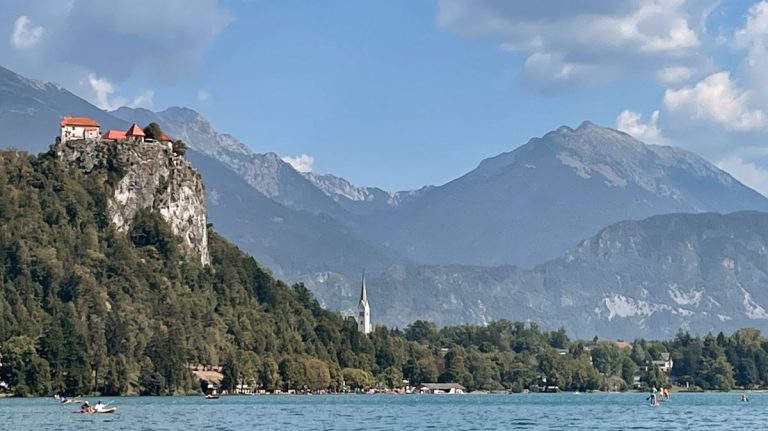
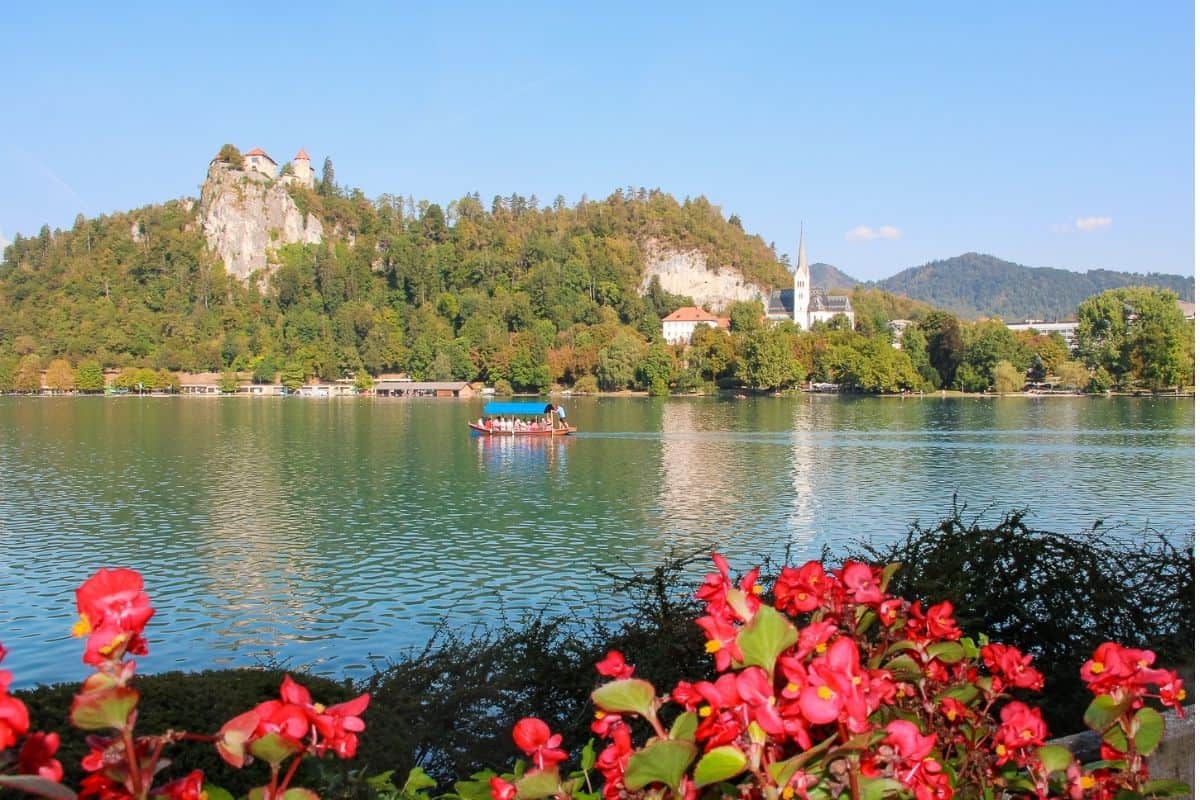
Also keep in mind that the mountainous areas usually have one lane in each direction. This means that some of the popular tourist spots, like Lake Bled, can get very congested with traffic during peak hours.
We recommend starting your day as early as possible if you’re planning on a day trip.
If you decide to rent a car, it’s worth comparing car companies in advance. This is especially true if you’re doing a one-way rental since drop fees can vary considerably from one company to another.
3. Purchase an E-Vignette for Your Car
If you don’t know what an e-vignette is, you’re probably not alone. We didn’t have a clue before we got to Slovenia.
An e-vignette is Slovenia’s equivalent to the toll transponders that are used in the U.S such as E-ZPass or Florida’s SunPass.
If you plan on driving in Slovenia, you’ll need an e-vignette for highways and expressways. Most rental companies will include this if you’re renting a car, but it’s always a good idea to double-check.
If you’re driving in from another country, you can easily buy one online or at a gas station near the border.
The price for an e-vignette is around 16,00 EUR and it’s valid for 7 consecutive days. Keep in mind, if you purchase one in advance, you’ll need to enter a start date for its validity so be absolutely sure of your dates before purchasing one.
4. Don’t Forget an Adapter & Converter
Slovenia uses Type C and F outlets with 230V.
If you’re coming from North America, you’ll need a plug adapter, and possibly a converter depending on your devices. Dual voltage appliances might not need the converter.
If you do need a converter, make sure it’s powerful enough for the items you’re using.
One of our converters can only be used for small items like portable chargers and phones. It can’t be used for hair dryers.
5. Don’t Worry About Language Differences
Slovene is the official language, but you’ll find that English is widely spoken, especially in tourist areas.
If you’re heading to smaller towns, it can be helpful to know a few basic phrases or have a translation app ready.
6. Download Offline Maps for Remote Areas
You’ll have great internet in cities and most of the popular tourist areas but once you get into more remote or mountainous regions, service can be spotty.
It might be worth downloading maps or anything you might need in advance. We never had an issue with this, but it’s better to be safe than sorry.
7. Be Prepared for Varying Weather
Slovenia may be small, but the weather can vary a lot depending on whether you’re along the coast or further inland towards the mountains.
If your itinerary includes multiple areas, it’s a good idea to plan for different conditions. The Alps tend to be much cooler, so packing layers will make a big difference especially during the morning or evening hours.
We visited in early September and while Ljublijana was extremely hot, we needed sweatshirts and jackets when we arrived at Lake Bled the same day.
Want our full guide about the best time to visit Slovenia?
👉 Best Time to Visit Slovenia: The Ultimate Seasonal Travel Guide
8. Don’t Forget to Tip
Tipping isn’t mandatory in Slovenia, but it’s common to leave 5-10% for good service.
If there isn’t a spot to add a tip to your bill, you should leave a cash tip instead. When doing this , be sure to hand it directly to your server rather than leaving it on the table.
9. Book in Advance for Peak Season
Slovenia is especially popular with European travelers during the summer months, so it’s smart to plan ahead if you’re visiting at this time of year.
To avoid missing out, book your hotels and restaurant reservations early. We usually compare hotel options early to lock in better availability and pricing, especially in places like Lake Bled.
Coastal and lakeside towns can fill up months in advance, so the earlier you make your reservations, the better your options will be.
Planning a visit to Lake Bled? Check out our guide for first-time visitors:
👉 One Day in Lake Bled: A Practical Guide for First-Timers
If you’re starting to book your trip, it’s worth comparing hotels and rental cars early, especially during peak season.
10. Embrace Walking
One of the best things about visiting Slovenia is how easy it is to get around on foot.
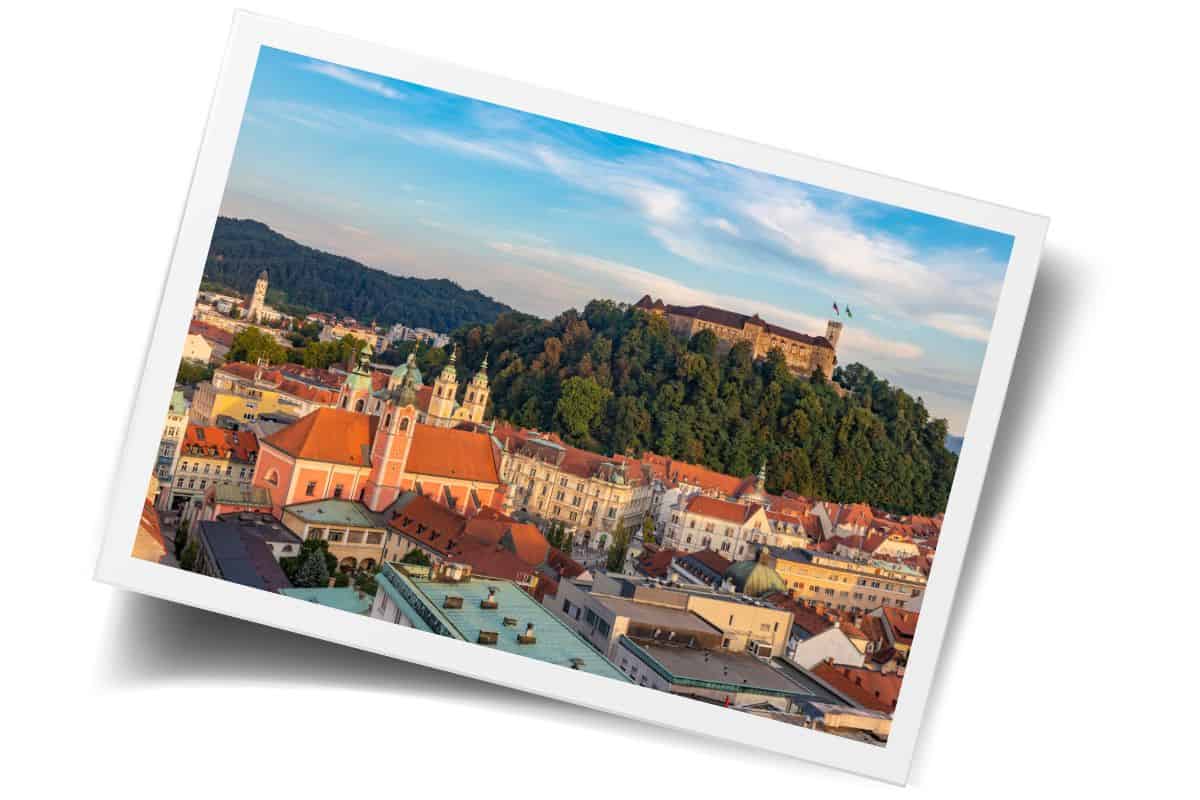
Cities like Ljubljana and towns like Bled are compact, pedestrian-friendly, and simple to navigate, making it easy to explore without needing a car.
11. Explore Multiple Regions
Another great thing about Slovenia is how much variety it packs into such a small space.
In one day you can hike miles of forested trails and then follow it up with a gourmet dinner in a small seaside town.
We highly recommend exploring as many regions as possible to fully experience everything Slovenia has to offer.
12. Visit Tourist Sites Early in the Day
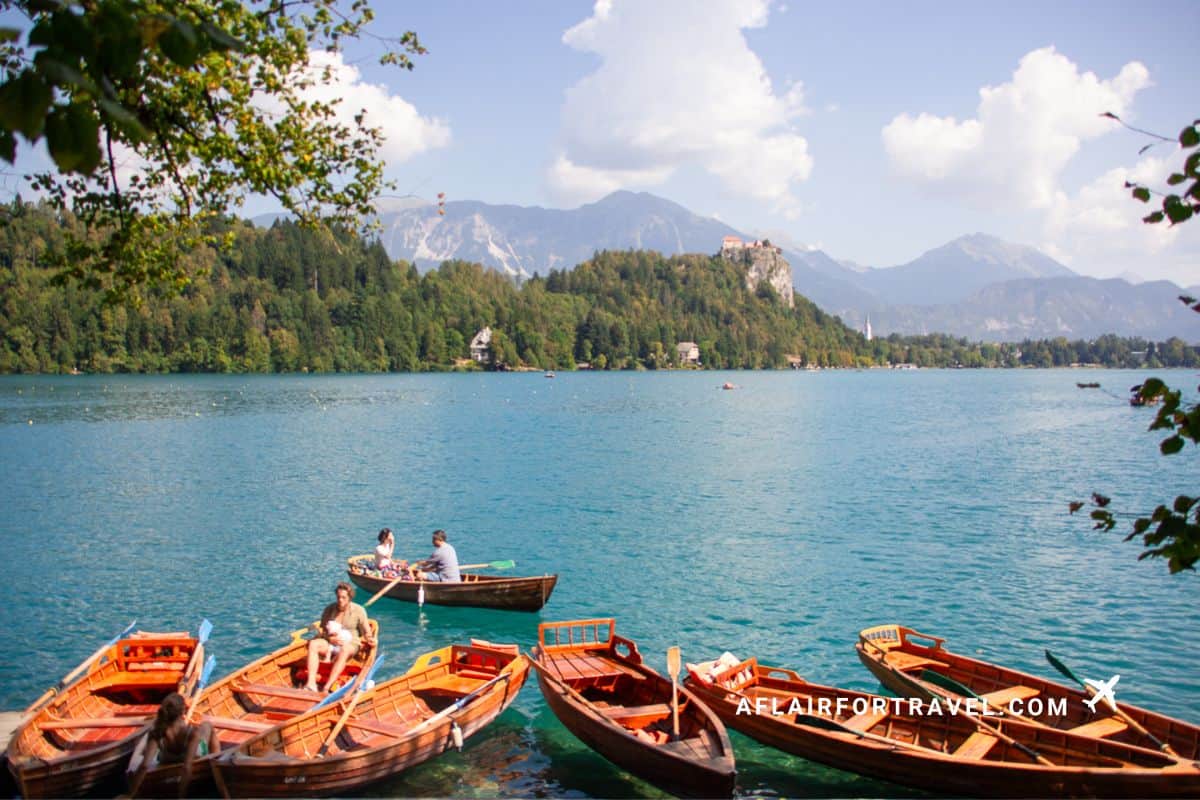
We found that many of Slovenia’s most popular attractions are much quieter in the morning, especially places like Lake Bled.
It was surprising to see that day-trippers didn’t really start to arrive into the Lake Bled area until around noon time.
By that time we had already explored a good portion of the area so we were able to avoid most of the crowds.
Discover top tips for visiting Lake Bled for the first time.
👉 One Day in Lake Bled: A Practical Guide for First-Timers
13. Rent a Car to Explore the Countryside
If you want to explore beyond the main cities, renting a car is the way to go. It’s one of the easiest and most flexible ways to get around Slovenia.
You’ll usually find garages and lots near major sights and around the cities so parking isn’t an issue. While they usually charge a fee, it’s typically much more affordable than what you’d find in the U.S.
We usually pay $30-$40 to park in a Boston garage for a few hours. You’ll probably pay around 2,00 – 3,00 EUR per hour in Slovenia which seems like a bargain.
If you’re still in the planning stages of your trip, we’ve found it helpful to use a car rental platform that shows multiple rental companies in one place. You can save quite a bit of money with a little advance research.
14. Take Advantage of Seasonal Ferry Routes to Nearby Countries
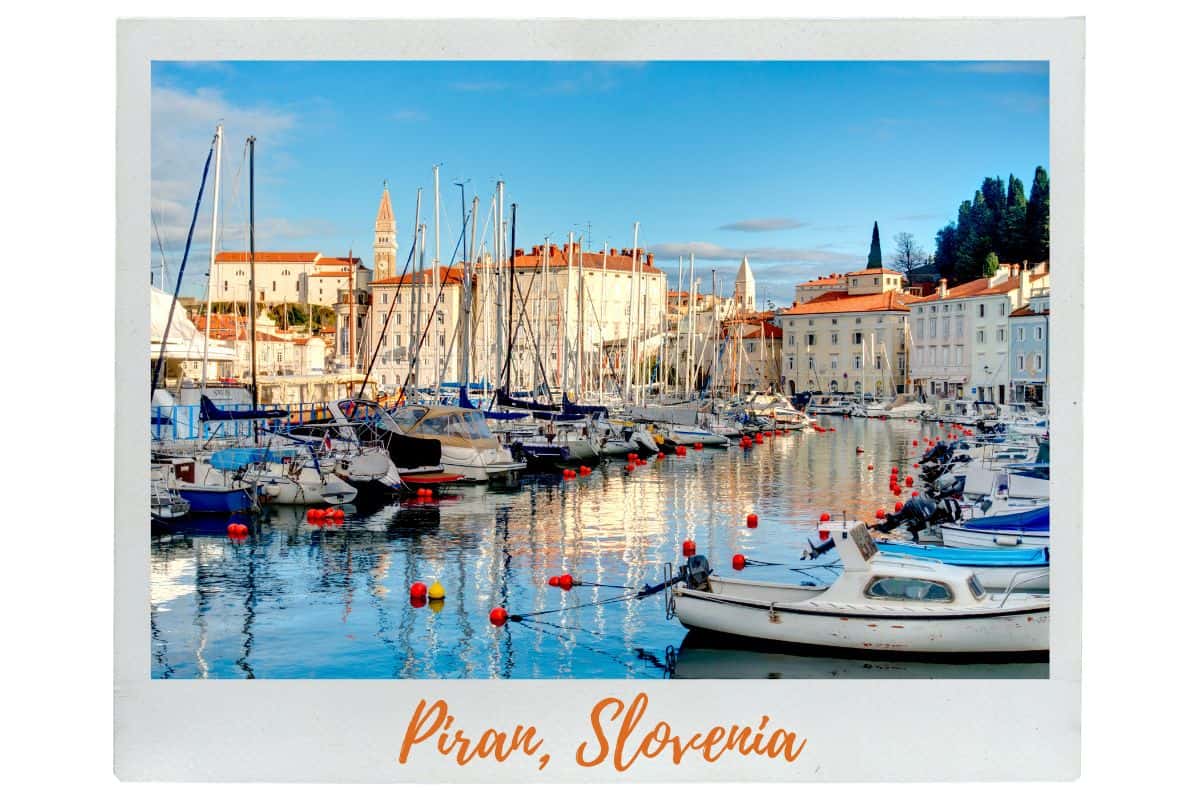
Slovenia doesn’t have a lot of coastline but the small amount that exists is put to good use. Many visitors don’t realize that there’s convenient, seasonal ferry service to nearby countries like Croatia and Italy.
You can easily catch a ferry from the coastal town of Piran, to popular destinations like Venice, Italy and Rovinj, Croatia.
It’s an easy and fun way to visit include other popular destinations into your itinerary.
15. Incorporate Some Easy Day Trips Into Your Plans
One of the best things about Slovenia’s small size is how easy it is to include day trips in your itinerary.
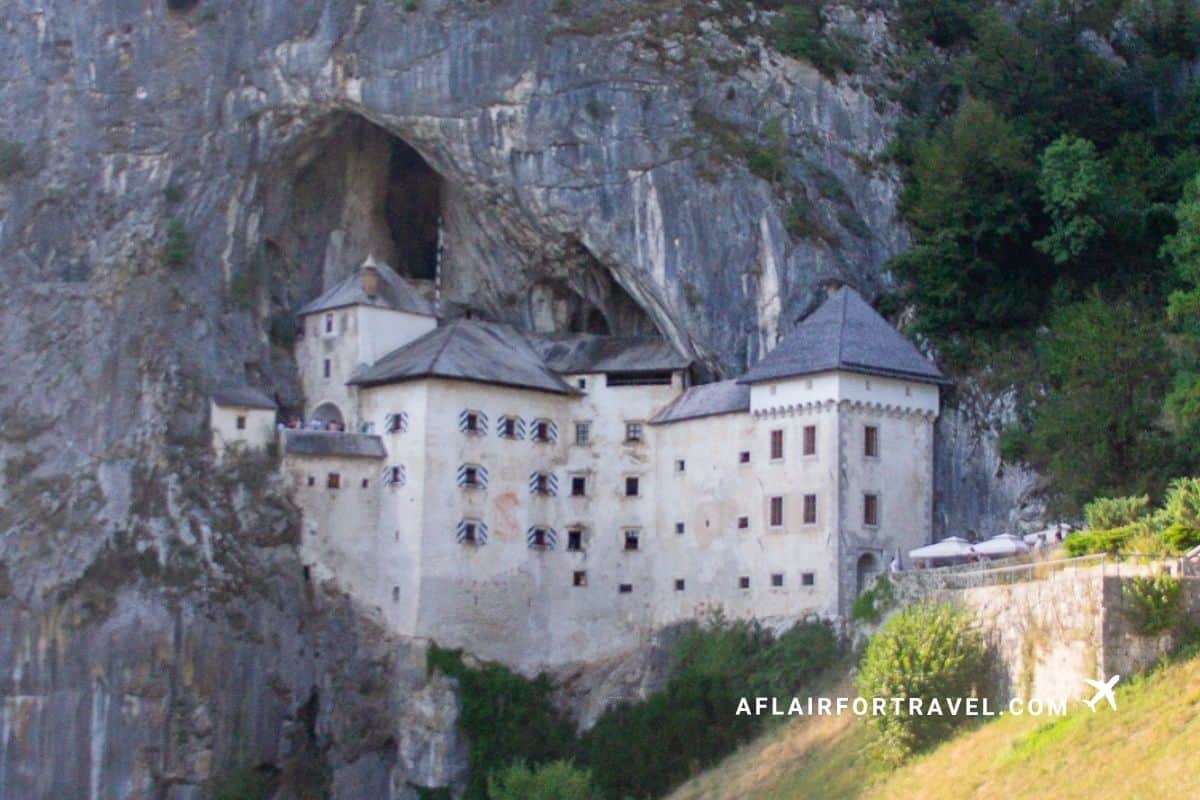
From Ljubljana, you can reach places like Lake Bled, Postojna Cave, Škocjan Caves, or Piran in under two hours.
You can also head just across the border into Croatia. Popular spots like Rovinj and Zagreb are typically around two hours away or less, making multi-country day trips totally doable.
If you prefer not to drive, booking a guided day trip can make visiting multiple places much easier.
Lake Bled is one of the best day trips in Slovenia. Check out our guide:
👉 One Day in Lake Bled: A Practical Guide for First-Timers
16. Plan for an Active, Outdoor-Focused Destination
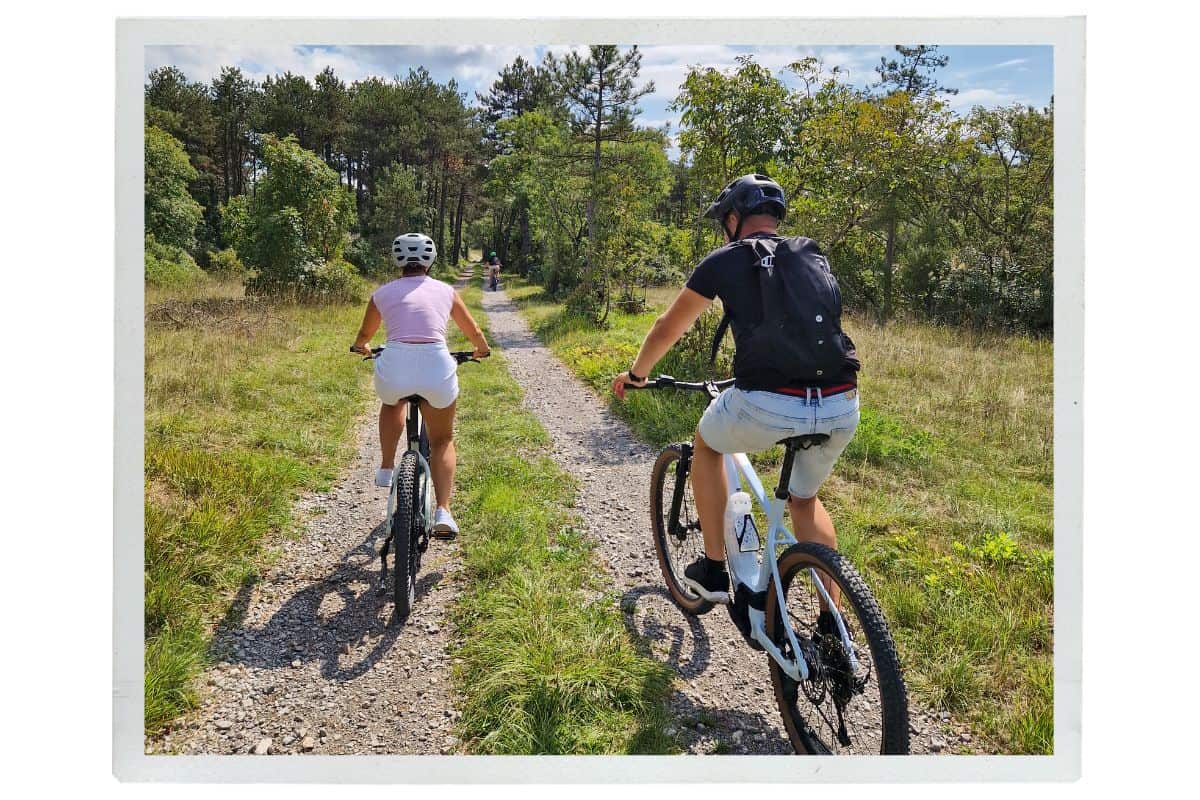
If you’re an outdoor enthusiast, you’ll be happy to hear that outdoor activities are a big part of everyday life here.
Depending on the season, you’ll find plenty of opportunities for hiking, biking, swimming, and even skiing in the winter months.
Since nature is so accessible across the country, it’s easy to build your itinerary around outdoor experiences, so pack accordingly and plan for time outside.
Even though Slovenia is very safe, if you’re planning to include some of the more adventurous activities in your itinerary like skiing, biking or rafting, travel insurance is worth considering for peace of mind
17. Slovenia Can Be More Affordable Than You’d Expect
If you think Europe isn’t really budget-friendly anymore, Slovenia might surprise you. It definitely surprised us. It’s actually a great value compared to a lot of other destinations.
You can book hotels, including luxury ones, at a fraction of the cost of other European countries so if you’re looking for an affordable luxury getaway, this is the perfect destination for you.
Answering Your Questions About Slovenia
Do they speak English in Slovenia?
Yes, English is very common especially in the tourist areas throughout the country.
Is Slovenia friendly to tourists?
Yes, Slovenia is very friendly to tourists.
Is Slovenia safe?
Slovenia is a generally safe country however, you should always exercise caution as you would anywhere around the world.
Plan Your Slovenia Trip With Our Other Travel Guides
To help you plan your itinerary, you may also find these guides useful:
Our Final Take: Tips for Planning a Trip to Slovenia
So now that we’ve covered the most important tips for planning a trip to Slovenia, it’s time to start bringing your Slovenia trip to life.
Slovenia was definitely a place we didn’t know we needed to visit until we arrived.
If you’re looking for a place that offers beautiful cities, stunning landscapes and lots of character, Slovenia is a great place to be.
If you need any additional information about Slovenia, feel free to reach out to us.
Talk soon!