Croatia in September: What to Expect and Why We Love It
Wondering if visiting Croatia in September is a good idea?
Our answer: absolutely. In fact, we visited Croatia recently in September, and now it’s actually our favorite time to go.
What makes it so appealing to us is that it’s especially perfect if you still want warm weather, swimming, and long days, but without the peak-season crowds of July and August.
In this guide, we’re covering everything you’ll want to know about visiting Croatia in September. This includes weather, crowds, cost, where to go, and how to decide between an early or late September trip.
A Flair For Travel contains affiliate links and is a member of the Amazon Services LLC Associates program. We may earn a commission from any purchases you choose to make from our links, at no additional cost to you. For more information, please refer to our privacy policy.
Is September a Good Time to Visit Croatia?
September has always been one of our favorite months to travel, especially to Europe. It always seems to offer the best mix of good weather and fewer crowds, especially later in the month.
We found Croatia to be the same way. The days were warm and sunny and the crowds were somewhat manageable.
While the crowds weren’t exactly sparse, they certainly weren’t as overwhelming as they can be in July and August.
September is also ideal for anyone that is still hoping to visit some of the beaches and nearby islands since water temperatures are still warm and ferries are still operating.
Of course, all of this will be dependent on whether you visit in the first half of the month or the latter half.
Later in the month, sunny days won’t be guaranteed and you’ll start to see some businesses and ferries adjusting hours and schedules due to fewer visitors.
What’s Open in Croatia in September?
If you visit Croatia in September, you don’t really need to worry about businesses or services closing. Unlike October, when many businesses start winding down for the season, September is still part of the active tourism season.
This is especially true for the first half of the month. Later in the month, some businesses start to close, but this is mostly in areas that rely more on summer visitors like Hvar or smaller beach towns.
The larger cities, like Split and Dubrovnik, don’t rely solely on beach-goers, so many places are still open well into October.
Here’s a quick look at what to expect:
- Restaurants – Mostly open all month; some start closing toward the end of the month, especially on the islands or smaller beach towns.
- Hotels – Open throughout the month
- Beach clubs – Open early in the month; many close by mid-to-late September.
- Tours – Operating throughout the month.
- Ferries – Running, but with fewer departures than in peak summer.
- Attractions – Open throughout the month.
Weather in September
Croatia is a long and geographically diverse country, so “Croatia weather” isn’t really one thing. It varies quite a bit and depends heavily on which region you’re visiting.
If you plan to visit multiple areas, you’re going to want a general idea of what to expect for each one.
For our September visit, we traveled the full length of the country, so we’re going to tell you what we experienced during our visit.
Dubrovnik & Southern Dalmatia
If you’re visiting southern Croatia, this is the area that stays warm the longest. Daytime highs average around 24–27°C (75–81°F).
The thing to keep in mind is that this is an average for the month. We traveled extensively throughout Croatia in September, and our experience was that early to mid-September was still very hot in and around Dubrovnik.
Temperatures regularly reached into the upper 80s to low 90s during the day with very few clouds and no rain at all. Nighttime temperatures were between 70 and 80 degrees so it was still very warm when we walked around at night.
As the month goes on, things start to gradually cool, with evenings around 18–19°C (64–66°F) and daytime temperatures dropped to between 70 and 80 degrees. This trend stayed pretty steady for the rest of the month.
The water temperatures in September usually hover around 23–24°C (73–75°F). After heating up all summer, this is genuinely an excellent time for swimming, even late in the month. We didn’t see any rain at all the entire time we were there, but it is a possibility especially later in the month.
However, even if it does, the averages are so low (roughly 6–10 days across the month) that it’s not something to worry about.
Split & Central Dalmatia
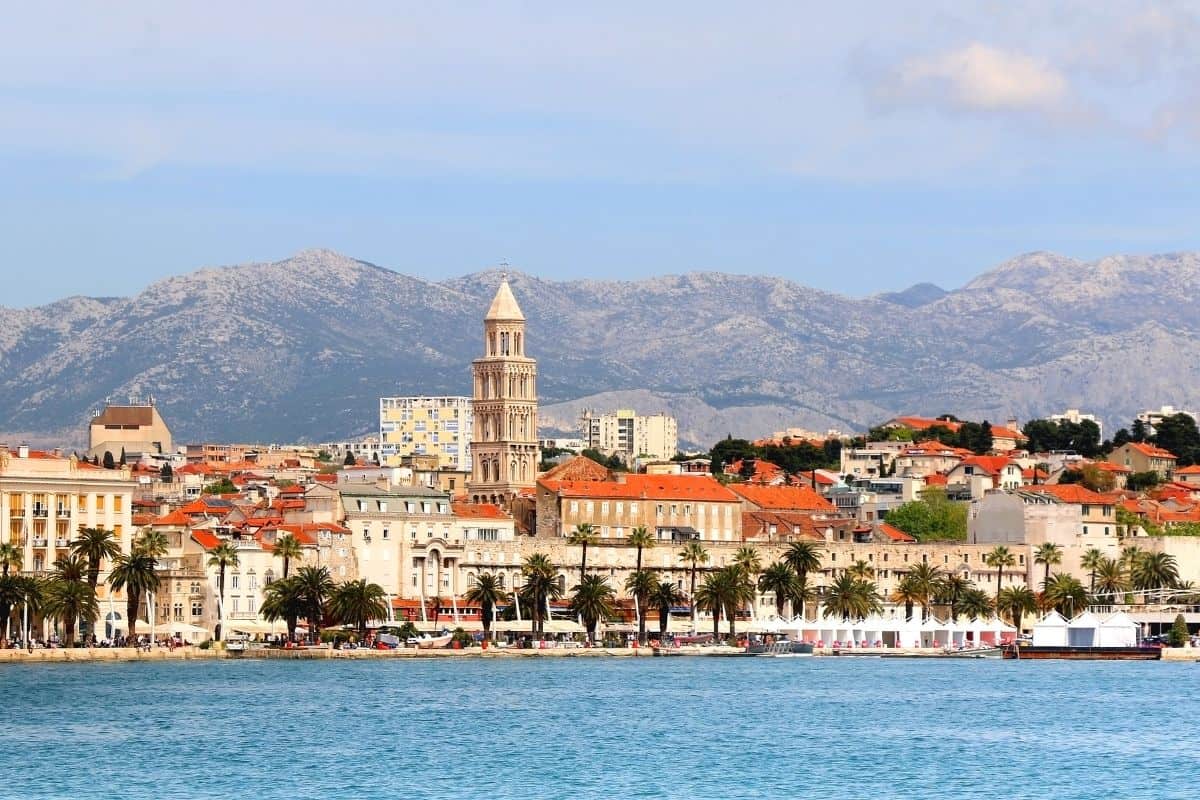
Split is located about 3 hours north, but it tends to have a similar temperature pattern to Dubrovnik, just a degree or two cooler on average.
You may see guides showing that highs run between 24–25°C (75–77°F) early in the month. Again, our experience was that temperatures in Split reached well into the upper 80s and 90s during the day and dropping into the 70s at night.
By late September, daytime temperatures were in the 70s with evenings around 17–19°C (63–66°F). Water temperatures are also comparable to Dubrovnik, around 22–24°C (72–75°F).
Istria & Northern Croatia
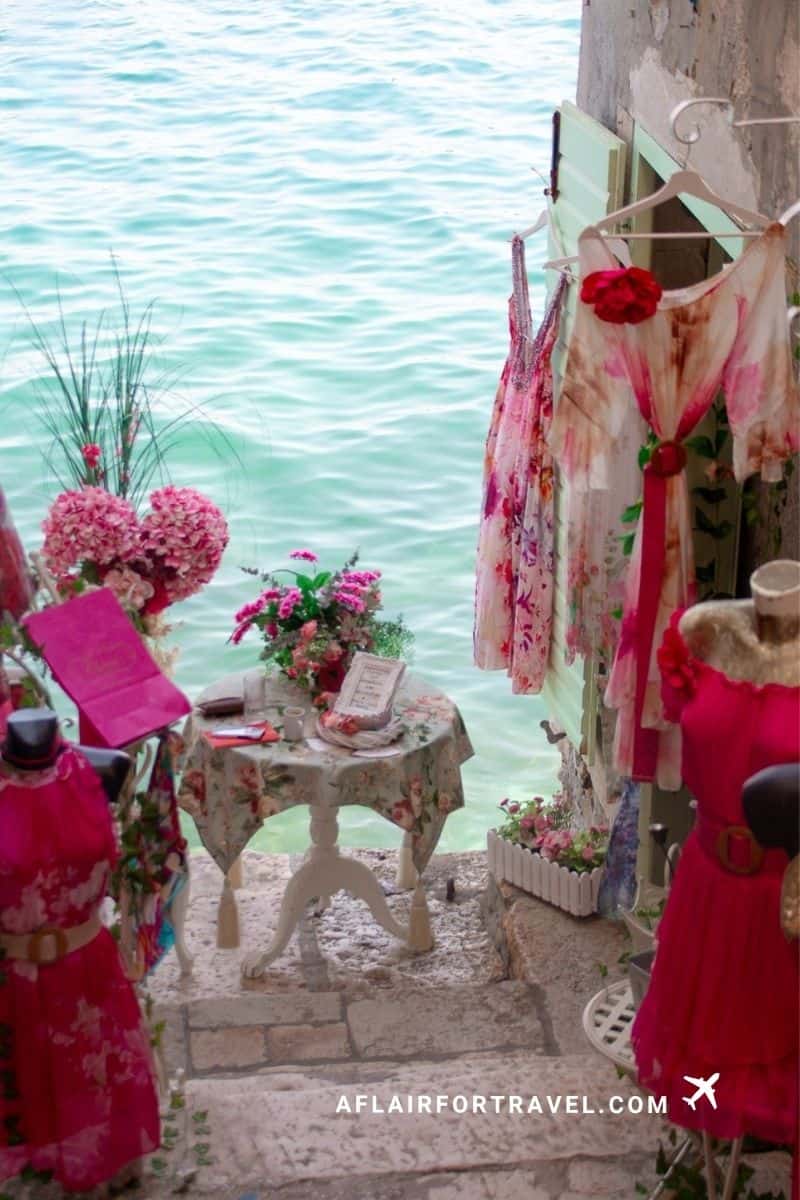
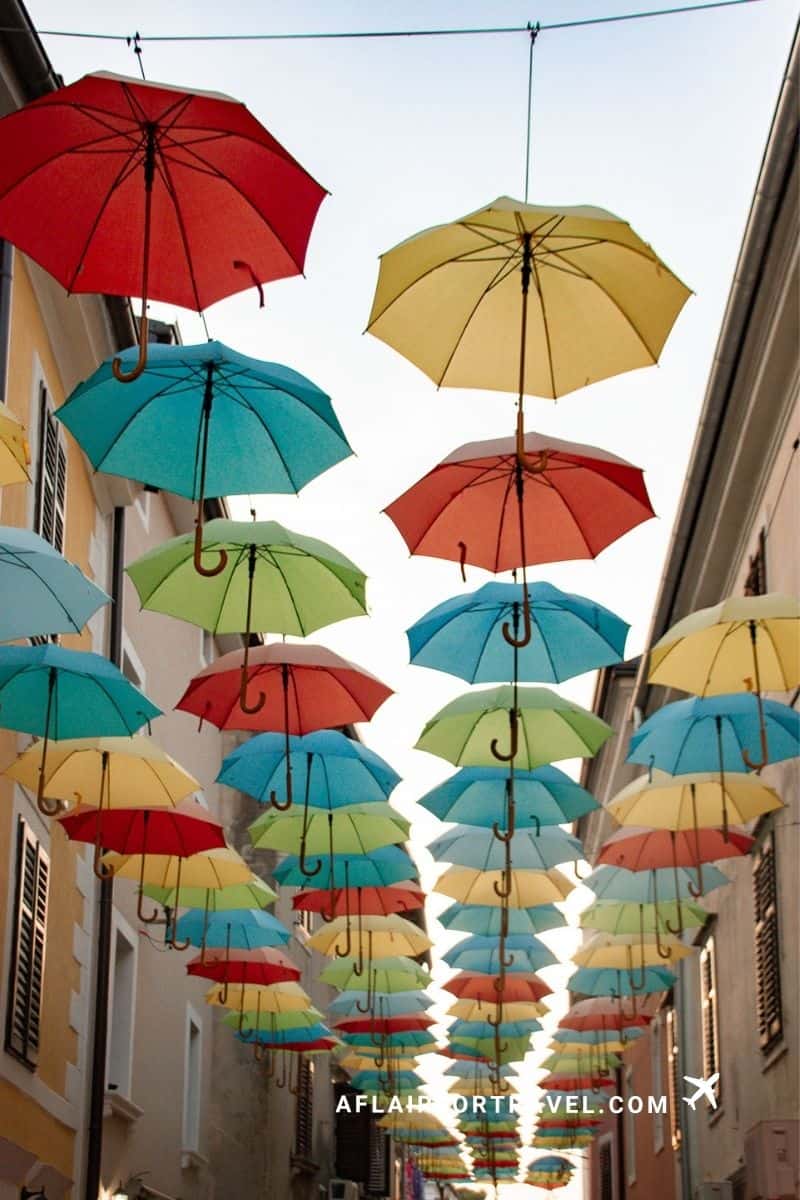
In theory, Istria (Rovinj, Poreč, Pula) is supposed to run slightly cooler and wetter than the Dalmatian coast, but the only time we saw a difference was with the nighttime temperatures.
Daytime temperatures were still in the low 90s for the first few days of the month, but by the second week, they settled into the low to mid-80s.
Nighttime temperatures were much cooler and it wasn’t unusual to see a 20 or 30 degree difference between the daytime and nighttime temperatures.
The sea temperatures were still very warm early in the month (~23–24°C / 73–75°F), and people still flocked to the beaches during the first couple of weeks.
Even though we didn’t experience rain when we were there, rainfall tends to pick up more noticeably here by late September than it does further south.

Plitvice Lakes & Inland Croatia
If you’re visiting Plitvice Lakes or traveling through inland Croatia, September is cooler than the temperatures you’ll find along the coast.
The was the one place we visited that had noticeably cooler temperatures, especially at night and early in the morning.
Daytime highs were pretty warm at the beginning of the month, in the mid to upper 80s, but at night it dropped down to the upper 50s to mid-60s.
We definitely needed layers, so don’t forget to bring a sweatshirt or light jacket if you’re visiting this area. We only need them for a couple of hours in the morning. By 11:00am or so, it was fairly warm again.
The thing to keep in mind is that temperatures can vary quite a bit depending on when you’re visiting. Early September can still feel quite warm during the day, especially when the sun is out, while temperatures become noticeably cooler as the month goes on.
As the month goes on, temperatures gradually drop, with daytime highs more often in the 60s and overnight temperatures dipping into the 40s and 50s.
Rain is also more common in this area than along the southern coast. September typically brings several rainy days throughout the month, and showers can be particularly noticeable around Plitvice Lakes.
We were fortunate to have good weather during our visit, but I’d definitely pack a lightweight rain jacket and be prepared for changing weather.
Is Croatia Crowded in September?
This is probably one of the most popular questions people have when visiting Croatia, regardless of the time of year.
We’re not going to sugarcoat it, September can still be very busy. If you’re hoping to have the coast entirely to yourself, early September definitely won’t give you that. There are still a lot of visitors, both land-based and cruise passengers.
It’s essentially an extension of July and August. But compared to peak summer, the experience is a little better. You won’t really see a noticeable drop-off until later in the month.
So do you need to make reservations in advance for restaurants and tours?
Our recommendation is if you have your heart set on specific restaurants or you tend to eat a little later, you should make your reservations in advance. This is especially true for popular restaurants like Panorama or Restaurant 360 in Dubrovnik.
When we visited, we actually went against our own advice and didn’t make any restaurant reservations, with the exception of Above 5 in Dubrovnik. We didn’t have any trouble getting a table at any of the other restaurants.
Of course, we tend to eat a little earlier than a lot of people, and we did notice that by the time we finished eating, the restaurants started to get much busier.
When I say we ate earlier, I’m not talking about 3:00 in the afternoon. We usually like to eat between 6:00 and 7:00. By around 8:00, that’s when they started to get much busier.
Want to find out which Dubrovnik restaurants have the best views? Check out our guide:
→ 11 Best Dubrovnik Restaurants with a View
Is Croatia Cheaper in September?
To be honest, I’m not going to say that September is less expensive than the peak summer months, unless you’re talking about the later half of the month.
As we mentioned earlier, the first half is an extension of July and August, which means there are still a lot of visitors. This means hotel occupancy is high, restaurants are full, and car rental availability is low.
Your best bet for finding value is to visit later in the month. There’s going to be more availability in hotels, especially in places like Dubrovnik, which means you might be able to grab some of the less expensive room categories.
There’s probably also going to be lower demand for car rentals, so pricing might be more competitive.
Best Places to Visit in Croatia in September
Wherever you go in Croatia, September is an ideal month to visit. Here’s where we’d point first-time visitors, depending on how much time you have.
Dubrovnik
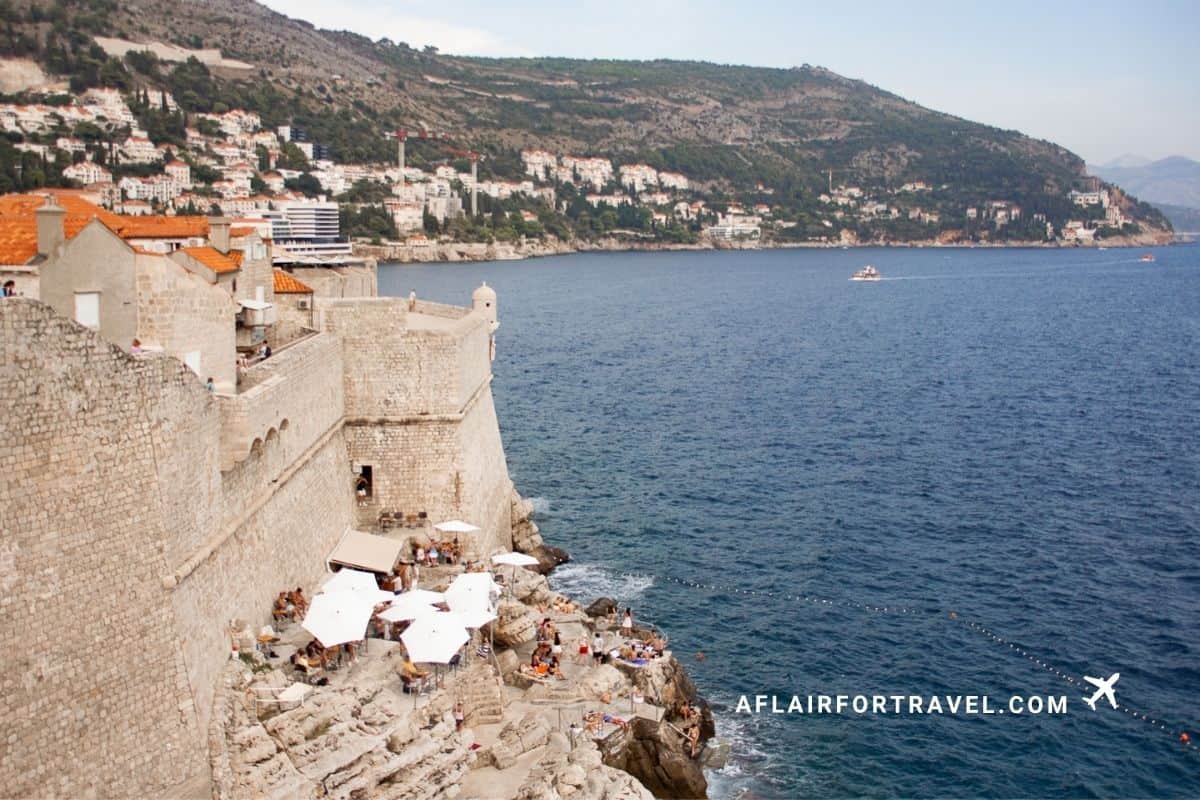
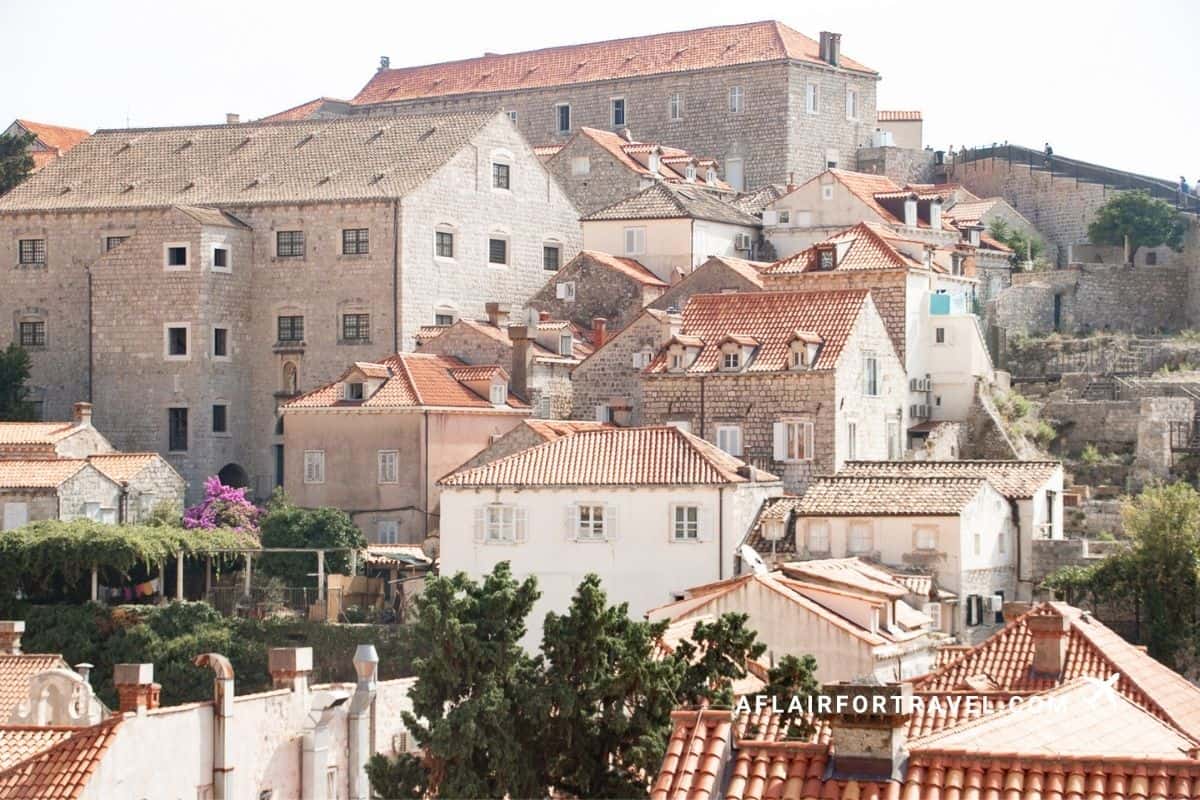
Dubrovnik is a must for any Croatia itinerary. Even though September can still be a bit warm and crowded, it’s not as bad as it can be in July and August. The Adriatic is still warm enough for swimming and island-hopping well into the month.
Best things to do in Dubrovnik:
- Walk the Dubrovnik City Walls – This is a must when visiting the city. If you want more than just a ticket for the walls, we recommend booking a guided tour which will give you insight into the history of the walls. Try to find one that includes your admission ticket to the walls like this one here.
- Explore Old Town Dubrovnik
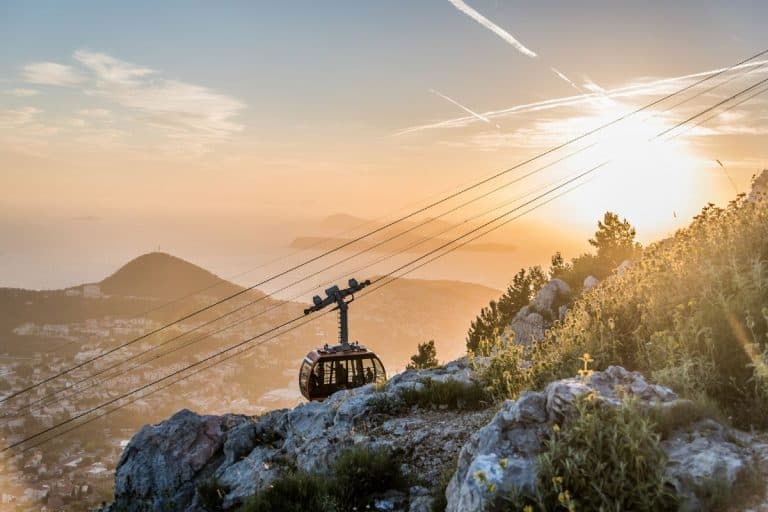
- Take the cable car to Mount Srđ – Enjoy panoramic views of Old Town, Lokrum Island, the Adriatic and more. You can either explore on your own or sign up for a tour like this one.
- Take a boat trip to the Elaphiti Islands – This is one of the most popular day trips from Dubrovnik. If you’d like to visit, we recommend this tour.
- Visit Lokrum Island – This is an easy day trip that doesn’t require a huge time commitment.
Hey there! We have some great guides for planning your visit to Dubrovnik:
→ Walking The Dubrovnik City Walls – A Traveler’s Guide 2026
→ 7 Luxury Things to Do in Dubrovnik Plus Affordable Alternatives
→ 6 Best Islands Near Dubrovnik (Plus Stunning Coastal Spots)
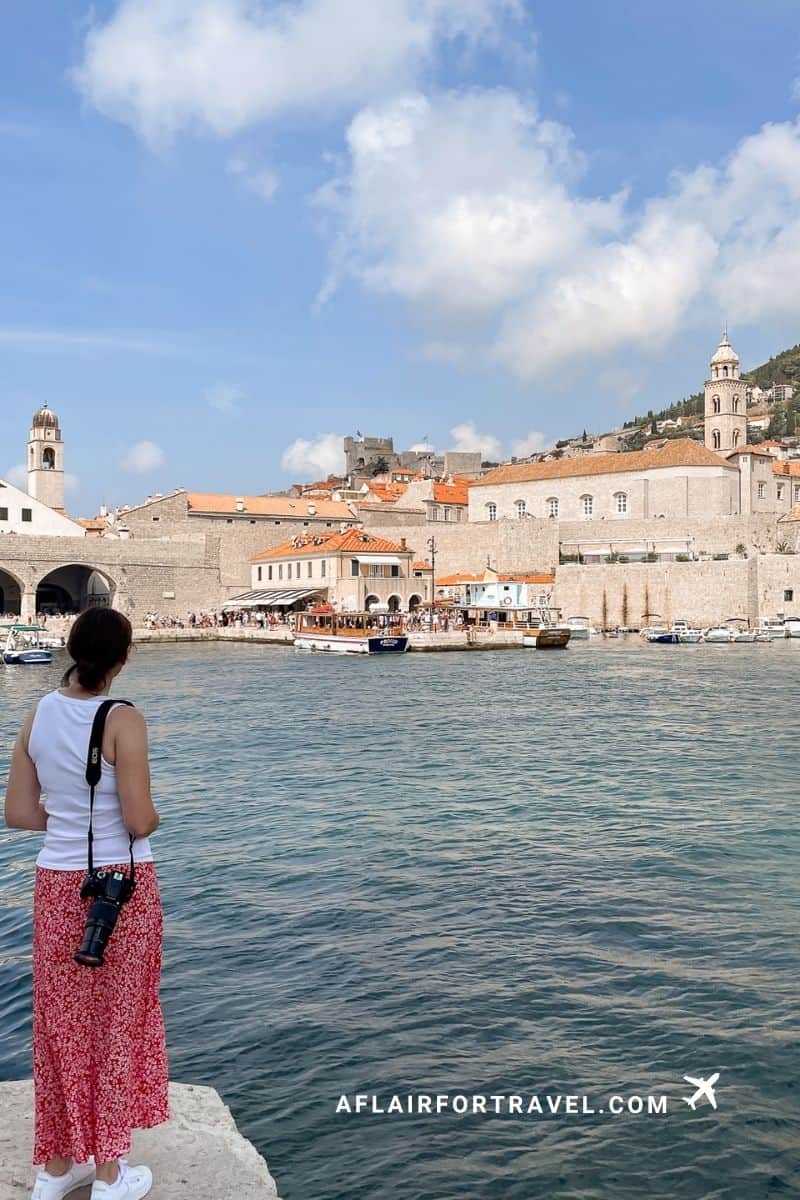
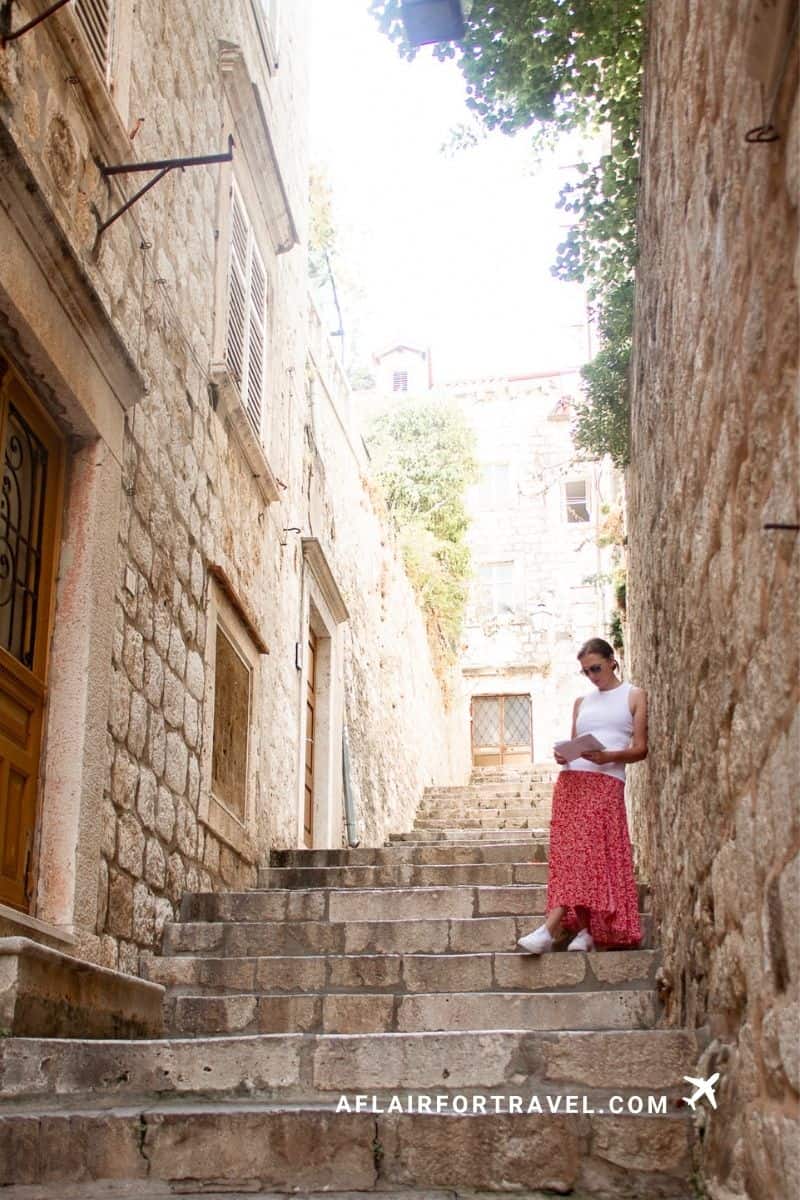
Split
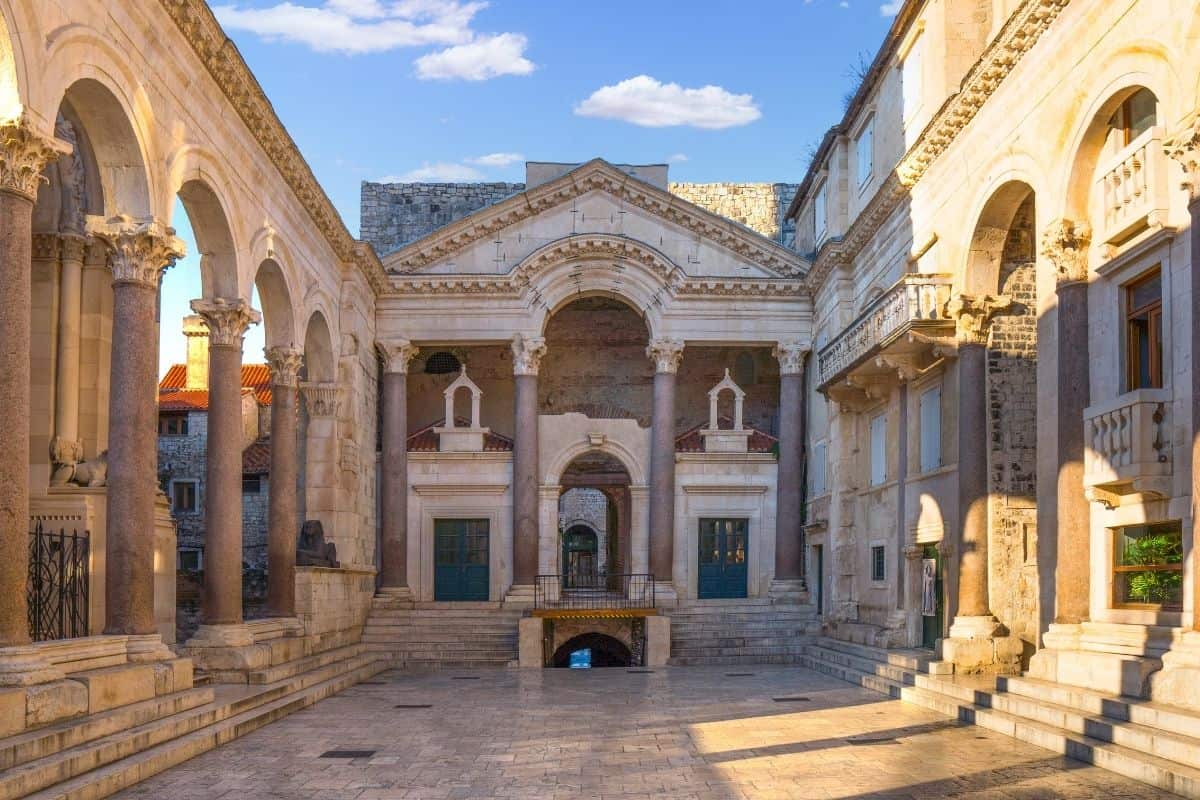
Summer is still hanging on here in September, but that means it’s still ideal for sightseeing. You can spend mornings in the historic center, afternoons on the water, and evenings along the Riva.
Best things to do in Split:
- Explore Diocletian’s Palace – This is the centerpiece of Old Town and a must-see if you’re in the city. We recommend combining it with a walking tour of Old Town with this tour.
- Wander through Old Town Split – Spend some time wandering the cobblestone streets.
- Walk the Riva waterfront – This is a great place lined with shops and restaurants. It’s great for people-watching or just enjoy the sea views.
- Take a day trip to Krka National Park – Krka is a great day trip from Split. There are some great organized tours you can sign up for. If you want one that includes a stop at a local winery, this is a great option.
- Visit Marjan Hill for views over the city and Adriatic – This is a nice way to spend the afternoon.
Learn which boutique hotels in Split are our favorites in this guide:
→ 9 Historic & Boutique Hotels in Croatia: Luxury Stays for Less
Hvar
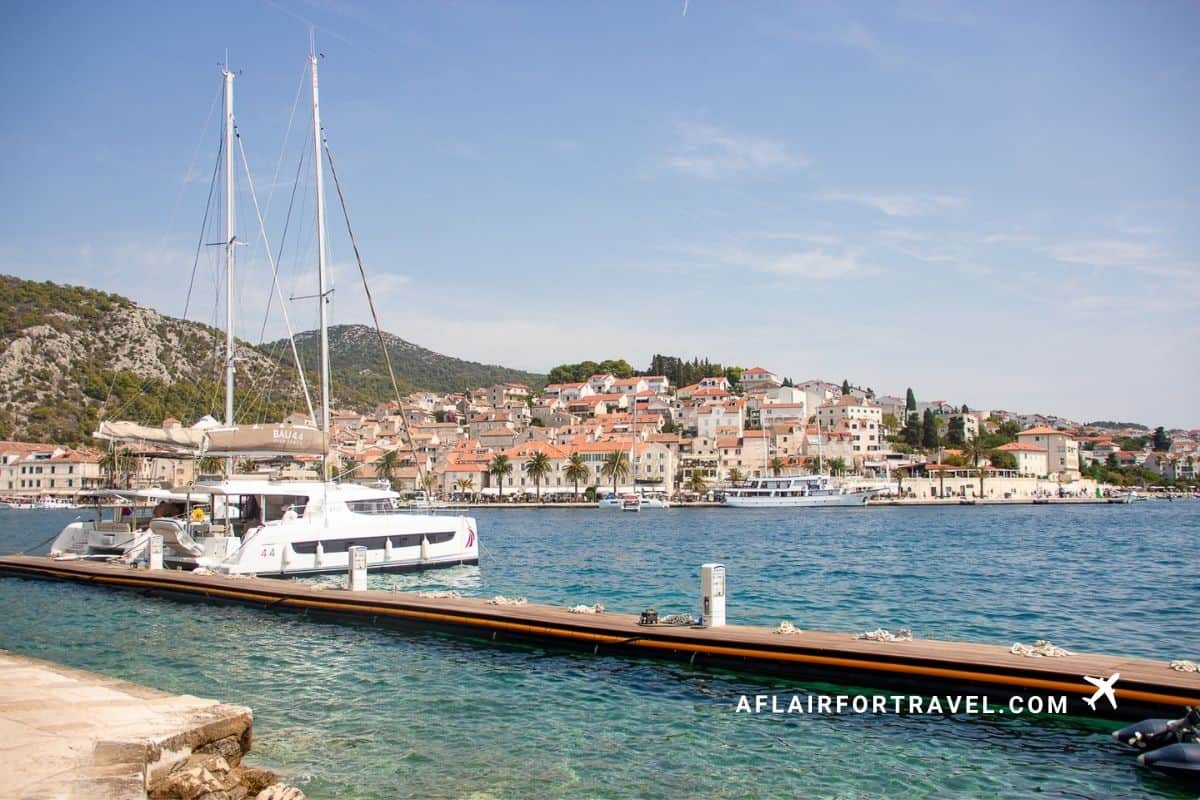
We visited Hvar in the first half of the month, so it was still very busy. The harbor was filled with yachts, ferries were packed with visitors, and restaurants were extremely busy.
The temperatures were still in the mid-80s to low 90s so the island definitely still had its summer appeal. We didn’t find the crowds to be too overwhelming when we were there during the day, but nighttime seemed to be much busier.
During the day, many people spend their days at beach clubs, swimming pools, or out on the water. At night, they all make their way to the restaurants and bars that line the waterfront.
Best things to do on Hvar:
- Explore Hvar Town – The harbor front is a great place to explore along with a boardwalk that runs along the waterfront.
- Climb to Fortica Fortress – The fortress sits on a hill overlooking Hvar Town’s waterfront. It has great views of the Adriatic.
- Take a boat trip to the Pakleni Islands – Island-hopping is part of Croatia’s island culture. If you have time, sign up for a day trip to the Pakleni Islands. There are plenty of tours available, but we like this one.
- Visit Stari Grad – A small town located about 30 minutes from Hvar Town.
Pro Tip:
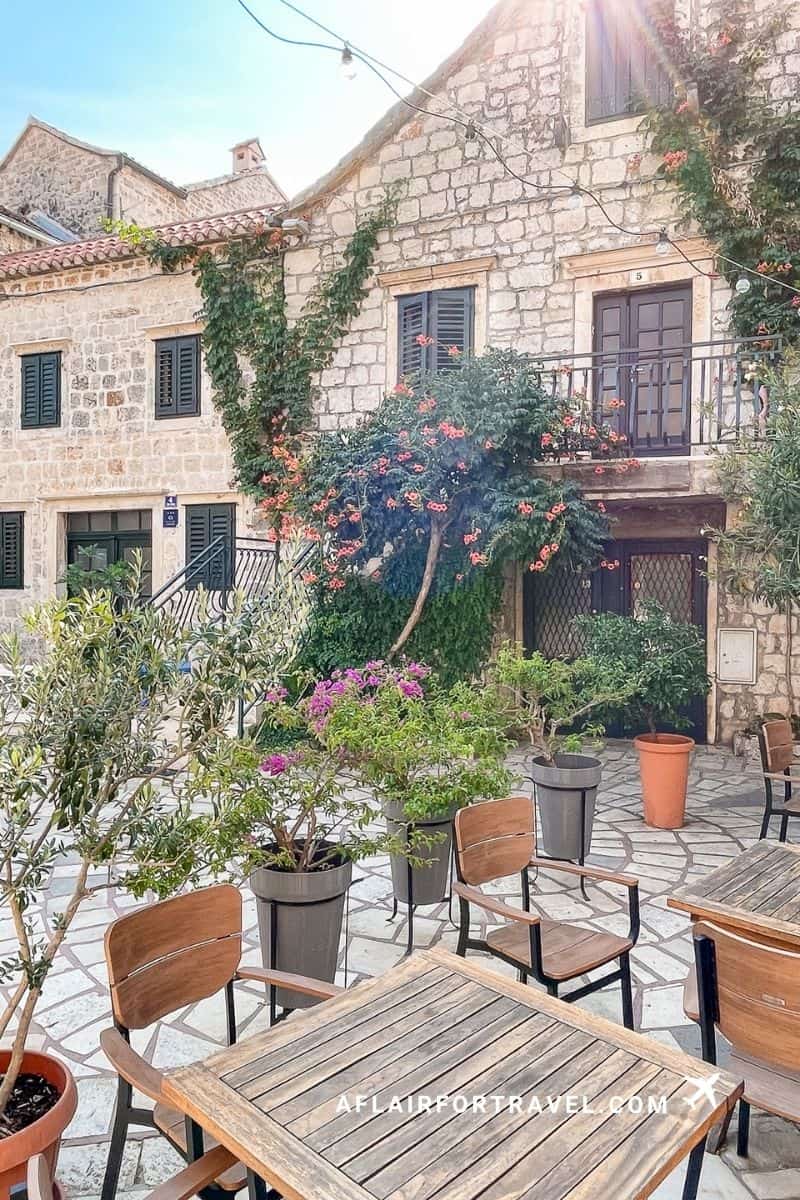
If you want to visit Hvar but don’t want to deal with the crowds, head over to Stari Grad instead. When we visited, there was hardly anyone there. We felt like we had the whole place to ourselves. You’ll find some really cute cafes, shops, and bakeries here, all set along a beautiful waterfront.
Korčula
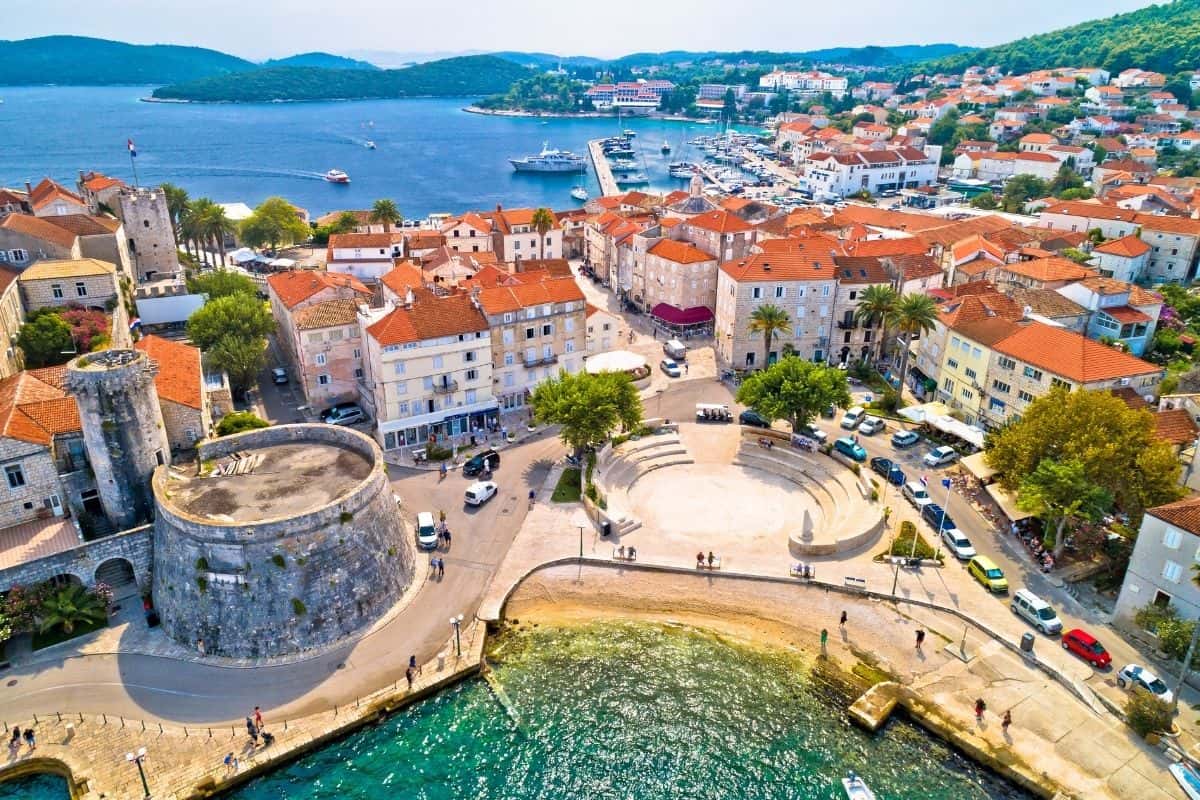
Similar to Hvar, Korčula is still a great destination in September. The warm weather still makes it comfortable for swimming or exploring the island.
Korčula has a great medieval Old Town along with beaches, vineyards, and smaller coastal villages.
Best things to do on Korčula:
- Explore Korčula Old Town – You can never visit too many old towns.
- Climb the St. Mark’s Cathedral bell tower – This is located at the highest point of old town so it has some amazing views.
- Go wine tasting and try Pošip or Grk – Korčula is a great place for wine tasting. There are several tours available, but you can check availability for the one we recommend here.
Plitvice Lakes
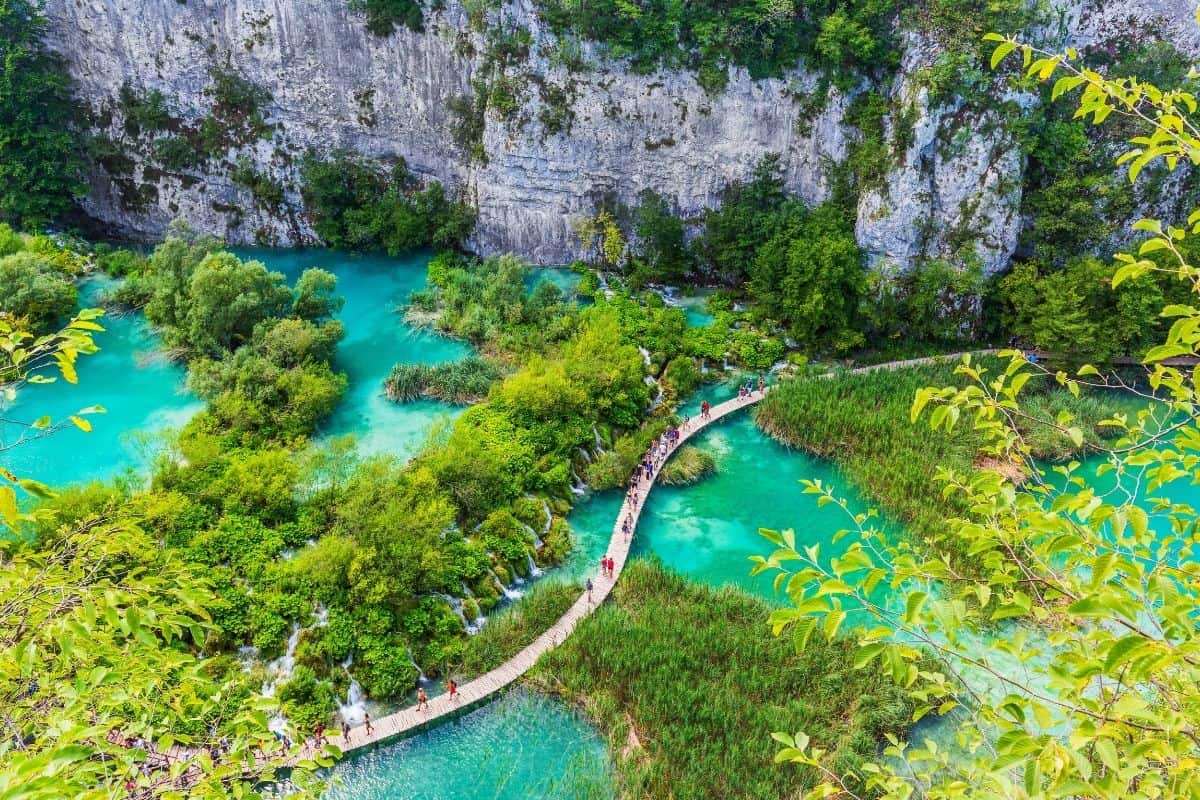
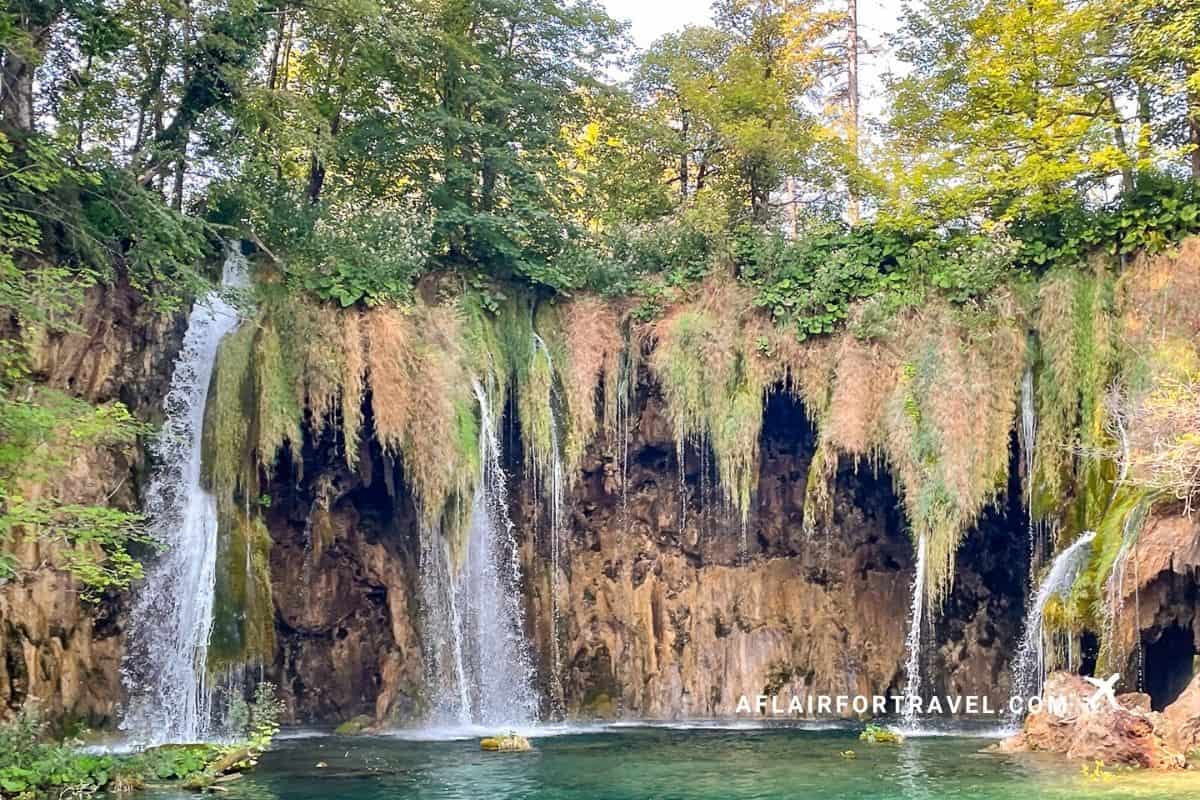
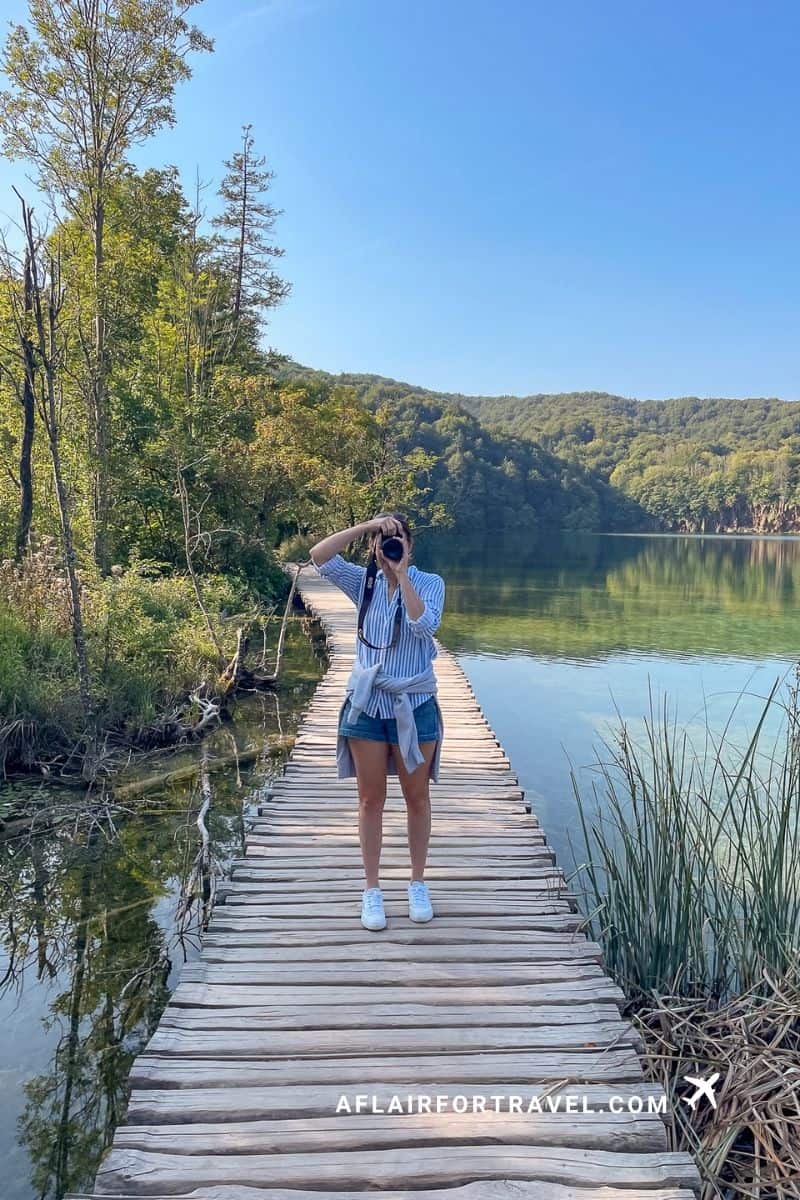
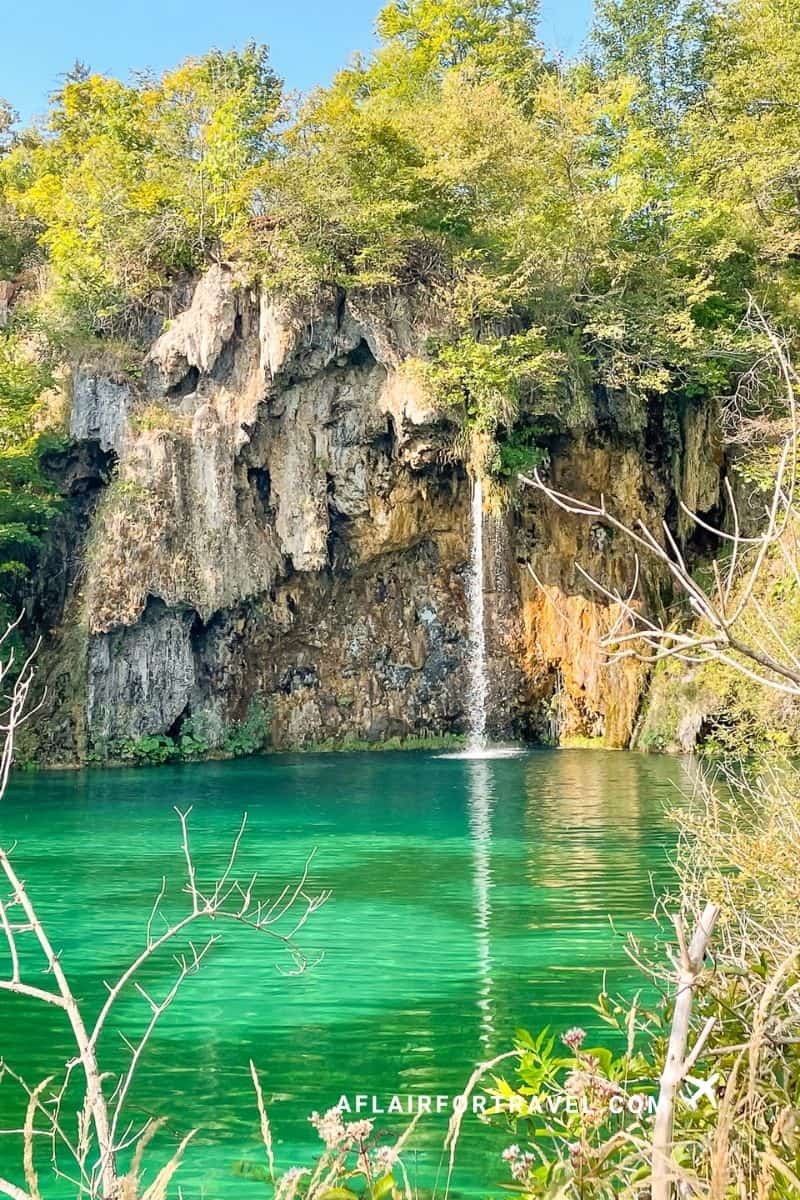
We found September to be a great month to visit Plitvice Lakes National Park, a UNESCO World Heritage Site. Early in the month you’ll still see plenty of green, but by the latter half, the first hints of fall color start to appear.
This area will tend to be cooler than the coastal ones, especially in the morning and later in the day. If you can get to the parks right when they open, you can avoid a lot of the crowds, and the temperatures will be ideal for exploring the trails.
Best things to do in Plitvice Lakes National Park:
- Walk the Upper Lakes – This is the less busy portion of the park.
- Explore the Lower Lakes – The more popular section where you’ll find Veliki Slap, Croatia’s tallest waterfall
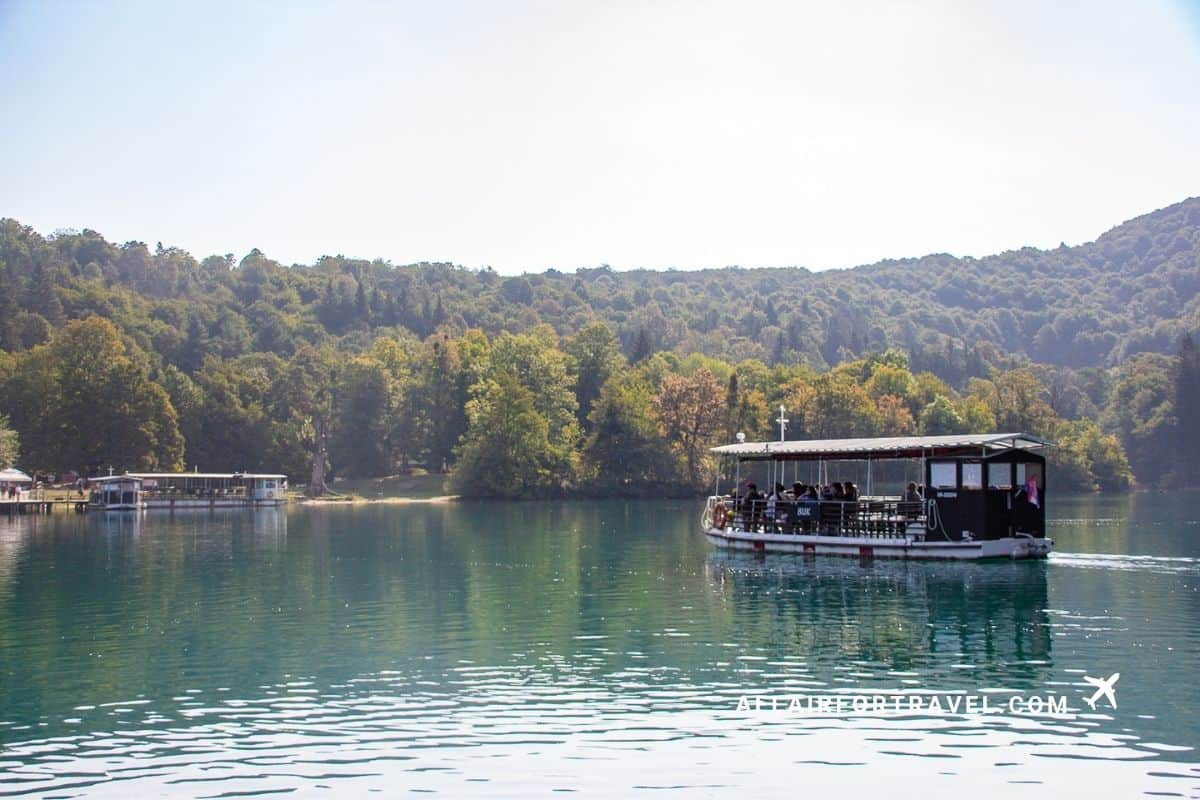
- Take the park’s electric boat – This connects the upper lakes to the lower lakes
- Sign up for a guided tour – If you’d like more information about the lakes rather than wandering around aimlessly, you can sign up for a guided tour like this one.
Pro Tip:
If you plan to visit Plitvice Lakes National Park, we recommend staying at on of the on-site hotels. We stayed at Hotel Jezero which included admission to the park for a day. One of the main entrances to the park is located within walking distance, right behind the hotel. We were able to avoid the crowds at some of the other entrances and enjoy a more leisurely walk through the park.
Istria


Istria is probably one of our favorite parts of Croatia. If food and wine are part of why you travel, September is an especially good time to be in Istria.
The coastal towns are a little quieter, and the beginning of harvest season means the vineyards and olive groves are full of activity. This is also the time of year when truffle hunters and their dogs start scouring the forests.
Best things to do in Istria:
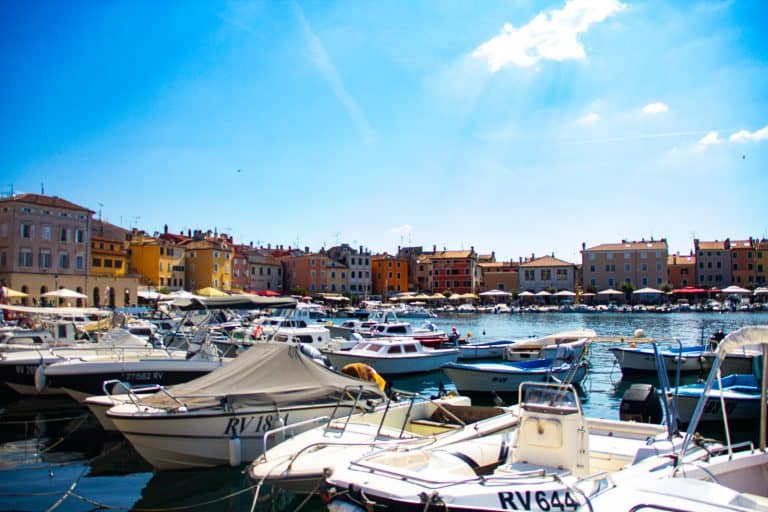
- Explore Rovinj – Beautiful waterfront city with a pedestrian-only old town full of restaurants, shops and a stunning waterfront area.
- Visit the hilltop town of Motovun – Medieval town in central Istria
- Explore Pula Arena – Located in Pula, the largest city in Istria
- Go truffle hunting or enjoy a truffle-focused meal – One of our favorite tours in Croatia. Very informative and the food was fantastic. You can check availability for the tour we did here.
- Visit local wineries and olive oil producers – There are many in the area, but we visited Meneghetti Wine Hotel.


How Many Days Do You Need in Croatia?
How much time you need depends entirely on what you want to see, but here’s a quick idea:
- 5 days — A single-region trip, like Dubrovnik plus nearby islands.
- 7 days — Enough for Dubrovnik and Split together, possibly a third destination
- 10–14 days — Room to add islands, Plitvice, or Istria.
We have a great guide that’ll help you decide how much time you should spend in Croatia:
→ Is Croatia Worth Visiting for a Week or More? 12 Itinerary Ideas
Tips for Visiting Croatia in September
Book Hotels in Advance for Early September
Early September can still be very busy all over Croatia. Book as far ahead as possible if you want your preferred hotel and room category. You can check hotel availability here.
Check Ferry Schedules in Advance
Ferries may run on reduced schedules, and some routes may not run at all, especially later in the month. Always confirm before finalizing plans. You can check ferry schedules here.
Don’t Pack Exclusively for Summer Weather
Even with warm daytime temperatures, mountainous and inland areas can be much cooler, especially in the morning. Be sure to pack a light jacket or sweatshirt, just in case.
Don’t Assume Every Beach Club Will Be Open
Once cooler weather arrives, beach clubs start to close for the season. Reach out ahead of time to double check if you have your heart set on a specific one.
Have a Backup Plan for Rainy Days
This isn’t really an issue for early September since it tends to stay dry, but rain becomes more frequent by the end of the month. If you’re faced with a rainy day while you’re there, schedule a wine tasting or food tour instead. These are great fallbacks if weather doesn’t cooperate.
What to Pack for Croatia in September
What you pack for Croatia in September depends quite a bit on when you’re visiting and where you’re going.
Early September can still be just as hot as July and August along the coast, while late September starts to cool down in the evenings with more chance for rain.
Things to Pack For Early September:
- Swimsuit – You’ll still have plenty of opportunities for swimming, especially along the Dalmatian Coast and on the islands.
- Sandals – Great for the beach, but bring a sturdier pair of shoes for walking around town
- Lightweight clothing – Pack breathable shirts, shorts, dresses, and other warm-weather clothes for daytime.
- Sun protection – Sunscreen, sunglasses, and a hat are still essentials. The sun can be really strong, especially when you’re spending time on the water.
- Light layer – Even if you’re expecting hot weather, a lightweight shirt or sweater can be useful for evenings or air-conditioned restaurants.
For Late September, Add a Few Layers:
- Light sweater or sweatshirt – Evenings can start to feel much cooler, especially inland and in northern Croatia.
- Long pants – Nice for cooler mornings, nights, and days when temperatures aren’t as warm.
- Light jacket – A lightweight jacket is a good option for evenings and cooler days without taking up much room in your luggage.
- Compact rain jacket – Late September might see some rain, and having a packable waterproof jacket is much easier than carrying a bulky coat.
- Closed-toe shoes – You’ll want to have something more substantial than sandals if the weather turns cool or wet.
If you’re traveling throughout Croatia, rather than sticking to the coast, we recommend packing for a wider range of conditions.
Dubrovnik, Split, and the islands can stay very warm well into September, but places like Plitvice Lakes and Istria can feel much cooler, particularly in the morning and evening.
One thing that applies no matter when you go: pack comfortable shoes. Croatia’s Old Towns are full of uneven stone streets, polished steps, and stairs, and you’ll probably do a lot more walking than you might think.
This is not the trip to break in a new pair of shoes, so bring something you’ve already worn comfortably for hours.
Answering Your Questions About Croatia in September
Is September a good time to go to Croatia?
Yes, September is a great time to visit Croatia. You’ll find that the weather and water is still warm, crowds are lighter than July and August, and most services are still open.
Can you sunbathe in Croatia in September?
Yes, especially early in the month, when daytime temperatures can still get very hot.
Can you swim in Croatia in September?
Yes. Sea temperatures are still comfortable for swimming through most of the month, but the earlier weeks are the more reliable bet since temperatures start to dip by late September.
More Croatia Travel Guides
Planning Guides
- Best Time to Visit Croatia: The Ultimate Seasonal Travel Guide
- Croatia in Winter: Complete Travel Guide for December to February
- Croatia in Spring: Complete Travel Guide for March to May
- Croatia in Summer: Complete Travel Guide for June to August
- Croatia in Fall: Complete Travel Guide for September to November
- A Traveler’s Guide To Tipping In Croatia In 2026
Destination Guides
- 21 Things to Know About Dubrovnik for First-Time Visitors
- How Many Days in Dubrovnik is Enough? Ideas for 1 to 5 Days
- Where To Stay In Dubrovnik: 8 Area Guide For Every Traveler
Food & Experiences
- 11 Best Dubrovnik Restaurants with a View
- One Day in Dubrovnik: 5 Curated Itineraries for Every Travel Style
- Walking The Dubrovnik City Walls – A Traveler’s Guide 2026
- 7 Luxury Things to Do in Dubrovnik Plus Affordable Alternatives
- 17 Free Things to Do in Dubrovnik (That Still Feel Luxurious)
- 6 Best Islands Near Dubrovnik (Plus Stunning Coastal Spots)
- Island Day Trips From Dubrovnik Itinerary: Your 5-Day Guide
- Split to Dubrovnik Itinerary: The Perfect 10-Day Coastal Route
Our Final Take: Visiting Croatia in September
So, there you have it, everything we learned about Croatia in September.
The main thing to plan around is what is most important to you. Early September is a safer bet for beach weather, but late September trades a little weather certainty for lower prices and fewer crowds.
Regardless of what you decide, September is a perfect time to visit, and we have no doubt that you’ll have a great time.
If you have any questions about planning a trip to Croatia in September, let us know.
Talk soon!