Croatia in Winter: Complete Travel Guide for December to February
If you’re considering a visit to Croatia in the winter, there are some things you need to know!
Winter in Croatia reveals a completely different side of this country that’s known mainly for it’s beautiful islands and stunning coastline.
From magical Christmas markets and festive celebrations to authentic cultural experiences and budget-friendly travel, the coldest months offer unique rewards for travelers willing to embrace the off-season.
Here’s your complete guide to visiting Croatia during the enchanting winter season.
A Flair For Travel contains affiliate links and is a member of the Amazon Services LLC Associates program. We may earn a commission from any purchases you choose to make from our links, at no additional cost to you. For more information, please refer to our privacy policy.
Visiting Croatia in Winter
While Croatia is best known for its sun-soaked islands and stunning Adriatic coastline, winter brings a completely different side of the country.
From festive Christmas markets to snow-covered national parks, visiting Croatia in winter offers a more relaxed, authentic experience. With fewer crowds, lower prices, and a cozy, festive atmosphere, winter is the perfect time to explore Croatia’s culture, history, and seasonal festivities.
December: Festive Winter Magic
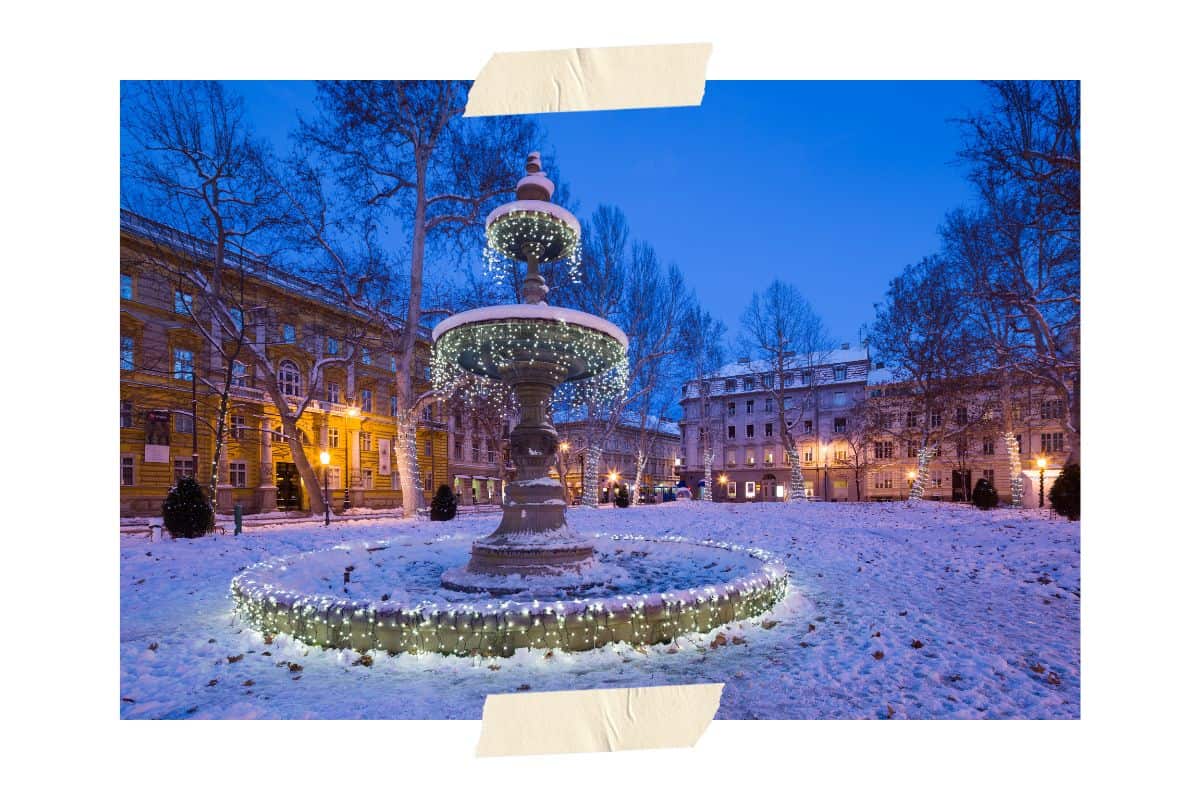
Visiting Croatia in December offers a festive atmosphere, particularly in the inland cities. Many coastal areas and islands tend to be quiet with many tourist services closed for the winter.
However, cities like Zagreb, Dubrovnik, Rijeka, and Osijek light up with holiday decorations, cultural festivities, and vibrant Advent markets.
Weather
December is the beginning of winter, bringing cool to cold weather across the country. Rain is more common than snow on the coast, and the sea is too cold for swimming. Inland areas can see temperatures dip below freezing, especially at night, and snowfall is possible, particularly in higher elevations.
- Temperatures – December temperatures average between 5°C (41°F) to 12°C (54°F).
- Rainfall – December’s rainfall averages 50–140 mm (2–5.5 inches) for the month.
- Sunshine Hours – December has about 3-5 sunshine hours per day.
- Daylight Hours – There are approximately 8-10 hours of daylight per day.
- Sea Temperature – Water temperatures are a chilly 13°C to 15°C (55°F to 59°F).
Crowds
December is quiet in Croatia except in cities that host Advent and Christmas markets. Coastal places like Dubrovnik, Split, and the islands see very few visitors, with many hotels, restaurants, and tourist services either closed or operating on limited hours.
Events and Festivals
December is a festive time with Christmas markets and Advent celebrations. Many towns have St. Nicholas Day celebrations, and some coastal areas have traditional customs like klapa singing and nativity plays.
- Advent in Zagreb – Advent in Zagreb is a reknowned Christmas market that features many outdoor events including ice skating, concerts, and markets.
- Dubrovnik Winter Festival – The Dubrovnik Winter Festival turns the city into a festive celebration with a Christmas fair on Stradun. It features ice skating and concerts.
- Christmas in Split – Christmas in Split is a Christmas market with live music and other entertainment.

Top Tips For Visiting In December
December can be a magical experience. If you plan to visit the coast, be aware that many island ferries, restaurants, and hotels operate on limited schedules or close entirely for the season.
Be sure to check event calendars in advance, especially for Christmas and New Year’s celebrations, and consider booking accommodations near city centers where most holiday activities take place.
What To Pack
- Warm Winter Coat – You’ll want an insulated and windproof coat, especially for inland areas.
- Sweaters and Thermal Layers – Layers are great for dealing with varying weather.
- Gloves, Hat, and Scarf – These items are essential for mornings and evenings, especially in northern regions.
- Waterproof Boots or Insulated Shoes – You’ll want some kind of waterproof shoes for walking in wet or possibly snowy conditions.
- Warm Socks – Wool or thermal socks are ideal for cold days.
- Umbrella or Compact Rain Poncho – You’ll want a raincoat or umbrella especially if you’re visiting the coast.
Where To Go
- Zagreb – Zagreb has been voted multiple times as “Europe’s Best Christmas Market”. You’ll find things such as Advent in Zagreb, ice skating, mulled wine, live music and festive food stalls.
- Rijeka – Rijeka is another town that embraces the holiday season. Visitors can experience holiday markets, Christmas concerts and views of Kvarner Bay without the crowds.
- Osijek – The charming city of Osijek is located in Slavonia. Its strong holiday spirit includes traditional Advent events, local food specialties and winter walks by the Drava River.
- Split – Split’s holiday celebration includes festive lights along the Riva promenade, a Christmas fair and cultural events in Diocletian’s Palace.
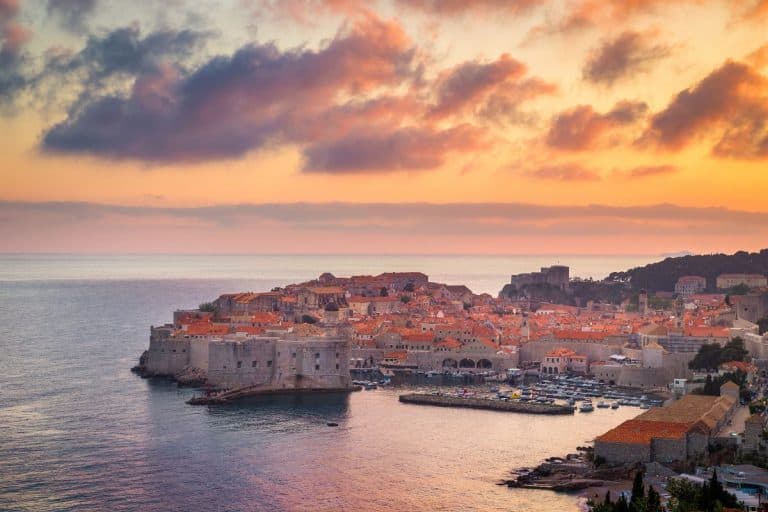
- Dubrovnik – As if Dubrovnik didn’t already have a plenty of reasons to visit, add the Dubrovnik Winter Festival, music performances, and a beautifully decorated Old Town to the list.
Know Before You Go
- Plan Around Holiday Closures – Christmas Eve (Dec 24), Christmas Day (Dec 25), and New Year’s Day (Jan 1) are national holidays, so expect shops, museums, and restaurants to close or have limited hours. Make reservations for holiday meals if dining out.
- Visit Cities for the Best Experience – In December, inland cities like Zagreb, Rijeka, and Osijek are the most festive, thanks to Advent and Christmas markets. Zagreb’s Advent is especially popular, offering food stalls, music, ice skating, and festive lights throughout the city.
- Pack for Cold and Wet Weather – Temperatures can dip close to or below freezing inland, and rain is common along the coast, so pack warm layers, waterproof shoes, and a good coat. Snow is possible in higher elevations and northern cities.
January: Winter Wonderland & Authentic Experiences
January is the height of winter in Croatia. Cities and towns that are normally bustling with activity during the summer months will be very quiet at this time of year and prices will be at their lowest.
The inland region is one of the best places to visit in January especially if you enjoy skiing. Many of the cities and towns turn into winter wonderlands including Zagreb. It’s a great time for winter activities including skiing and ice skating.

Weather
The weather in January will vary significantly between the coast and areas further inland. The coast will have milder temperatures with more rain while the inland regions will be colder and more likely to see snow.
- Temperatures – Temps will average between 5°C (41°F) to 10°C (50°F) with the milder temperatures being along the coastal areas.
- Rainfall – The average rainfall for the country is 30-66mm (1.2 to 2.6 inches).
- Wind – January is subject to very high winds, known locally as bura. The bura wind typically affects areas along the coast such as Dubrovnik and can vary in strength.
- Sunshine Hours – Croatia generally sees an average of 3-4 hours of sunshine in January. You may see more in the coastal areas or less further inland.
- Daylight Hours – Typically, January will have between 9 and 10 hours of daylight.
- Sea Temperature – Sea temperatures will average between 14°C to 15°C (57°F to 60°F).
Crowds
Most of the country sees a significant drop in visitors after the holiday season, making it an excellent time for travelers seeking a peaceful, crowd-free experience.
Popular destinations like Dubrovnik, Split, and Plitvice Lakes are noticeably calmer, with many tourist hotspots nearly empty compared to the summer months.
While some attractions may have limited hours or be closed for the season, the lack of crowds offers a more authentic and relaxed glimpse into local life.
Events and Festivals
January is a quieter month for tourism in Croatia but it still offers a few notable events. The New Year kicks off with festive celebrations in major cities like Zagreb, Split, and Dubrovnik, often featuring fireworks, live music, and local food.
I can definitely think of worse places to start off my New Year. Here are some other notable events:
- Epiphany – In some regions, especially in northern and coastal towns, traditional celebrations tied to Epiphany (January 6th) take place including processions and religious ceremonies.
- Rijeka Carnival – The most notable event in January is the Rijeka Carnival. It takes place annually between mid-January and mid-February in Rijeka. The dates vary from year-to-year so be sure to check prior to making your travel plans. The carnival is filled with parades and other entertainment.

Top Travel Tips For Visiting In January
Even though January isn’t peak season in Croatia, visiting in the low season comes with its own set of considerations. Here are some essential travel tips if you decide to visit in January.
What To Pack
- Warm Clothing – You’ll definitely want to pack layers of clothing to account for inland and coastal areas if visiting both. This includes a warm coat, gloves, hat, scarf and insulated shoes or boots.
- Rain Gear – If you anticipate spending a lot of time outdoors, a rain jacket and umbrella will be essential. Another great option is a poncho. If you’re using a backpack, a poncho can not only keep you dry but your backpack too.
- Waterproof Backpack – We highly recommend investing in a waterproof backpack. This will help to keep all your important items such as camera equipment and phones safe and dry.
Where To Go
- Plitvice Lakes National Park – Plitvice Lakes turns into a winter wonderland this time of year. The snow-covered trails are great for snowshoeing and the frozen waterfalls make for an amazing sight.
- Zagreb – Zagreb is a great place to visit in the winter especially if you’re into skiing. There are a few ski resorts just outside the city. After a day on the slopes, you can stroll the city at night, ducking into a cozy restaurant for some Croatian comfort food and drinks. You’ll be warm before you know it!
Know Before You Go
- Book Hotels In Advance For Carnival and Skiing – Although January is the off-season, you’ll want to book your hotel in advance if you plan to visit during the Rijeka Carnival. The same is true for hotels near the ski resorts.
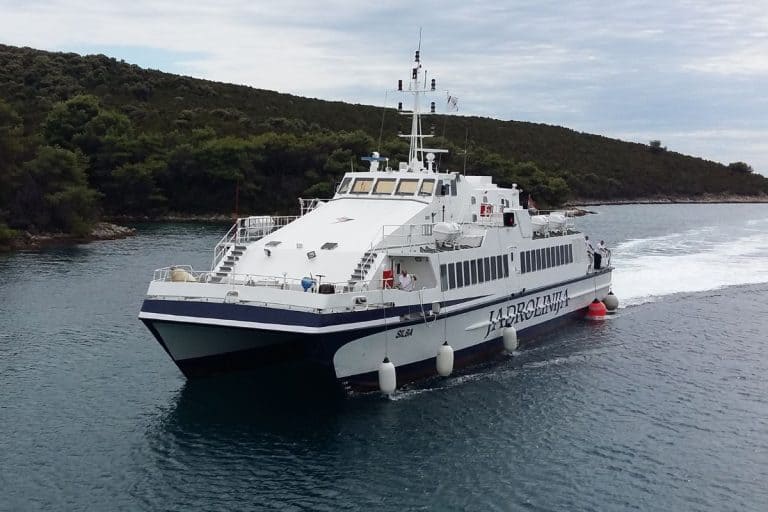
- Limited Ferry Service – Many ferries don’t operate during the winter months. Those that do will probably have reduced schedules. It’s best to check the schedules prior to making travel plans. You can check here.
- Limited Services – Many hotels and restaurants close for the off-season, especially those located in seaside resort areas.
- Check Heating For Accommodations – While newer hotels and buildings may have a decent heating system, some older hotels and apartments may not. Be sure to inquire about this prior to booking your accommodations.
February: Carnival Season & Valentine’s Escapes
February is a quiet yet surprisingly festive time to visit Croatia. Winter is still in full swing, especially in inland areas, but the country begins to show signs of life with the arrival of carnival season, most notably in Rijeka.
Coastal towns like Split and Dubrovnik are still quiet, offering a more authentic, crowd-free experience.. February can be a rewarding time to visit Croatia. You just need to be prepared for colder weather and a quiet atmosphere.
Also, Valentine’s Day is a nice time to visit Croatia. There are many romantic, boutique hotels throughout the country, perfect for a long weekend!

Weather
February weather in Croatia varies significantly depending on the region. In the inland areas, including Zagreb and the northern regions, winter is still in the air with cold temperatures, occasional snowfall, and overcast skies.
Even though it’s not beach weather, February’s cool temperatures make it ideal for sightseeing without the crowds.
- Temperatures – February sees a very slight increase in temperatures, averaging 8°C (46°F) to 11°C (52°F). Again, the milder temperatures will be along the coast.
- Rainfall – The rainfall in February usually increases slightly from January with an average of 38-71mm (1.5 to 2.8 inches).
- Wind – The bura wind will continue throughout February. Even though the temperatures along the coast are milder, it will feel much colder because of the intensity of the wind.
- Sunshine Hours – February averages 4-5 hours per day.
- Daylight Hours – There’s around 10 daylight hours each day.
- Sea Temperatures – Water temperatures will average between 12°C to 15°C (54°F to 59°F)
Crowds
February is still part of Croatia’s low season, so you can expect minimal crowds across most of the country. Popular spots like Dubrovnik, Split, and Plitvice Lakes are much quieter than in spring or summer.
Many coastal towns feel almost sleepy, with some restaurants and attractions operate on limited hours or closing entirely for the season.
There are a few exceptions such as cities like Rijeka which draw larger local crowds during carnival. Overall, February is ideal for travelers who value fewer tourists and a slower pace.
Events and Festivals
While February may not be packed with events like the summer months, it does have its festive moments, especially in carnival hotspots like Rijeka. It offers a fun and culturally rich experience for winter travelers.
- Rijeka Carnival – The Rijeka Carnival will continue throughout February with more parades, parties and masked balls.
- Feast Of St. Blaise – The Feast of St. Blaise takes place in Dubrovnik on February 3rd. This cultural event is on UNESCO’s Intangible Cultural Heritage of Humanity list and includes street dancers and concerts along with lots of food!

Top Travel Tips For Visiting In February
Traveling in the off-season comes with its own considerations whether it’s limited ferry schedules or unpredictable weather. To help you make the most of your trip, here are some essential tips for navigating Croatia in February.
What To Pack
- Warm Clothing – You’ll still want to pack warm layers including standard winter gear like parkas, hats, gloves and scarfs. Don’t forget waterproof insulated hiking boots if you plan to be outdoors.
- Rain Gear – If you’re visiting anywhere along the coast, be sure to pack some good rain gear including a jacket and rain boots. You may also want to consider rain pants.
- Waterproof Backpack – A waterproof backpack is an essential item when traveling to Croatia in the winter. Not only will it protect your important items in the rain but it will also protect them from the snow if you go further inland.
Where To Go
- Plitvice Lakes National Park – Plitvice Lakes is still a great place to visit in February. The snow-covered lakes and frozen waterfalls are stunning. It’s a perfect place to be especially if you’re into photography.
- Zagreb, Split & Zadar- Many hotels and restaurants offer Valentine’s Day specials. It’s a great time to take advantage of the off-season prices in places such as Split, Zadar and Zagreb.
- Dubrovnik – Dubrovnik comes to life in the middle of winter with the Feast of St. Blaise. If you visit on February 3rd, you’ll be rewarded with a lively atmosphere, live music, street dancers and more!
Know Before You Go
- Book Hotels Early – You’ll definitely want to book your hotels in advance if you plan to visit during the Rijeka Festival, Valentine’s Day or the Feast of St. Blaise. Keep in mind that many hotels close during the off-season so available rooms will be even more limited during these events.
- Make Restaurant Reservations In Advance – Similar to hotels, many restaurants close during the off-season. It’s best to make reservations in advance if you visit during the festivals or other events and holidays.
- Limited Ferry Service – Ferries will still be operating with reduced schedules in February. Some don’t operate at all so be sure to check the schedules prior to making your travel plans.
Why Winter is Special in Croatia
With the peak tourist season in the rearview mirror and the next one several months away, winter offers unique advantages that make it one of the most authentic times to visit. Here’s a quick look at some of the things that make visiting in winter so special.

Authentic Cultural Experiences
- Interact with locals without tourist barriers
- Experience traditional festivals and celebrations like Rijeka Carnival
- Explore museums, galleries, and historic sites at your own pace
- Enjoy cozy cafés and restaurants with genuine local atmosphere
Budget Benefits
- Significant savings on accommodations (60-80% off peak prices)
- Lowest flight costs of the year
- Restaurant prices at local levels
- Best deals on car rentals and tours
Winter-Specific Activities
- December: Magical Christmas markets and Advent celebrations
- January: Winter sports, snow-covered national parks, authentic local life
- February: Carnival celebrations, romantic Valentine’s getaways
Weather Advantages
- Mild compared to northern Europe – perfect for city exploration
- Dramatic winter landscapes in national parks
- Clear, crisp days ideal for photography
- Cozy indoor experiences in cafés and cultural sites
Not Sure if Croatia in Winter is Right For You?
Croatia in winter isn’t for everyone but it can be a perfect choice depending on your travel style. If you’re looking for beach days and island hopping, winter might fall short, as many coastal resorts and ferry lines scale back or shut down.
If you’re still trying to decide which season is best for you, check out our other posts which go into more detail about other seasons in Croatia.


FAQ: Winter Travel in Croatia
If you’re thinking of traveling to Croatia in winter, you’ll likely have a lot of questions during the planning phase. Hopefully, we’ve answered a lot of them already but, just in case, here are some answers to some frequently asked questions.
Is it worth going to Croatia in winter?
If you’re willing to embrace the colder weather and less available services, it’s worth visiting Croatia in the winter. This is especially true if you plan to visit during the holidays since many cities and towns will be lively and festive with Christmas and New Year’s celebrations.
Can you still visit islands in winter in Croatia?
Ferry service to islands is very limited in winter months, with some routes not operating at all. Check schedules well in advance and be prepared for potential weather-related cancellations.
What should I expect from Croatia accommodations in winter?
Many coastal hotels and restaurants close entirely for the season. Book accommodations in advance, especially during festivals, and confirm heating systems are adequate.
Are attractions still open in winter in Croatia?
Major museums and cultural sites in cities like Zagreb and Split remain open year-round, but many coastal attractions operate on reduced hours or close entirely. National parks remain accessible but with limited facilities.
More Croatia Travel Guides
- 11 Best Dubrovnik Restaurants with a View
- 11 Best Day Trips From Dubrovnik Without a Car
- One Day in Dubrovnik: 5 Curated Itineraries for Every Travel Style
- Walking The Dubrovnik City Walls – A Traveler’s Guide 2026
- 7 Luxury Things to Do in Dubrovnik Plus Affordable Alternatives
- 17 Free Things to Do in Dubrovnik (That Still Feel Luxurious)
- Where To Stay In Dubrovnik: 8 Area Guide For Every Traveler
- Best Time to Visit Croatia: The Ultimate Seasonal Travel Guide
- Croatia in Spring: Complete Travel Guide for March to May
- Croatia in Summer: Complete Travel Guide for June to August
- Croatia in Fall: Complete Travel Guide for September to November
- 6 Best Islands Near Dubrovnik (Plus Stunning Coastal Spots)
- Island Day Trips From Dubrovnik Itinerary: Your 5-Day Guide
- Split to Dubrovnik Itinerary: The Perfect 10-Day Coastal Route
- 21 Things to Know About Dubrovnik for First-Time Visitors
- How Many Days in Dubrovnik is Enough? Ideas for 1 to 5 Days
Our Final Take: Croatia in Winter
Winter in Croatia tends to be a much more authentic experience. Whether you’re exploring Zagreb’s twinkling Christmas markets, experiencing the energy of Rijeka’s carnival, or finding solitude in snow-covered Plitvice Lakes, winter offers experiences unavailable during any other season.
The key to successful winter travel is embracing what the season offers rather than expecting summer experiences.
Pack warm, plan around reduced services, book accommodations carefully, and prepare to discover the genuine Croatia when the crowds have gone home.
Whether it’s the dramatic savings or the authentic cultural immersion, there are significant rewards and that makes winter one of Croatia’s best-kept secrets.
Talk soon!
Found this helpful? Save it to Pinterest for your Croatia trip planning!