
A Traveler’s Guide To Tipping In Croatia In 2026
Not sure how tipping works in Croatia? Don’t worry, we’ve got your guide!
Tipping is one of those small travel details that’s easy to forget about when planning a trip abroad.
Most of us focus on booking flights, hotels, and tours, but gratuities can add up quickly and end up being part of your overall travel budget.
To help you plan ahead, we’re going to tell you what to expect when it comes to tipping in Croatia based on our recent visit.
Plan Your Trip With Our Favorite Resources
– Best accommodation site: Booking.com
– Book day tours here: Viator.com
Quick Tipping Overview
Tipping in Croatia isn’t required, but knowing the local customs can save you some awkward situations. From restaurants to taxis and tours, here’s a simple guide based on our recent trip.
What We’ll Cover:
- Restaurants & cafés: How much to leave and when
- Taxis: Rounding up vs. exact fare
- Tour guides: What’s customary for a great tour
- Hotel staff: Housekeeping, luggage help, and more
- Insider tips: What locals told us about off-season reliance on tips
What You Need to Know About Tipping in Croatia Before You Go
Tipping isn’t required in Croatia, but it’s becoming more common, especially in popular spots like Dubrovnik, Split, and many of the nearby islands. It’s generally just a way to say thanks for good service.
One thing we learned from a local tour guide is that many hotels, restaurants, and tour companies in the main tourist areas shut down during the off-season.
Because of that, a lot of workers rely on the tips they earn during the busy summer months to help get them through the quieter winter season.
We also have to mention that the service we experienced throughout our trip was fantastic. Everyone we met was friendly, helpful, and genuinely welcoming, which made tipping feel like a natural way to show our appreciation.
A Quick Note About Croatia’s Currency
Before we dive into the specifics, we want to quickly mention that effective January 1, 2023, the euro became the official currency of Croatia, replacing the kuna.
This is helpful for anyone that may be traveling to nearby countries such as Slovenia and Montenegro which also use the euro. You’ll no longer need to carry two types of currency.
There are many websites that allow you to check the conversion rate between currencies. including this one.
Tipping Etiquette in Croatia: Who to Tip and What’s Appropriate
As in many other countries, it’s customary to tip certain service providers in Croatia, such as servers, bartenders, taxi drivers, tour guides, and hotel staff.
However, expected tipping amounts might differ slightly from what is customary back home.
To help you navigate this, we’ve put together a quick guide outlining who you’re likely to encounter during your trip and what gratuity is typically appropriate for each.
|
SERVICE PROVIDER |
RECOMMENDED GRATUITY |
|---|---|
|
Restaurant Servers |
10-15% |
|
Cafes |
Round up to nearest dollar or 5% |
|
Hotel Porters |
A few euro for bringing multiple items to your room |
|
Housekeeping |
A few euro |
|
Taxi Drivers |
Round to the nearest whole for shorter trips or 5-10% for longer journeys |
|
Private Drivers |
For airport transfers, 5-10 euro per person each way |
|
Bartenders |
Round up to nearest dollar or 5 |
|
Tour Guides – Shared |
5 euro per person for a half day tour |
|
Tour Guides – Private |
10 to 15 euro per person for a half day tour 20 to 25 euro per person for a full day tour |
|
Charter Boat Crew |
5-15% |
Restaurants and Cafes

Tipping at cafés in Croatia differs slightly from tipping at restaurants.
Since cafés are typically more casual, a modest tip is standard and rounding up to the nearest whole euro or leaving about 5% is usually sufficient.
An exception might be if you’re with a larger group or the bill is higher than usual.
For more formal dining experiences with full table service, a tip between 10% and 15% is appropriate.
While 10% is the most common, we recommend tipping closer to 15% for exceptional service or when dining at upscale restaurants.
Hotels
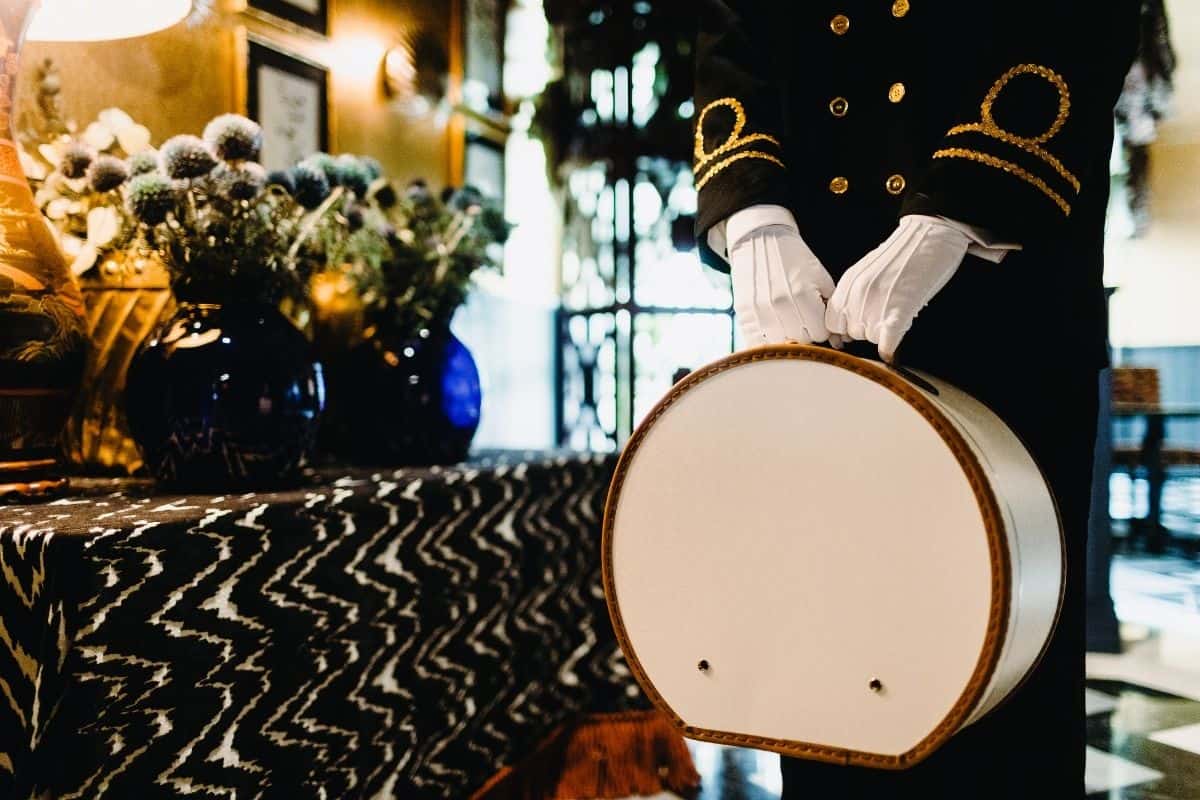
At hotels in Croatia, tipping isn’t mandatory but is appreciated for certain services. You may want to tip the porter a couple of euros per bag, especially if they help with heavy luggage.
You can tip housekeeping staff a few euros per day particularly if you’re staying multiple nights or receive exceptional service.
If the concierge goes above and beyond, like securing reservations, organizing transportation, or providing personalized recommendations, a tip of 5 to 10 euros is a kind gesture.
These small tokens of appreciation can go a long way, especially in full-service hotels where staff play a key role in enhancing your stay.
Bartenders

When it comes to bartenders in Croatia, tipping is appreciated but usually modest. If you’re ordering drinks at the bar, it’s common to simply round up the bill or leave a euro or two per round.
In more casual settings, like beach bars or cafés, this is perfectly acceptable.
However, if you’re at a high-end cocktail bar or receiving particularly attentive service, such as custom drinks or table service, a tip closer to 10% is a nice way to show your appreciation.
Ground Transportation

When traveling by taxi, gratuities aren’t typically expected, however many people will round up to the nearest euro. This is usually to avoid having to make change.
For a longer journey by taxi or if your driver provides helpful information, you may want to consider giving 5-10% of the total fare.
If you’ve arranged for private transportation to or from the airport, a 5-10 euro per person tip is sufficient depending on the number of bags you’re bringing and the distance to or from the airport.
Private transportation for longer journeys will warrant a larger gratuity of around 10% of the total cost.
Tour Guides
The amount you tip your tour guide can vary depending on the type and length of the tour.
For shared tours, a good guideline is to tip around 5 euros per person for a half-day tour and 10 euros per person for a full-day tour.
If you take a private tour, you should tip a bit more. We suggest 10 to 15 euros per person for a half-day tour or 20 to 25 euros per person for a full-day tour especially if your guide provides an exceptional experience.
Sailing and Boat Tours
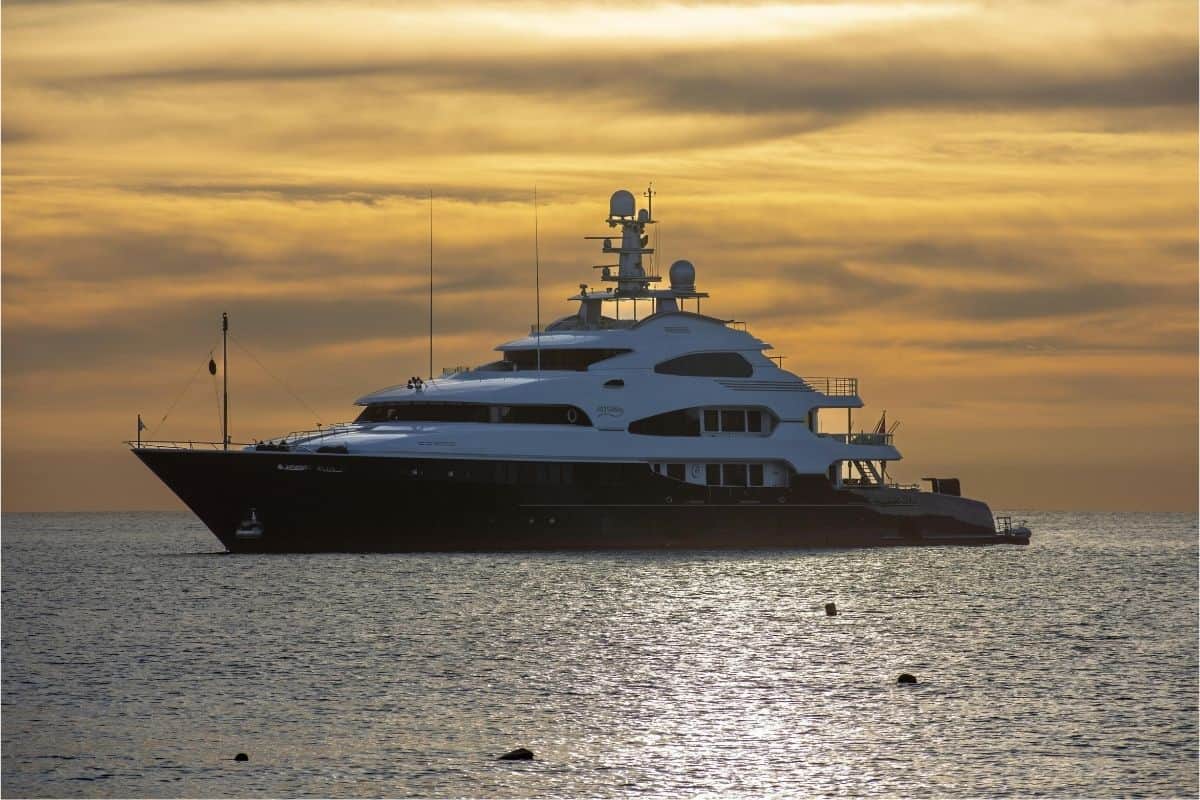
Many day trips from Dubrovnik and other parts of Croatia include boat rides, so it’s thoughtful to recognize the crew for their service.
Similar to tipping tour guides, the amount you give depends on the tour’s length and whether it’s shared or private.
For shared boat tours, you should tip 5 to 10 euros per person. This is usually sufficient but longer tours warrant a larger tip.
If you book a private charter, a gratuity of 5-15% of the total cost is recommended, based on guidelines from the Mediterranean Yachting Brokers Association.
For average service, 5% is appropriate, but if the crew goes above and beyond, a 15% tip is appropriate. Typically, tips are given directly to the captain.
When Tipping in Croatia Isn’t Required
Tipping is appreciated in many situations but there are times when it’s not expected and skipping it won’t be seen as rude.
You typically don’t need to tip for things like grabbing a coffee at the counter or picking up takeaway. You also don’t need to tip for using taxis with set fares (especially if it’s a short ride).
In casual, self-service spots or markets, a tip isn’t required, although rounding up or leaving small change is always a nice gesture if the service was friendly.
Helpful Advice for Gratuities in Croatia
Now that you know who you should or shouldn’t tip and how much is appropriate, we want to go over some helpful suggestions and things to consider when tipping in Croatia.
No Tip Line? Here’s What to Do
Unlike in the U.S., many restaurants in Croatia don’t include a designated line for adding a tip to your credit card receipt.
Instead, your server will usually bring a handheld card machine directly to your table when it’s time to pay. Some machines allow you to add a tip before completing the transaction, but not all do.
If you don’t see an option to tip, you should leave a cash tip instead.
When tipping with cash, be sure to hand the tip directly to your server rather than leaving it on the table.
A Note on Over-Tipping
When you’ve had truly exceptional service while traveling, it’s natural to want to show your appreciation and sometimes we think that means leaving a larger tip than usual.
We’ve definitely had those moments ourselves, but over time, we’ve learned to be mindful of local customs when it comes to tipping abroad.
While generous intentions are great, leaving an overly large tip can sometimes come across as showy or out of touch, especially in cultures where modest tipping is the norm.
To avoid any awkwardness or unintended offense, it’s best to stick with the local tipping guidelines mentioned above.
Carry Some Euros, Just in Case.
Most restaurants and cafés in Croatia accept credit cards, so you won’t need cash for every meal.
That said, you might run into situations where tipping by card isn’t possible, or the rare spot that’s cash-only.
It’s always smart to ask about payment options before sitting down, especially at smaller or more casual places.
It’s uncommon to find a restaurant that doesn’t take credit cards, however it is possible. We came across a few gelaterias and small vendors that were cash-only. Keeping a few euros on hand is a good backup plan.
FAQs
Tipping etiquette can vary from country to country, and Croatia is no exception. Here are some of the most common questions travelers have and what you actually need to know before reaching for your wallet.
Is it customary to tip in Croatia?
Though not mandatory, it is becoming more customary to tip in Croatia, especially in the main tourist areas.
Should you tip your tour guide in Croatia?
Yes, you should always tip your tour guide in Croatia. Typically, 5 to 10 euro per person for a shared tour and 10 to 25 euro per person for a private tour is sufficient. This will depend on the length of the tour.
Should I get euros before going to Croatia?
Generally speaking, it’s best to get euros when you arrive in Croatia rather than getting them beforehand. This is due to the unfavorable exchange rate.
However, we usually make a point to get some before we travel, especially when we’re scheduled to arrive late in the day.
If you do want to get some prior to your departure, you will need to do this at least a few days before your departure.
Our Final Take: Tipping in Croatia
To recap, tipping in Croatia, though not mandatory, is a nice way to show your appreciation for excellent service.
Whether it’s a server who happily accommodates special requests or a member of the hotel staff that recommends an excellent restaurant, a gratuity is a great way to recognize them for their efforts.
In the end, it’s experiences like this that help to make a trip memorable and, for me, that’s priceless.
Talk soon!
More Croatia Travel Guides
- 11 Best Day Trips From Dubrovnik Without a Car
- 11 Best Dubrovnik Restaurants with a View
- One Day in Dubrovnik: 5 Curated Itineraries for Every Travel Style
- Walking The Dubrovnik City Walls – A Traveler’s Guide 2025
- 7 Luxury Things to Do in Dubrovnik Plus Affordable Alternatives
- 17 Free Things to Do in Dubrovnik (That Still Feel Luxurious)
- Where To Stay In Dubrovnik: 8 Area Guide For Every Traveler
- Best Time to Visit Croatia: The Ultimate Seasonal Travel Guide
- Croatia in Winter: Complete Travel Guide for December to February
- Croatia in Spring: Complete Travel Guide for March to May
- Croatia in Summer: Complete Travel Guide for June to August
- Croatia in Fall: Complete Travel Guide for September to November
- 6 Best Islands Near Dubrovnik (Plus Stunning Coastal Spots)
- Island Day Trips From Dubrovnik Itinerary: Your 5-Day Guide