19 Essential Croatia Travel Tips for Planning Your Visit
Need some Croatia travel tips for planning your visit?
If you’re just starting to plan your trip to Croatia, you probably have a lot questions regarding the best way to structure your visit which is why we’ve put this list together.
We want to help you to avoid some of the most common missteps when putting your itinerary together.
We’ve spent a lot of time traveling around Croatia, so we compiled list of the key things first-time visitors should know and often don’t realize before they arrive.
In this guide, we’re sharing our top Croatia travel tips to help you plan your itinerary along with some advice to help you make the most of your trip.
Best Trip Planning Resources for Croatia
🚗 Renting a car from Split Airport? Find great deals on car rentals here.
🏨 Find Great Hotels in Dubrovnik – Compare hotel locations and prices here.
🌴 Explore Top Experiences & Activities on Hvar – Book popular tours before they sell out here.
🧳 Travel Insurance – Protect yourself with travel insurance.
A Flair For Travel contains affiliate links and is a member of the Amazon Services LLC Associates program. We may earn a commission from any purchases you choose to make from our links, at no additional cost to you. For more information, please refer to our privacy policy.
Top Travel Planning Tips
Croatia is, without a doubt, one of our favorite destinations in the world. That said, there’s definitely a bit of a learning curve if you’re visiting for the first time.
It’s easy to make a few planning mistakes especially when it comes to choosing where to stay, how to get around, and how much time to spend in each destination.
Let’s get started!
1. Don’t Wait to Book Accommodations for Summer Travel

If you only remember one tip from this list, let it be this one. Booking your hotels early isn’t just recommended, it’s essential. This is especially true for boutique hotels in Dubrovnik, Hvar Town, Rovinj, and Split.
Many of the accommodations throughout Croatia are smaller boutique properties with only a handful of rooms.
This means that hotels in coastal towns and islands fill up months in advance for summer stays, and last-minute options are usually limited, overpriced, or both.
Try to finalize your hotel reservations well ahead of time. You’ll have so many more choices, and you’ll probably end up saving some money too.
If you need some ideas for the best places to stay in Croatia, you may find these guides helpful:
→ Where To Stay In Dubrovnik: 8 Area Guide For Every Traveler
→ 9 Boutique Hotels in Croatia: Luxury Coastal Stays for Less
2. Build in Extra Time for Coastal Driving
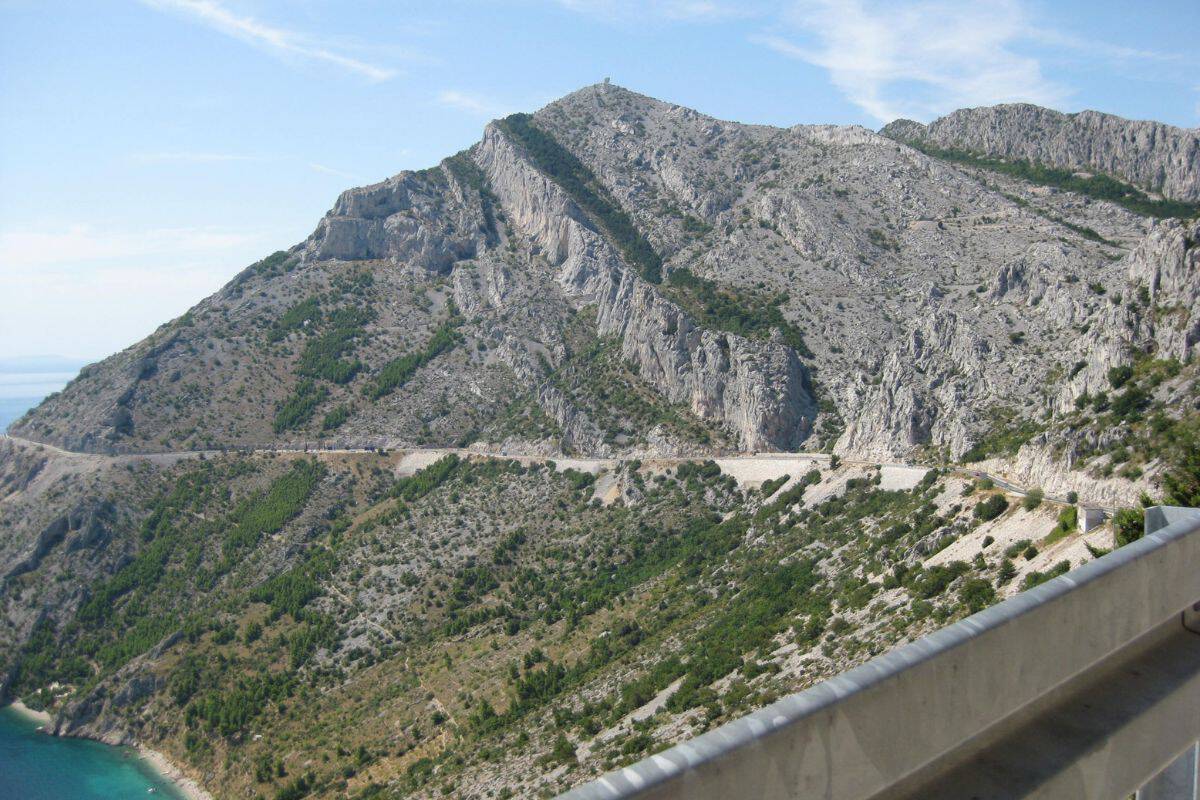
We usually like to pick up a rental car in Split or Dubrovnik and use it to explore the smaller coastal towns at our own pace.
The roads along the coast wind along cliff-sides with views of the Adriatic at every turn are really stunning.
However, these roads are sometimes narrow and are often shared with tour buses and slow-moving traffic.
If you decide to drive the coast, build extra time into your day and enjoy the scenery rather than fighting it. The drive itself is part of the experience.
If you’re planning a coastal trip in Croatia, these guides are packed with ideas:
→ 10 Small Coastal Towns in Croatia You’ll Love
→ Split to Dubrovnik Itinerary: The Perfect 10-Day Coastal Route
3. Take Ferries Whenever Possible
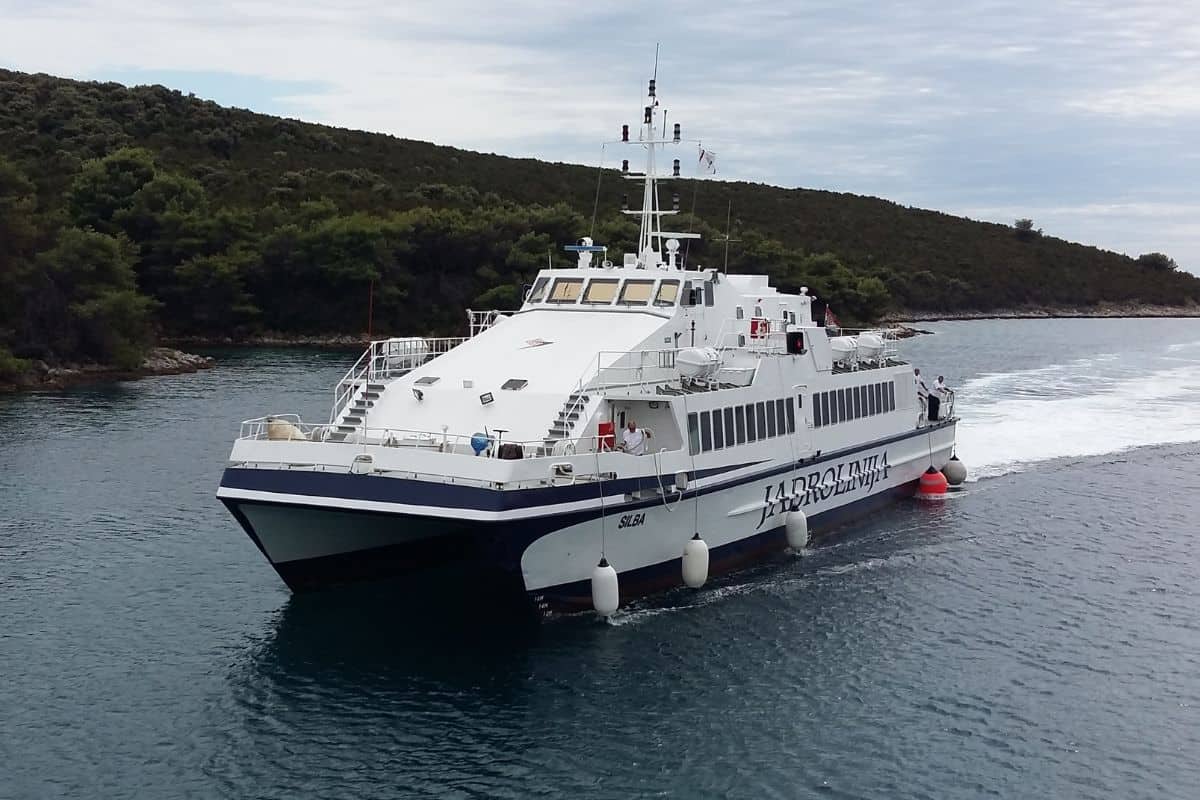
The ferry system throughout Croatia is outstanding and if you don’t take advantage of it, you’re definitely doing yourself a disservice.
Ferries are one of the best ways to get around, and honestly, they’re one of our favorite things about Croatia.
We usually do a combination of driving and ferry travel when we visit. As much as we love the flexibility of driving, sometimes it’s nice to just sit back and not have to worry about navigating or parking.
In addition, ferry travel in Croatia is extremely convenient and reliable.
Jadrolinija and Krilo are two of the main ferry operators that run routes connecting the major coastal cities and islands.
We do have a couple of tips if you’re traveling by ferry though.
First, be sure to purchase your tickets in advance during the peak season. This is the most popular way to travel during the summer months so certain sailings can sell out, especially for routes like Split to Hvar, Dubrovnik to Korčula, and Hvar to Dubrovnik.
Second, keep in mind that ferry service is much more limited outside of peak season, so check the sailing schedules before finalizing your travel plans.
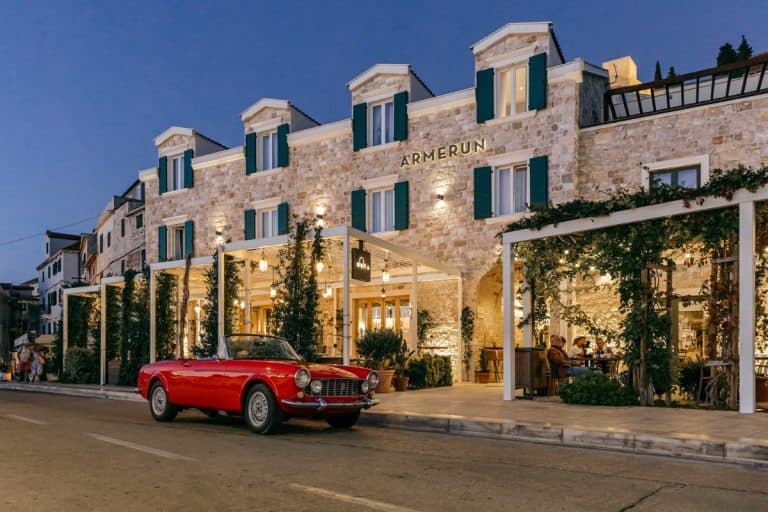
4. Stay in Historic Boutique Hotels Whenever Possible
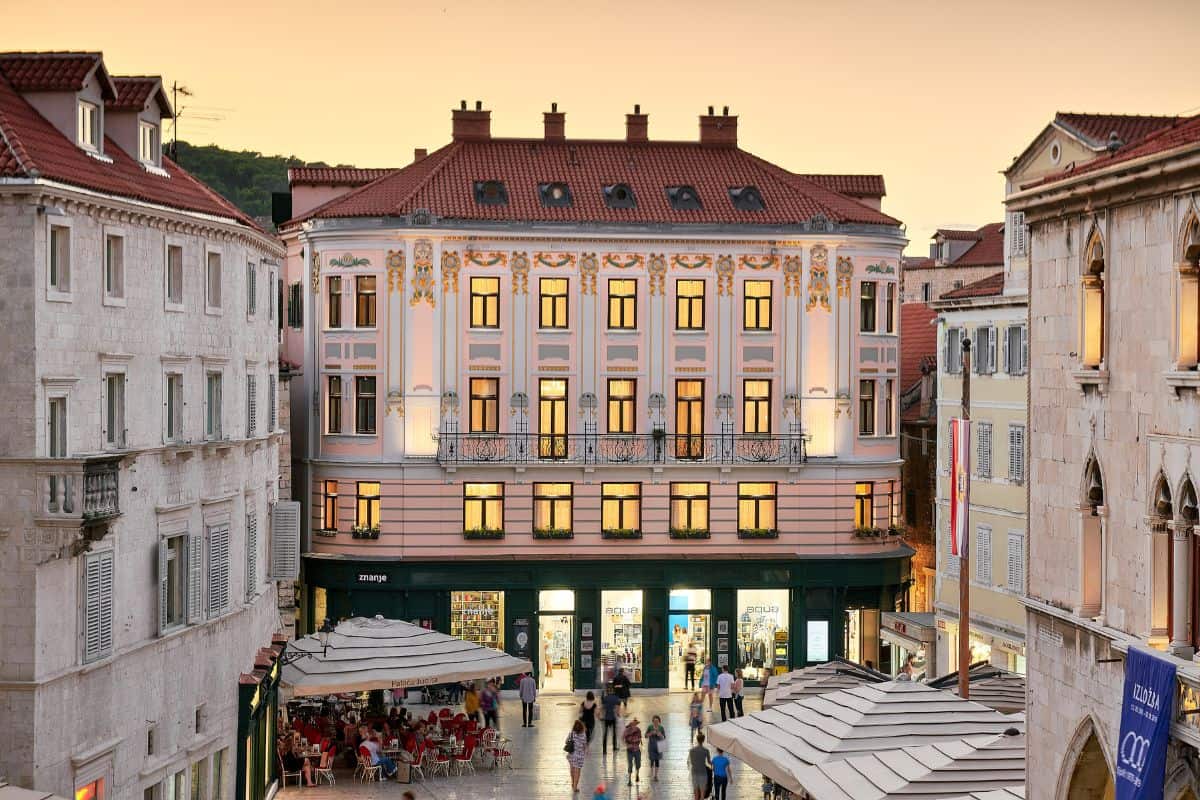
One of the many great things about Croatia is its extensive list of boutique hotels, including many that are set inside beautiful, historic buildings.
Some of our favorite stays have been in old stone houses, renovated heritage properties, and small hotels tucked right into the Old Town areas.
You’ll find some of these amazing properties in places like Dubrovnik, Split, Rovinj, and Omiš, many of which are within walking distance of restaurants, waterfronts, and major sights.
We highly recommend booking these hotels over some of the larger resort-style properties. They tend to feel a lot more romantic, personal and memorable than the larger hotels.
5. Spend More Than One Night in Each Destination
We found that spending a minimum of 2 or 3 nights in each location is ideal. If you only spend one night somewhere, you’ll barely scratch the surface of what there is to see and do.
Give yourself enough time to wander and explore without an agenda, enjoy seaside meals, and actually feel like you’ve been somewhere rather than just passing through.
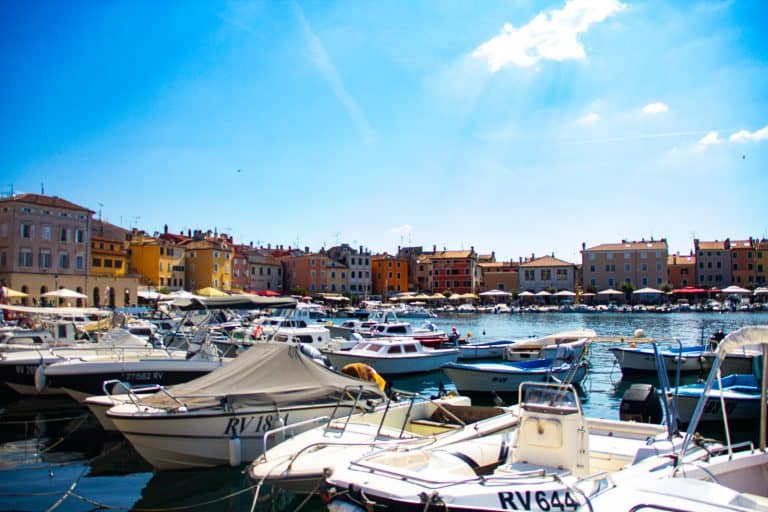
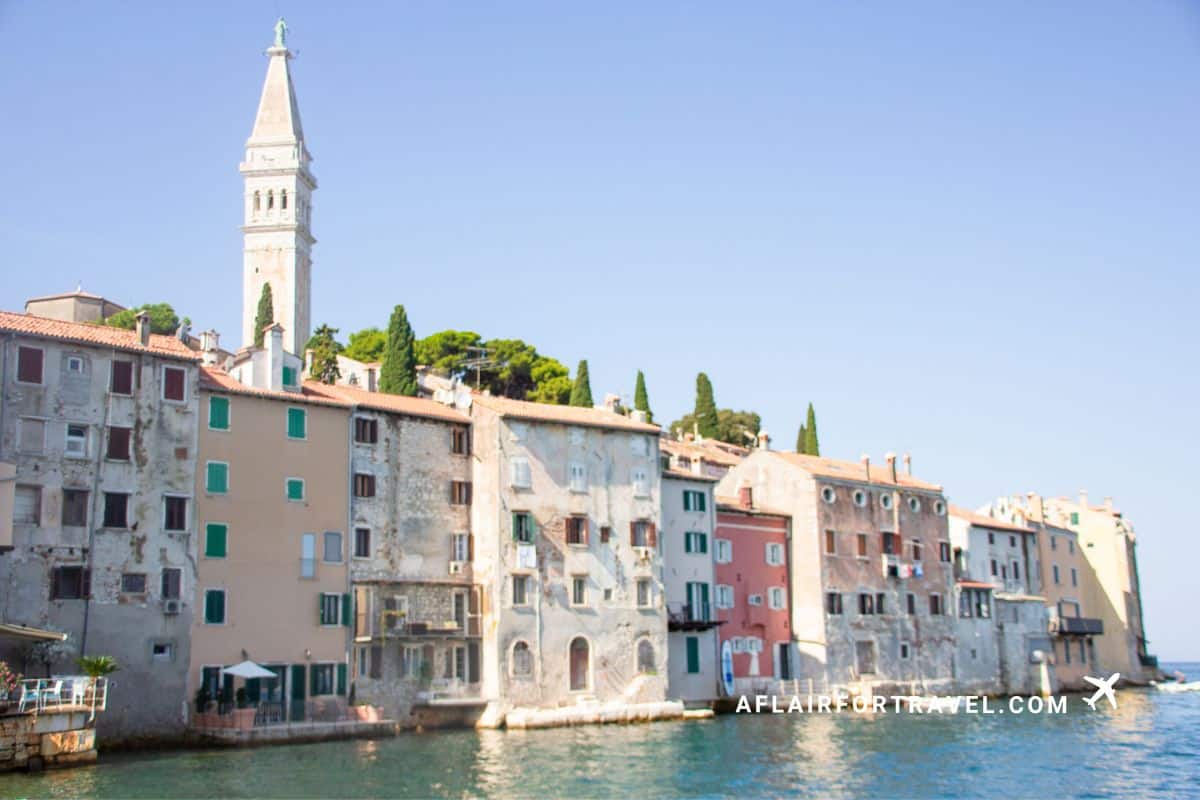
6. Mix Smaller Coastal Towns Into Your Itinerary
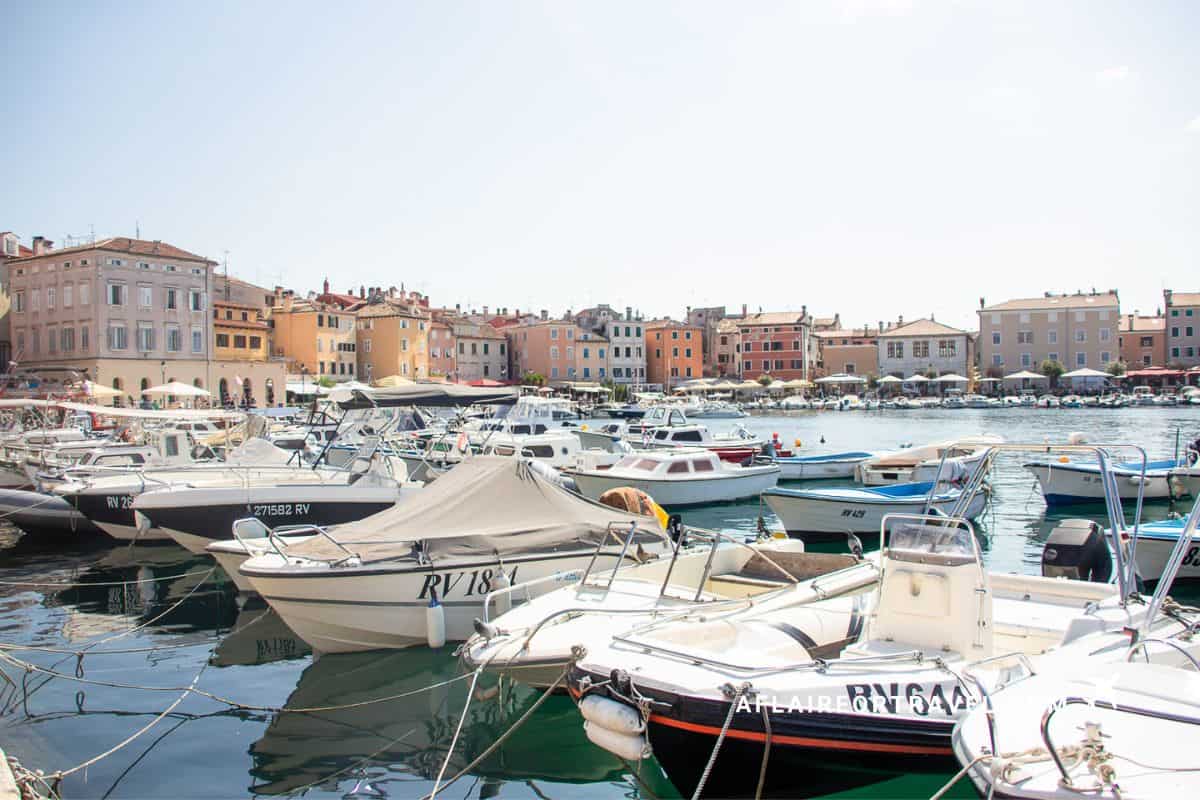
As much as we love places like Dubrovnik and Split, some of our favorite experiences in Croatia have actually come from the staying in smaller seaside towns along the way.
Places like Cavtat, Rovinj, and Novigrad tend to have a more resort-style feel compared to the larger cities due to their incredible waterfront settings.
In a lot of cases, they also have beautiful boutique hotels, easier parking, and better value accommodations.
Also, many of these towns are convenient to the larger cities making them a great alternative if you want to avoid the more crowded and expensive tourist destinations.
That doesn’t mean you should skip the bigger cities though. Honestly, we think Croatia itineraries work best when you combine both types of destinations into one trip.
You can easily spend time exploring the bigger spots like Dubrovnik or Split, then mix in a few smaller coastal towns for a different experience.
If you need some ideas for planning your stay in Croatia, start with these guides:
→ 10 Small Coastal Towns in Croatia You’ll Love
→ Split to Dubrovnik Itinerary: The Perfect 10-Day Coastal Route
7. Remember to Bring Your Passport When Crossing into Neighboring Countries
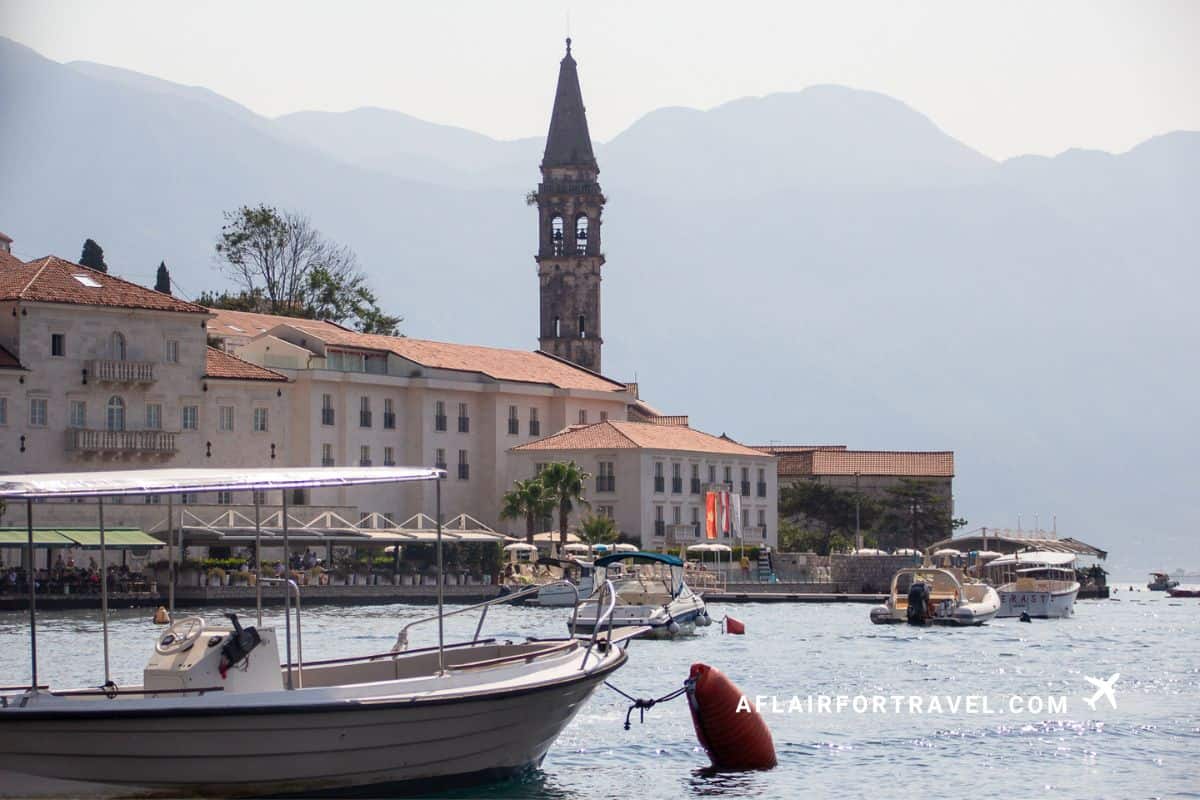
Croatia joined the Schengen Area in January 2023, which means it’s now part of the passport-free travel zone shared by 28 other EU countries.
However, not all of Croatia’s neighboring countries are Schengen countries, including Bosnia & Herzegovina and Montenegro.
This means you’ll be required to stop at the border to present your passport when entering these countries.
Pro Tip:
Even if you’re traveling into another Schengen country, you should still carry your passport with you. We also recommend making a copy of your passport photo page and storing it separately from the original in case your passport gets lost during your trip. Leaving the copy in your hotel safe while you’re out exploring for the day is always a good idea.
8. Choose an Airport That Makes Sense for Your Itinerary
Croatia has several airports, Zagreb, Split, Dubrovnik, and Zadar among them. Which one you fly into matters more than you might think.
Flying into Dubrovnik when you plan to start your trip in Zagreb, for example, will cost you hours of unnecessary travel right out of the gate.
Think about where your itinerary begins and work backwards from there. In most cases, flying into Split or Zagreb and ending in Dubrovnik (or vice versa) makes the most geographic sense and helps you to avoid doubling back.
9. Check When Cruise Ships are in Port
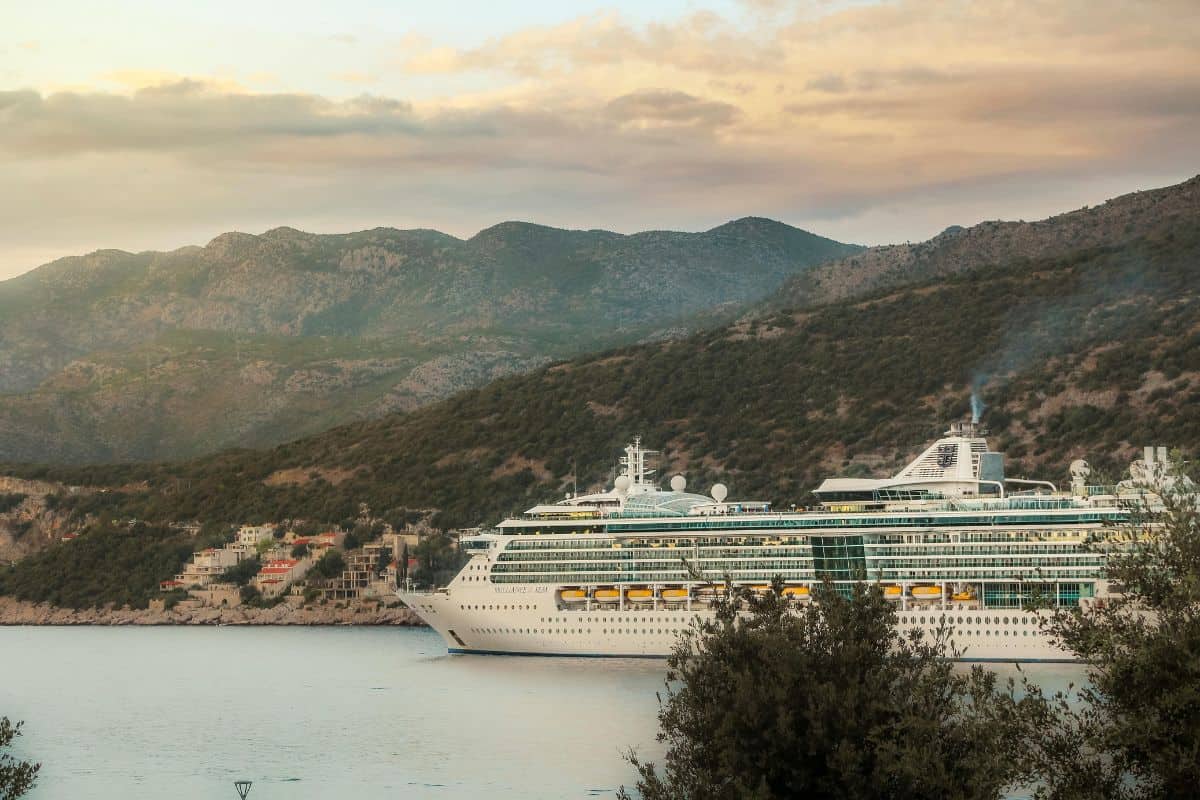
We’ve mentioned this many times in other posts but it’s worth mentioning again.
If you’re visiting Croatia in the summer months, check to see when cruise ships will be in port in places like Dubrovnik, and try to avoid those cities or towns on those days.
Many larger ships tend to stop at Zadar, Split, and Dubrovnik. However, smaller ships often include smaller towns on their itineraries such as Sibenik and Rovinj.
When cruises are in port, many of these places become extremely crowded which can overwhelm services and attractions. You can check port schedules here.
We recommend taking a day trip to another area on these days. Heading to places like the Elafiti Islands are often a much better use of your day when places like Dubrovnik or Split are crowded.
Want to escape the busiest tourist spots? Here are some day trip guides we recommend:
→ Island Day Trips From Dubrovnik Itinerary: Your 5-Day Guide
→ 11 Best Day Trips from Dubrovnik Without a Car
→ 6 Best Islands Near Dubrovnik (Plus Stunning Coastal Spots)
10. Rent a Car for Inland Travel
A car is your best friend for certain parts of Croatia, especially to reach more remote destinations, like the Plitvice Lakes region. A car offers flexibility that other forms of transportation simply can’t match.
We usually rent a car directly from Split Airport or Zagreb Airport before heading inland.
It’s also the best way to explore the charming hilltop towns of Istria or to take a coastal road trip at your own pace.
That said, keep in mind that many of Croatia’s Old Towns, including Rovinj, Split, and Dubrovnik, are pedestrian-only.
Depending on the city or town, parking can be a little difficult, so plan accordingly.
We found that some of the smaller towns like Rovinj, Novigrad, and Trogir, were a bit easier when it came to parking. They each had multiple parking lots available just outside the Old Town areas but they do fill up quickly in the summertime so get there early.
11. Be Sure to Check Ferry Schedules in the Off-Season
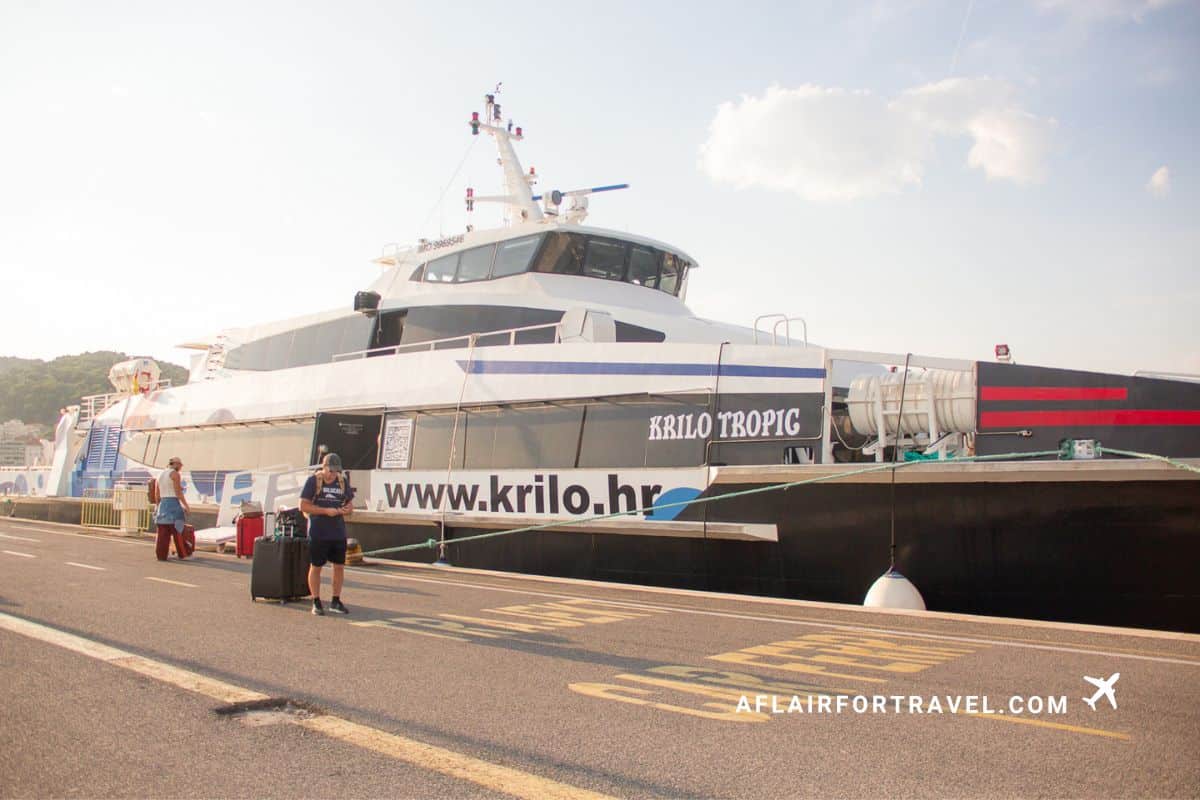
If you’re visiting Croatia in the off-season and are hoping to use ferries to get around, be sure to check the schedules prior to finalizing your itinerary.
Typically, ferries operate on a regular schedule between April and October. Outside these months, they either run on a reduced schedule or don’t operate at all, so it’s worth double checking to avoid having to rearrange your schedule at the last minute.
12. Don’t Try to See the Whole Country in One Visit
One of the best things we did was to shift our thinking from “see Croatia” to “see this part of Croatia really well.”
The country naturally breaks down into distinct regions including the Dalmatian Coast, Istria, the islands, and inland areas like Plitvice and Zagreb, and each one really deserves dedicated time.
Unless you have a month or two of vacation time, which very few people do, trying to hit everything in one trip will make things feel rushed and you’ll probably forget half of what you saw.
Instead, we recommend picking a region or two that you can explore completely and save the rest for next time. There will absolutely be a next time!
Need some itinerary ideas for your Croatia trip? We offer 12 great options in this guide:
→ Is Croatia Worth Visiting for a Week or More? 12 Itinerary Ideas
13. Avoid Driving in the Mountain Region at Night
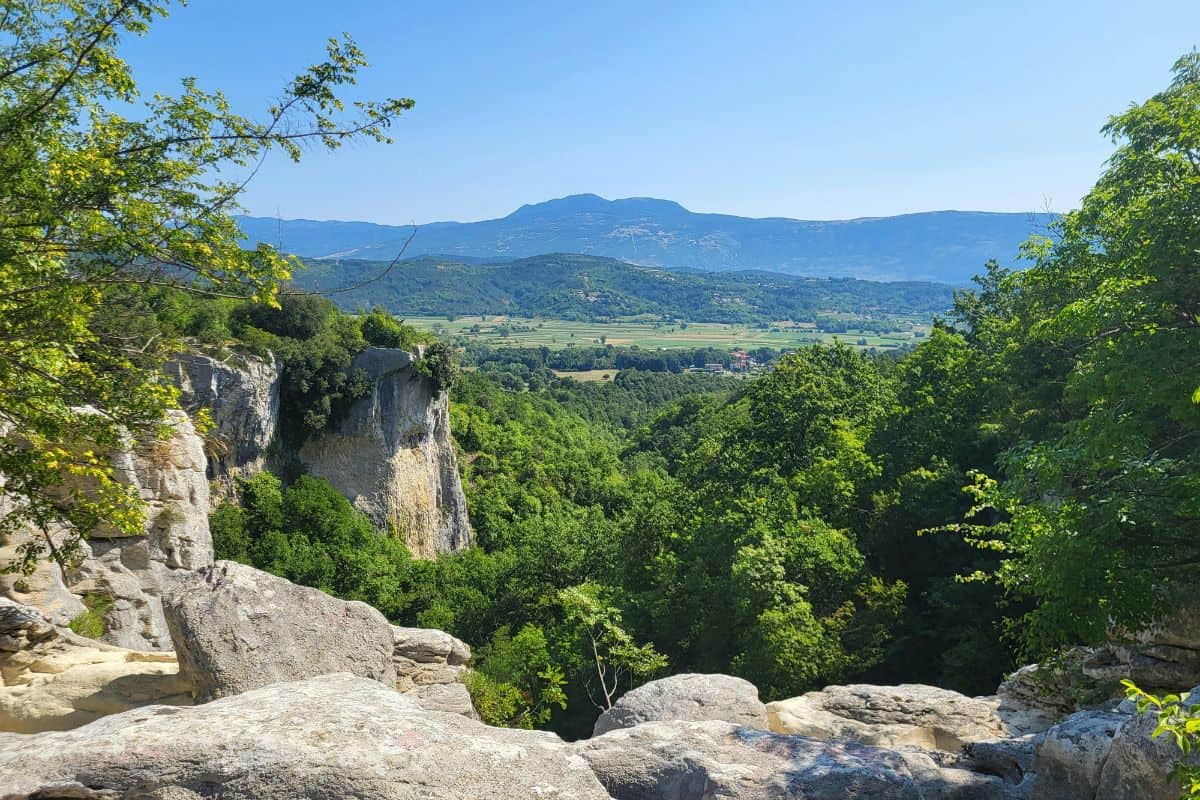
We actually did this which is why we’re advising against it. We didn’t plan to drive through the mountains at night, but we had a late start to our day due to unforeseen circumstances.
The mountain region in Croatia is absolutely stunning and we highly suggest traveling inland if you have the time.
However, if you’re renting a car and plan to visit places like the Plitvice Lakes area, we highly encourage you to drive during the day and not at night for three reasons:
- First, the landscape is so beautiful, it would be a shame to miss it.
- Second, the mountain roads are steep, winding, and narrow in some spots, so navigating them in the dark can be a little unsettling.
- Third, many of these roads don’t have any street lights which makes for a stressful driving experience on its own, but more so when you combine this with the steep, winding, and narrow aspect.
Pro Tip:
If you’re renting a car to drive inland, be sure to fill up your gas tank first. We found gas stations to be few and far between in the mountain region.
14. Don’t Underestimate Distances Between Destinations
Croatia is a little deceiving when you look at it on a map. Because the country is so narrow, it gives the illusion that you can travel anywhere fairly quickly, but that’s actually not the case.
Depending on where you’re going, travel times between destinations can easily stretch to several hours.
Even the popular Split to Dubrovnik route takes at least 3 hours by car, and that’s without stopping. Ferries can take even longer. since they typically stop at other places along the way.
Make sure you have a good sense of the distance between destinations before finalizing your plans.
15. Carry Cash for Tips and Smaller Purchases
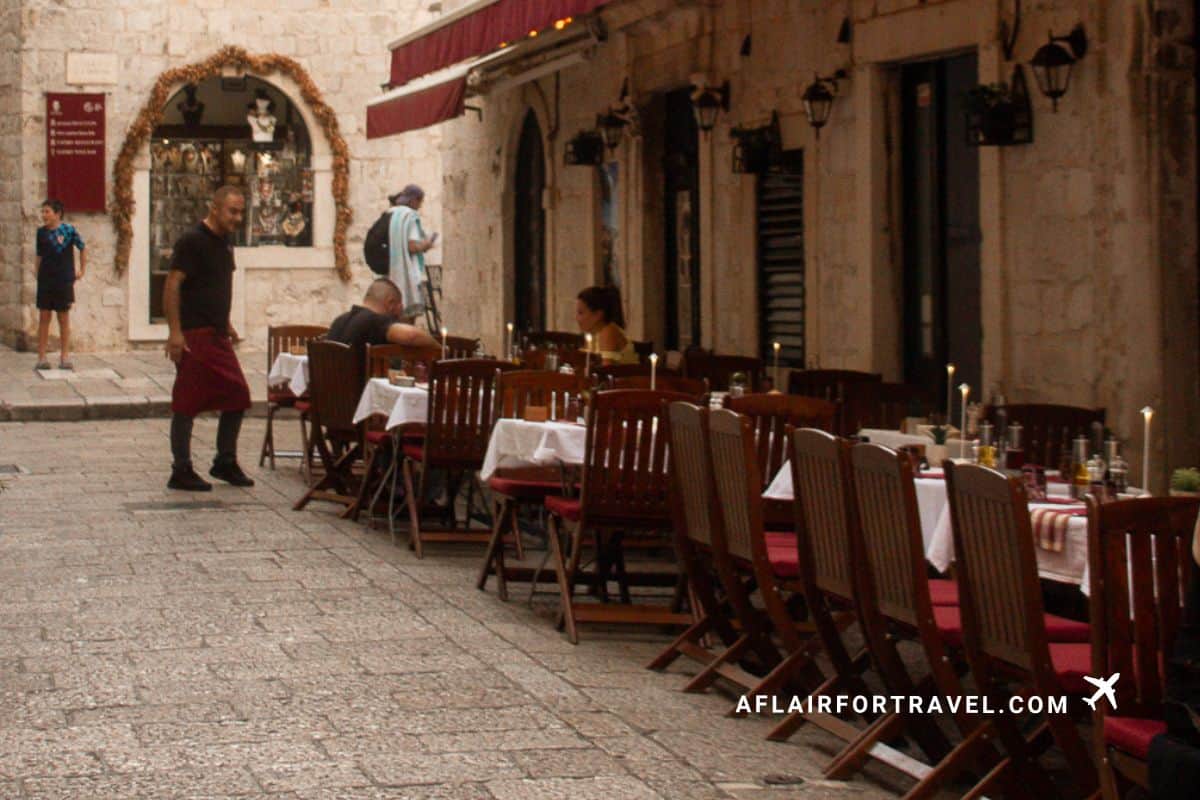
While credit cards are widely accepted throughout Croatia, cash still comes in handy more often than you’d expect.
Smaller towns, local markets, and the occasional café or family-run konoba may not accept cards. Even some gelaterias in Dubrovnik only accept cash.
In addition, many restaurants don’t have a designated spot to leave a tip on a restaurant bill so, in these situations, you’ll want to leave a cash tip.
It’s always smart to have some on hand even if you’re not planning to rely on it heavily.
Learn the best practices for tipping in Croatia for restaurants, tours, and more:
→ A Traveler’s Guide To Tipping In Croatia In 2026
16. Try Not to Fit Too Much Into Your Plans
We’ve definitely fallen into this trap ourselves and, honestly, we understand why so many people do.
A lot of travel advice will tell you not to pack too much into your itinerary, which sounds great in theory. But for people who work full time, including us, and only have a limited number of vacation days, it’s hard not to want to fit in as much as possible while you’re there.
We used to plan trips that way too, trying to squeeze every destination we could into one itinerary.
Eventually though, we realized we enjoyed our trips so much more when we slowed down a little and gave ourselves time to actually experience each place instead of constantly moving on to the next one.
Even if it means cutting a stop or two from your itinerary, having a little breathing room makes the trip feel far less stressful and much more memorable.
We’ve found that a few places done well almost always beats a long list of places you barely had time to enjoy.
17. Don’t Assume the Beaches are Long and Sandy
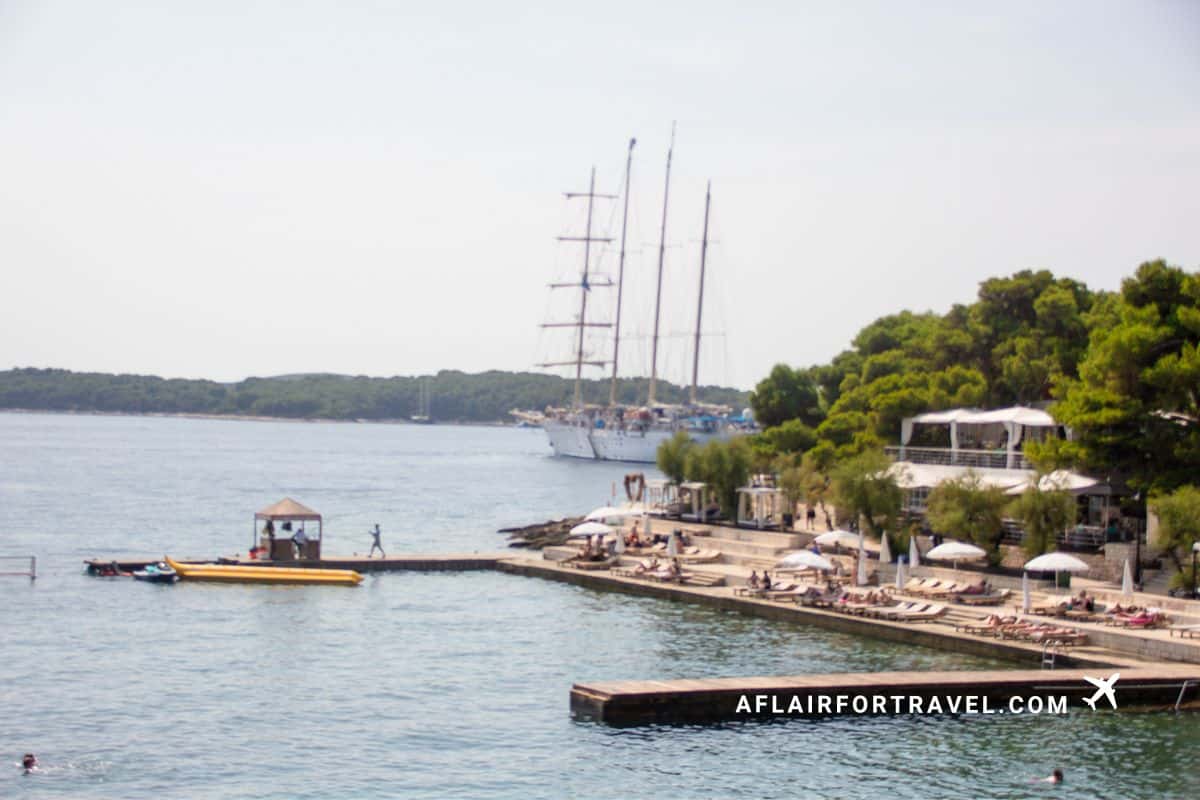
Croatia’s long coastline can sometimes create the impression that you’ll find long stretches of white sand beaches that are perfect for sunrise or sunset walks.
While Croatia does have some of the most spectacular sunsets we’ve ever seen, the reality is that much of the coastline is made up of steep cliffs and rocks.
Even many seafront hotels don’t offer traditional beachfront experiences. It’s more common to find platforms built just above water level with a few lounge chairs.
While there are some exceptions, you’re more likely to find pebble beaches and rocky outcrops as opposed to the full beach experience you might be used to.
18. Visit Outside of Peak Season if Possible
Croatia is amazing in July and August. It’s warm, sunny, and full of activity. It’s also extremely crowded and significantly more expensive across the board.
Accommodation prices spike, popular sites feel overwhelmed, and ferries and restaurants fill up fast.
If your schedule allows any flexibility, shifting your trip to May, June or September will give you almost the same experience with a fraction of the stress.
These months are the sweet spots for visiting Croatia. The weather is still warm and beautiful, the Adriatic is swimmable (maybe a little chilly in May), ferries are running on full schedules, and you’ll avoid the intense crowds and peak-season prices that July and August bring.
We personally love visiting Croatia in September when the weather is still beautiful but the crowds are much lighter and you’re not subjecting yourself to the intense heat.
Don’t plan your trip to Croatia without these guides:
→ Best Time to Visit Croatia: The Ultimate Seasonal Travel Guide
→ Croatia in Spring: Complete Travel Guide for March to May
→ Croatia in Fall: Complete Travel Guide for September to November
19. Be Ready for Long Border Waits in Peak Season
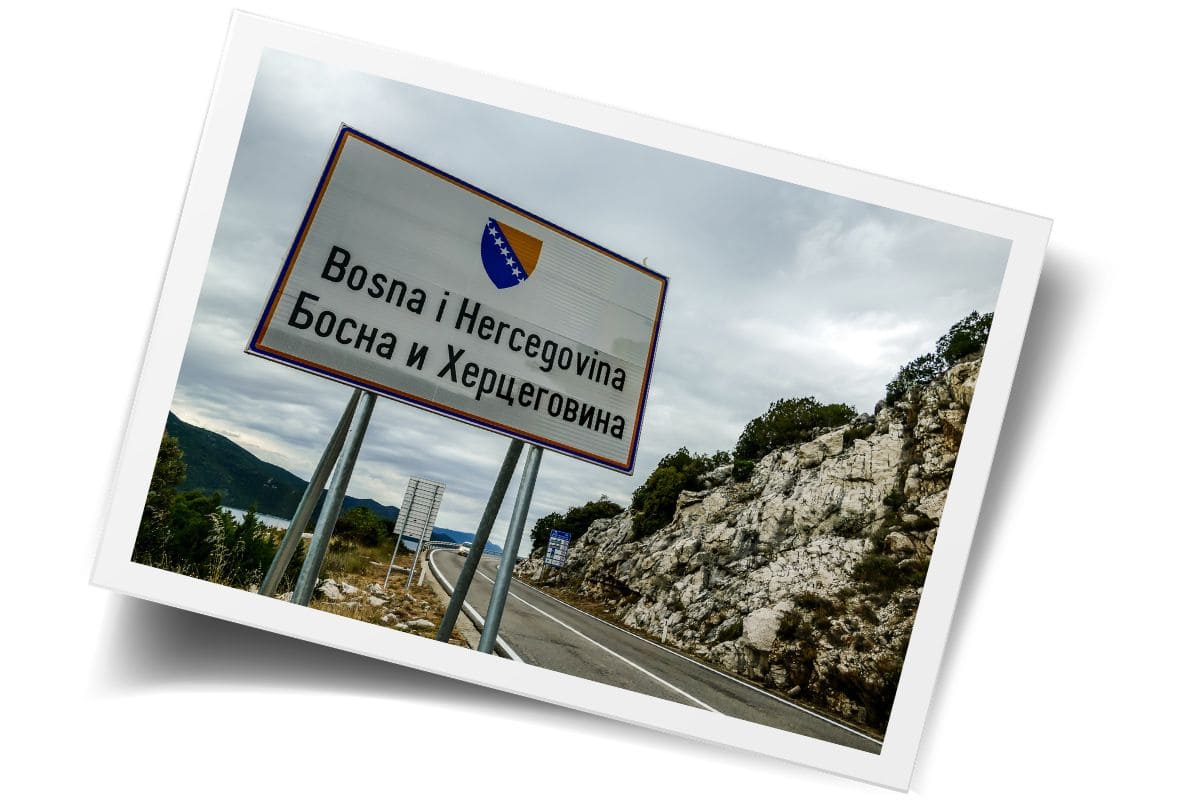
If you plan to visit neighboring countries while in Croatia, keep in mind that the wait at the borders for non-Schengen countries can be brutal in the peak summer months.
We’re not talking about a few minutes or even an hour. We’re talking hours, as in plural.
Here are some tips for crossing borders in Croatia:
- Visit outside the peak summer months of July and August.
- Avoid peak travel hours by crossing early in the morning (around 6:00 am) or later in the evening (after 9:00 pm).
- If possible, avoid traveling during holiday periods
- Steer clear of the major checkpoints and opt for lesser-known ones. You may need to go a little further out of the way but it’ll save you time in the long run.
- Try to travel mid-week if possible and avoid Friday through Sunday crossings.
Looking for more tips for visiting Croatia? Don’t visit without reading our etiquette guide:
→ What Not to Do in Croatia: 12 Etiquette Mistakes to Avoid
Travel Basics for Croatia
Now that we’ve covered some of the core logistics and planning tips, let’s take a quick look at some of the more basic things you should know about Croatia.
→ Currency – Croatia officially adopted the euro on January 1, 2023 which is convenient for anyone that wants to visit neighboring countries, like Slovenia and Montenegro. However, Bosnia and Herzegovina’s official currency is the Convertible Mark. That being said, you’ll find that in most of the tourist-heavy areas the euro is widely accepted.
→ Passports – If you’re a U.S. citizen, you will need a passport to enter Croatia, but a visa isn’t required. If you’re visiting from anywhere else, be sure to check entry requirements for your specific country prior to departing.
→ Electricity – Croatia uses Type C and Type F plugs, which are standard across most of Europe. The voltage is 230V with a frequency of 50Hz, so if you’re coming from places like the US or UK, you’ll need a plug adapter and possibly a voltage converter depending on your devices.
→ Language – The official language of Croatia is Croatian but English is widely spoken especially in the main tourist areas.
→ Internet – Internet access is very good throughout the country although it may be a bit spotty in more remote areas. We never had any issues with the internet and we’ve traveled extensively throughout the country including the islands and mountain region.
Answering Your Questions About Croatia
How many days is ideal for Croatia?
We recommend spending at least 10 days in Croatia to get a good feel for everything the country has to offer.
What is the best month to go to Croatia?
Our favorite time to visit Croatia is in September. It has a great mix of beautiful weather and fewer crowds. Also, hotels, restaurants, and ferries are still open or operating.
Where should I stay in Croatia for the first time?
If you’re visiting Croatia for the first time, we recommend visiting some of the more popular destinations such as Split and Dubrovnik as well as some islands such as Hvar or Korcula.
More Croatia Travel Guides
Planning Guides
- Best Time to Visit Croatia: The Ultimate Seasonal Travel Guide
- Croatia in Winter: Complete Travel Guide for December to February
- Croatia in Spring: Complete Travel Guide for March to May
- Croatia in Summer: Complete Travel Guide for June to August
- Croatia in Fall: Complete Travel Guide for September to November
- A Traveler’s Guide To Tipping In Croatia In 2026
- What Not to Do in Croatia: 12 Etiquette Mistakes to Avoid
Destination Guides
- 21 Things to Know About Dubrovnik for First-Time Visitors
- How Many Days in Dubrovnik is Enough? Ideas for 1 to 5 Days
- Where To Stay In Dubrovnik: 8 Area Guide For Every Traveler
Food & Experiences
- 11 Best Dubrovnik Restaurants with a View
- One Day in Dubrovnik: 5 Curated Itineraries for Every Travel Style
- Walking The Dubrovnik City Walls – A Traveler’s Guide 2026
- 7 Luxury Things to Do in Dubrovnik Plus Affordable Alternatives
- 17 Free Things to Do in Dubrovnik (That Still Feel Luxurious)
- 6 Best Islands Near Dubrovnik (Plus Stunning Coastal Spots)
- Island Day Trips From Dubrovnik Itinerary: Your 5-Day Guide
- Split to Dubrovnik Itinerary: The Perfect 10-Day Coastal Route
- 3-Day Dubrovnik Itinerary: The Perfect Romantic Guide for Couples
Our Final Take: Essential Croatia Travel Tips
So there you have it, all the essential Croatia travel tips and information you should know for planning your trip.
A little information goes a long way towards creating a much more enjoyable trip.
If you have any specific questions about planning your trip to Croatia, feel free to reach out to us.
Talk soon!
Found this helpful? Save it to Pinterest for your Croatia trip planning!