Croatia in Summer: Complete Travel Guide for June to August

Thinking of visiting Croatia in summer? You’ll want to be prepared.
Summer in Croatia is when the country truly comes alive. From perfect beach weather and bustling island nightlife to world-class festivals and buzzing coastal cities, the peak season months of June through August offer the quintessential Croatian experience that draws millions of visitors each year.
Here’s everything you need to know about visiting Croatia in summer.
Plan Your Trip With Our Favorite Resources
– Best accommodation site: Booking.com
– Book day tours here: Viator.com
Visiting Croatia in Summer
Summer in Croatia is an experience unlike any other. Visitors will experience crystal-clear water, sunny days, and a coastline packed with beautiful seaside towns and island vibes.
Whether you’re hopping between islands, swimming in hidden coves, or just relaxing at a seaside café with a cold drink, it’s the kind of place that makes it easy to slow down and enjoy life.
Yes, it can get busy, but there’s a reason people keep coming back. Croatia is completely worth it.
June: The Perfect Balance
June is one of the best months to visit Croatia because it offers the perfect balance of summer energy and manageable crowds. The weather is warm and sunny making it ideal for beach days, island-hopping, and outdoor exploring.
Tourist services are fully open but the peak-season crowds of July and August haven’t fully arrived yet.

Weather
June is the true beginning of the summer season. Along the coast, there’s plenty of sunshine and low humidity. Inland areas will also have warm weather but there can be occasional thunderstorms.
The sea is warm enough for swimming by now and the overall climate is perfect for everything from sightseeing to sailing. June has some of the best weather of the year just before the peak summer heat and crowds arrive.
- Temperatures – Temperatures in June are ideal for all kinds of activities. Average temperatures are around 19°C (66°F) to 27°C (80°F).
- Rainfall – There will be very little rain in June along the coast but chances are higher the more north you go. Averages for the country are 60-80mm (2.36 to 3.15 inches). Inland regions may see more thunderstorms.
- Sunshine Hours – June has around 9-10 hours of sunshine per day.
- Daylight Hours – There are between 15 hours of daylight hours.
- Sea Temperatures – You may see water temperatures around 22°C (71.6°F) in June.
Crowds
June is the start of the busy summer season in Croatia, but it still has a more relaxed experience compared to the peak months of July and August.
Popular places like Dubrovnik, Split, and the islands start to see a noticeable increase in visitors, especially toward the second half of the month, as schools let out and international tourism ramps up.
Beaches, national parks, and ferry routes are busier, but crowds are still manageable, and you can still enjoy many attractions without feeling overwhelmed.
Events and Festivals
June is an amazing time to visit with festivals, concerts, and cultural celebrations happening across the country.
- C’est is d’Best – C’est is d’Best takes place in Zagreb each year and features performances throughout the streets by actors, musicians and various other artists.
- INmusic Festival – The INmusic Festival is a large open-air music festival that takes place in Zagreb each year. It features international performers of rock and other types of music.
- Dubrovnik Music Spring: Dubrovnik Music Spring is a spring concert series performed by the Dubrovnik Symphony Orchestra. Although we list this event in June, there are also scattered performances in April and May. Performances take place at various venues throughout the city including the Rector’s Palace.

Top Travel Tips For Visiting In June
June marks the transition into high season so a bit of planning can help you avoid rising prices and busy hotspots.
What To Pack
- Light and Breathable Clothing – Coastal areas will start to become very hot and dry. You’ll want to pack very light and breathable clothing. You can’t go wrong with linen and cotton.
- Comfortable Walking Shoes – You’ll be doing a lot of walking so you’ll definitely want to choose comfort over style. You won’t regret it.
- Swimwear – You can’t visit Croatia in June without bringing a swimsuit, preferably multiple ones.
- Sunglasses & Sunscreen – We can’t suggest these enough.
- Water Shoes and Sandals – Croatia’s rocky coastline means you’ll want some water shoes and sandals to protect your feet.
- Light Jacket or Sweater – Some areas, especially inland, can still get a bit chilly in the evening. You’ll want to bring something just in case.
Where To Go
- Zagreb, Split & Dubrovnik – The larger cities offer cultural activities such as museums and festivals.
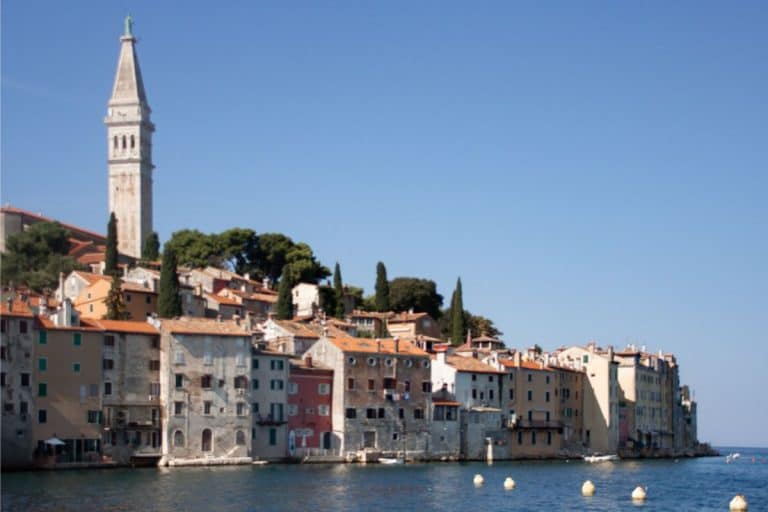
- Istria – We highly recommend visiting Istria. There’s so much to see and do. Whether you’re strolling through romantic seaside towns such as Rovinj or hunting for truffles further inland, you won’t regret a visit to Istria.
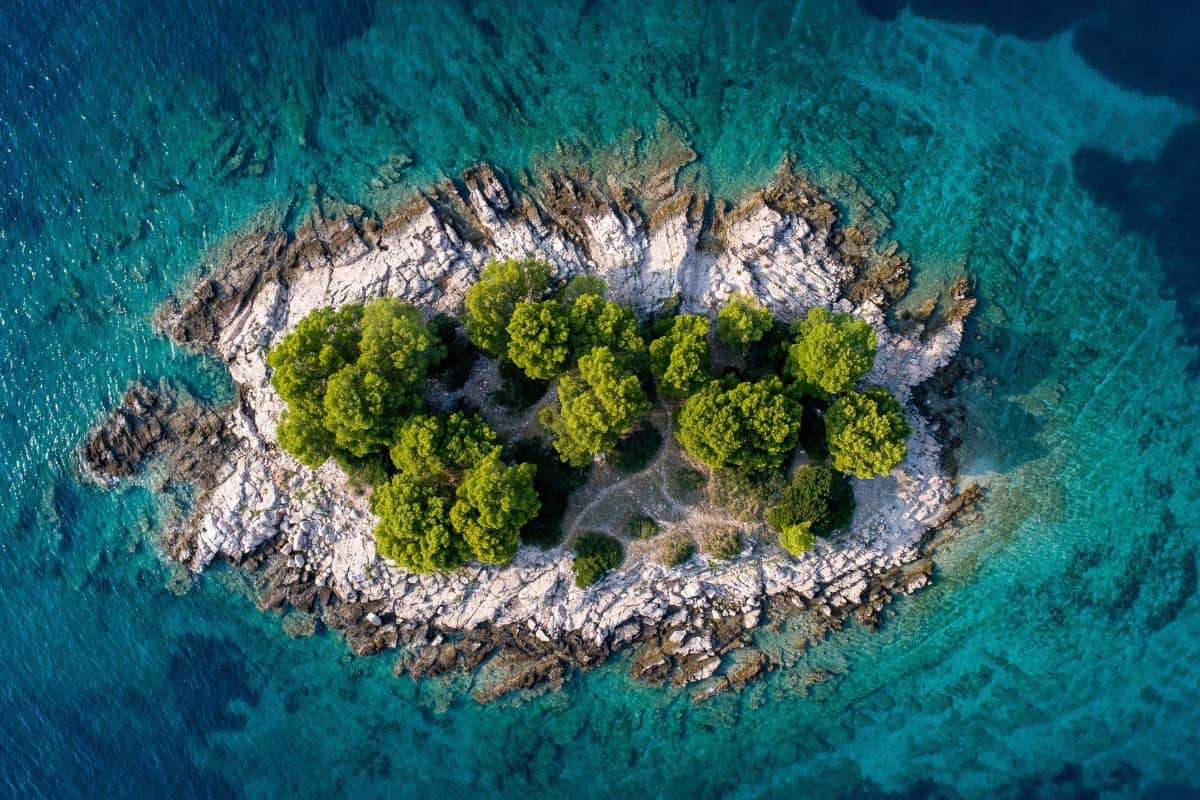
- Hvar, Korčula, and other islands – Enjoy sailing or relaxing by the turquoise waters of the islands. At night, there’s buzzing nightlife in places like Hvar Town. It’s worth visiting the islands just to people-watch and to admire the mega yachts, each one bigger than the next.
- Plitvice Lakes & Krka National Parks – The national parks will be fully operational in June so it’s a great time to explore the many hiking and biking trails. If possible, we suggest visiting in the early morning or late afternoon.
Know Before You Go
- Book Hotels in Advance – You’ll definitely want to book reservations for hotels and flights in advance especially if you want to stay at some of the boutique hotels. We stayed in hotels that had a dozen rooms at the most so these properties will book quickly.
- Book Ferries in Advance – Island-hopping is very popular in Croatia so we recommend booking your tickets in advance. We also suggest arriving at the port early for departure. We saw some incredibly long lines when we visited. Ferries are first come/first serve so you don’t want to risk not making it on board.
- Make Restaurant Reservations Early – There are so many restaurants throughout Croatia, especially in the popular tourist spots. However, the more popular restaurants tend to book up quickly. If you have your heart set on dining at a specific one, try to make your reservations before you arrive.
July: Peak Season Intensity
July is the start of peak season and not just for tourists. It also has peak temperatures and peak pricing.
However, it’s the perfect time for island-hopping, swimming, and enjoying outdoor festivals, beach parties, and cultural events. Popular destinations like Dubrovnik, Split, Hvar, and Plitvice Lakes are at their busiest, with bustling streets and full ferries, so expect crowds and higher prices.

Weather
July is one of the hottest and sunniest months of the year in Croatia so it’s perfect for beach days and outdoor activities.
Along the coast, you’ll enjoy warm evenings and very little rain. The heat can be intense, especially in the afternoon.
However, clear skies and long daylight hours make July the perfect time to visit coastal towns and the islands.
- Temperatures -July brings the best beach weather with average temperatures of 23°C (73°F) to 30°C (86°F).
- Rainfall – Very little rain falls at this time of year. The average for the country is 5mm (.197 inches).
- Sunshine Hours -Croatia will see about 10-12 hours of sunshine each day.
- Daylight Hours – There are around 15 daylight hours in July.
- Sea Temperatures – The water along the coast has warmed up quiet a bit, averaging around 24°C (75°F).
Crowds
July is one of the busiest months in Croatia. Popular destinations like Dubrovnik, Split, Hvar, and Plitvice Lakes see large crowds, especially in the late morning and afternoons when cruise ship visitors and day-trippers flood historic centers and attractions.
Beaches, ferries, and national parks can get very crowded, and restaurant reservations or tour bookings are often necessary.
Despite the crowds, the energy and festive atmosphere make July a great time to visit. You’ll just need to be prepared for lines, higher prices, and a bit less personal space at top spots.
Events and Festivals
July brings Croatia into full festival mode and there’s something for every taste whether you’re looking for beach parties or refined cultural performances.
- Dubrovnik Summer Festival – The Dubrovnik Summer Festival runs from mid-July to late August and features various theater, music, and dance performances within Dubrovnik’s historic city walls.
- Split Summer Festival – The Split Summer Festival takes place from mid-July to mid-August. It includes a program of theater, music, and dance performances. Many have a Roman theme which pays homage to the city’s history.
- Pula Film Festival – The Pula Film Festival features films from around the world as well as concerts and other events.
- Ultra Europe – Ultra Europe is an event that takes place in Split over a 3-day period. It’s a large electronic music festival that attracts visitors from around the world.

Top Travel Tips For Visiting In July
Visiting Croatia in July means you need to be committed to experiencing what summer means here. It’s one of the most popular months to visit, so crowds and prices will be high.
That being said, it’s a great time to visit to experience the energy that attracts so many people but it’s also important to plan ahead to make the most of your trip.
What To Pack
- Light Clothing – Temperatures are at their peak in July so you’ll want very light clothing. Sundresses, shorts and tank tops are ideal.
- Comfortable Shoes – Walking is the norm in Croatia so you’ll need a reliable, sturdy and comfortable pair of shoes.
- Swimwear – You’ll want to bring multiple bathing suits if you’re planning on beach days or water activities.
- Sunglasses & Sunscreen – Sunscreen, sunscreen, sunscreen and sunglasses. Enough said.
- Water Shoes and Sandals – You’ll need some good sandals and water shoes to protect your feet against the rocky shoreline.
- Light Jacket or Sweater – It may sound silly to bring a light jacket or sweater but it’s a good idea to have something in case it gets a little chilly at night especially if you’re further inland.
Where To Go
- Zagreb, Split & Dubrovnik – There are still plenty of festivals that take place around the country in August so the cities are a great place to visit.
- Istria – Istria has so much to offer, it can really be a destination in itself. The beautiful seaside towns, vineyards and amazing food are just some of the reasons to visit.
- Hvar, Korčula, and other islands – The islands really start to heat up in July, both with temperatures and tourists. Restaurants and harbors are both packed with tourists and their boats but you’ll get the true island experience in July.
- Plitvice Lakes & Krka National Parks – July is a perfect time for outdoor activities so visiting the many national parks including Plitvice Lakes and Krka are highly recommended.
Know Before You Go
- Book Everything Early – July is the height of the tourist season so you’ll want to book flights, accommodations, tours and restaurant reservations as far in advance as possible. Some fill up months in advance.
- Check Cruise Ship Schedules – Try to avoid cities such as Dubrovnik on cruise ship days. The streets and attractions can become very congested making it difficult to navigate the narrow streets. Check cruise ship schedules online before you go. On the days they’re scheduled to be in port, we recommend traveling inland or to other seaside towns to avoid them.
- Book Car Rentals For The Islands Early – Many people visit the islands as a day trip and rent cars to explore so book yours early so you don’t miss out!
- Arrive Early To Ferries – Ferries are a popular mode of transportation in Croatia. This means long lines to get on especially for the popular routes. We suggest arriving at the port at least an hour before to guarantee you’ll make it on board.
August: Summer at Its Peak
August is still the height of summer in Croatia. It’s the busiest month for both international tourists and local vacationers, especially along the Adriatic coast and on popular islands like Hvar, Brač, and Korčula.
Beaches and towns are packed and ferries run frequently to accommodate the influx of travelers. While the energy is high, so are the crowds and prices.
If you don’t mind the hustle and bustle, August is a great time to experience Croatia in full summer swing.

Weather
- Temperatures – Expect daily highs between 25°C (77°F) to 30°C (86°F), especially along the coast.
- Rainfall – You’ll still see very little rainfall in August, averaging just 40mm (1.57 inches) for the month.
- Sunshine Hours – August usually has about 10-12 sunshine hours per day.
- Daylight Hours – There are around 14.5 hours of daylight this month.
- Sea Temperature – Very pleasant, around 24–26°C (75–79°F) — perfect for swimming.
Crowds
Crowds are at their highest especially along the coast and on the islands. Many locals take their summer holidays in August which adds to the volume of visitors in coastal areas.
Ferries, buses, and accommodations often book up well in advance, and prices tend to reflect the high demand. While the lively atmosphere can be part of the charm, travelers looking for a more relaxed experience may want to plan carefully or explore lesser-known spots off the beaten track.
Events and Festivals
August is one of the most event-filled months in Croatia. From music festivals to open-air parties, There’s a diverse calendar of events that showcase both Croatia’s deep cultural roots and its modern festival scene.
- National Thanksgiving Day – National Thanksgiving Day takes place on August 5th. There can be closures throughout the country so be sure to check operating hours for anywhere you plan to visit.
- Assumption Day – Assumption Day is on August 15th. You’ll also want to check operating hours for closures on this day.
- Split Summer Festival – The Split Summer Festival continues into mid-August with various performances throughout the city
- Dubrovnik Summer Festival – The Dubrovnik Summer Festival also continues throughout August inside Old Town’s city walls.

Top Tips For Visiting In August
August in Croatia means long, hot days, warm sea temperatures, and a full calendar of festivals and events. However, August is also peak tourist season, which means higher prices, crowded attractions, and the need for advance planning.
What To Pack
- Light Clothing – Temperatures remain hot in August so you should avoid clothing that’s too heavy. Linen clothing, shorts, and sundresses are ideal.
- Comfortable Shoes – if you’re planning on doing a lot of walking, we suggest leaving your flip flops in your hotel room. You’ll want something more sturdy and comfortable.
- Swimwear – Bring multiple swimsuits with you if you plan to hit the beaches.
- Sunglasses & Sunscreen – You’ll need lots and lots of sunscreen and don’t forget your sunglasses.
- Water Shoes and Sandals – Sandals and water shoes are a must to protect your feet against the rocks and pebbles along the shoreline.
- Light Jacket or Sweater – You may not need it, but it might be a good idea to bring a jacket or sweater for cooler mornings or evenings.
Where To Go
- Zagreb, Split & Dubrovnik – Festivals continue throughout August so it’s a festive time to visit the cities.
- Istria – Istria is a gem of a destination for pretty much anyone. The coastal towns are known for amazing restaurants and spectacular sunsets. Further inland, there are hilltop towns waiting to be explored.
- Hvar, Korčula, and other islands – It’s hard to visit Croatia in August without feeling the pull of the islands.
- Plitvice Lakes & Krka National Parks – August was made for outdoor activities. Whether you’re into hiking, photography or just enjoying nature, the national parks are a must.
Know Before You Go
- Book In Advance – You’ll want to book everything in advance including tours, hotels, restaurants and ferries.
- Travel Off The Beaten Path – Many of the popular destinations will be packed in August. Head for lesser known islands like Vis or Mljet, or inland towns like Varaždin or Motovun.
- Visit Attractions Early or Late – There may still be a lot of people early in the morning or later in the afternoon but you’ll probably be able to avoid the crowds of people that arrive on tour buses or from cruise ships.
- Consider Traffic – This is especially important when crossing the borders into neighboring countries such as Montenegro. It can take a couple of hours to cross if you’re traveling at peak hours. Try to time your crossing at less busy times of the day such as early in the morning.
Why Summer is Peak Season
Croatia is a popular summer destination for many reasons including ideal weather, its beautiful coastline and beaches, high accessibility and cruise and yacht tourism. Here’s a quick overview of the why Croatia is so popular in the summertime.

Beach Paradise
- Perfect swimming conditions with warm, clear waters
- Full range of water sports and activities
- Beach clubs and seaside dining at their finest
- Island-hopping with maximum ferry frequency
Cultural Festivals
- World-class music festivals and cultural events
- Open-air concerts in historic venues
- Traditional celebrations and local festivals
- Vibrant nightlife scene, especially on islands
Ultimate Island Experience
- All accommodations and restaurants fully operational
- Buzzing harbors filled with yachts and boats
- Peak sailing conditions
- Authentic Mediterranean summer atmosphere
Outdoor Adventures
- Perfect hiking weather in national parks
- Extended daylight hours for sightseeing
- Ideal conditions for photography
- Full access to all outdoor activities
Managing Peak Season
While visiting Croatia in the summer can be an amazing experience, it does require strategic and early planning. This is especially true if there are specific hotels or restaurants you want to book.
Many hotels that are located in the Old Towns are boutique properties so they don’t have many rooms.
For restaurants, while there are numerous options, especially in the top tourist destinations, the more popular ones book up well in advance so it’s worth making your reservations as early as possible.
With this in mind, there are some things you can do in advance to help avoid disappointment. Here are some tips for visiting Croatia during the peak tourist season.
Booking Strategy
- Reserve accommodations 3-6 months in advance
- Book popular restaurants before arrival
- Purchase ferry tickets online when possible
- Consider travel insurance for weather-related issues
Crowd Management
- Visit popular attractions early morning or late afternoon
- Explore lesser-known destinations between famous stops
- Check cruise ship schedules to avoid port day crowds
- Consider staying outside city centers and commuting in
Budget Planning
- Expect 50-100% higher prices than off-season
- Factor in advance booking fees
- Budget for premium experiences during peak demand
- Look for accommodation deals slightly outside main tourist zones
Not Sure if Croatia in the Summer is the Right for You?
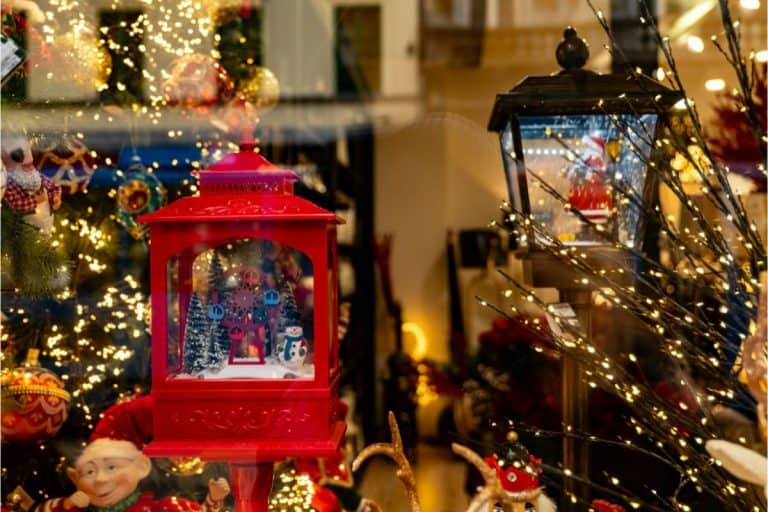
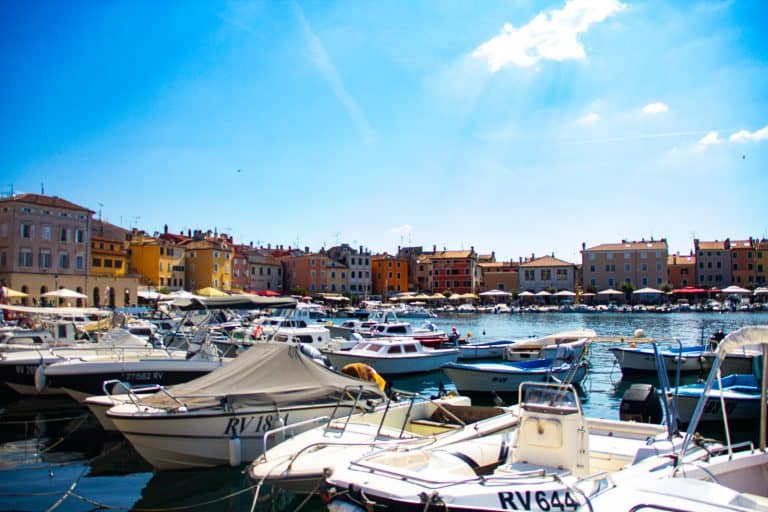
Summer isn’t the only incredible time to visit Croatia. Christmas markets, fall foliage and fewer crowds are just some of the advantages to exploring Croatia at other times of the year.
If you’re still trying to figure out which season is right for you, check out these posts!


FAQs
Need some additional insight regarding Croatia in the summertime? Take a quick look at our answers to some common questions.
Is Croatia nice in the summer?
Croatia is beautiful in summer. With its turquoise waters, beautiful islands and lively seaside towns, it’s an ideal summer getaway.
Is Croatia too crowded in July?
Croatia can get crowded in July if you’re visiting the more popular tourist destinations. However, it’s a great time to explore off-the-beaten track to lesser known towns and regions.
Is Croatia expensive in summer?
Croatia can be more expensive in the summer compared to other times of year especially for accommodations and flights.
In a Nutshell: Croatia in Summer
Croatia in summer will give you the full Mediterranean experience, from crystal-clear waters and vibrant festivals to bustling markets and unforgettable sunsets.
That said, you do want to plan your trip well in advance in order to guarantee yourself a choice of accommodations, tours and restaurants.
While crowds and prices peak during these months, the energy, perfect weather, and access to everything Croatia has to offer make summer an incredible time to visit.
More Croatia Travel Guides
- 11 Best Day Trips From Dubrovnik Without a Car
- 11 Best Dubrovnik Restaurants with a View
- One Day in Dubrovnik: 5 Curated Itineraries for Every Travel Style
- Walking The Dubrovnik City Walls – A Traveler’s Guide 2025
- 7 Luxury Things to Do in Dubrovnik Plus Affordable Alternatives
- 17 Free Things to Do in Dubrovnik (That Still Feel Luxurious)
- Where To Stay In Dubrovnik: 8 Area Guide For Every Traveler
- A Traveler’s Guide To Tipping In Croatia In 2026
- Best Time to Visit Croatia: The Ultimate Seasonal Travel Guide
- Croatia in Winter: Complete Travel Guide for December to February
- Croatia in Spring: Complete Travel Guide for March to May
- Croatia in Fall: Complete Travel Guide for September to November
- 6 Best Islands Near Dubrovnik (Plus Stunning Coastal Spots)
- Island Day Trips From Dubrovnik Itinerary: Your 5-Day Guide